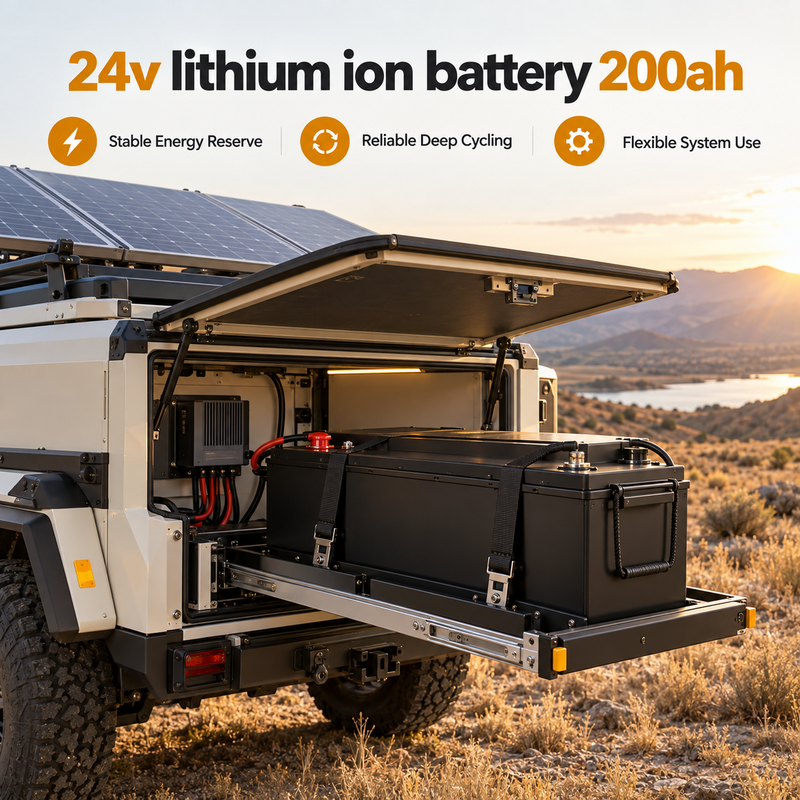
Choosing a 24V Lithium Ion Battery 200Ah for Projects

5,000+ units ready stock, 1–5 days fast global delivery

application/24v-lithium-ion-battery-200ah, application/24v-lithium-ion-battery-200ah, 
Inquiry
Inquiry

24v lithium ion battery 200ah

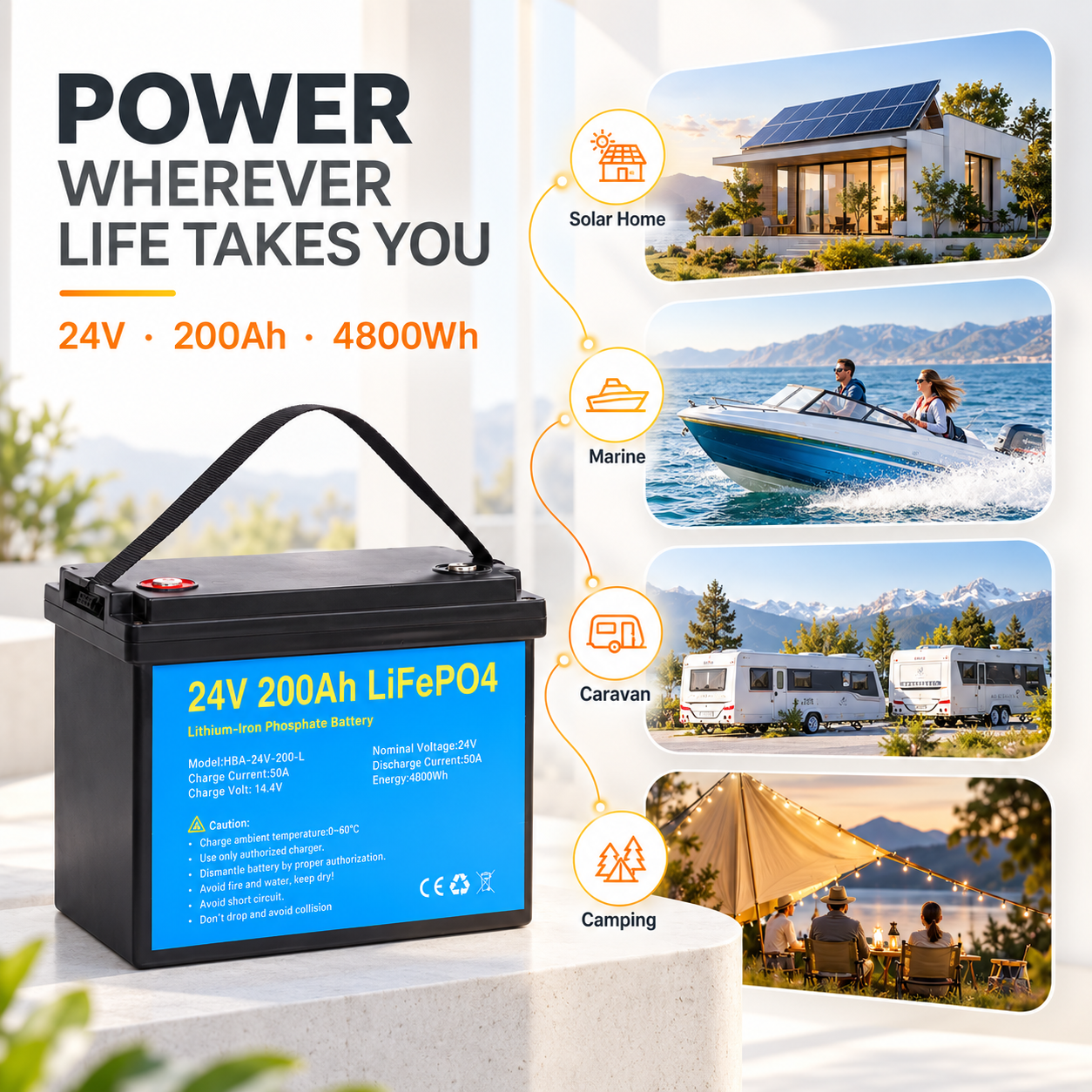
In the realm of energy storage solutions, the 24V lithium ion battery 200Ah stands out for its capacity, reliability, and versatility. Commonly utilized in various applications such as solar systems, RVs, uninterruptible power supplies (UPS), and marine uses, these batteries are increasingly favored by purchasing managers and engineers. This 12v battery inverter article aims to provide a comprehensive understanding of the critical factors that buyers should consider when selecting a 24V lithium ion battery 200Ah, ensuring that they make informed decisions for their specific projects. 

Wholesale buyers should focus

Wholesale buyers should focus

Wholesale buyers should focus on several key specifications when evaluating 24V lithium ion batteries 200Ah.  These include: 

Capacity: The 200Ah capacity indicates that the battery can deliver 200 amps for one hour or 100 amps for two hours, making it suitable for various applications. Voltage: The energy storage systems for solar power nominal voltage of 24V ensures compatibility with most solar inverters and charging systems. Cycle Life: A high cycle life (often exceeding 2000 cycles) ensures longevity, reducing replacement frequency and overall costs. Operating Temperature:  Batteries should function effectively in a range of temperatures — typically between -20°C and 60°C, which is crucial for outdoor applications. BMS (Battery Management System): An independent BMS ensures safety by preventing overcharging, over-discharging, and thermal runaway, which can compromise battery performance. 

Understanding these specifications helps wholesale buyers assess the battery’s suitability for their needs, ensuring they select a product that maximizes efficiency and reliability. 

When evaluating a 24V lithium ion battery 200Ah

When evaluating a 24V lithium ion battery 200Ah, buyers should consider the following factors: 

Quality Certifications: Ensure that the battery complies with international safety standards such as UN38.3 and CE certifications. These certifications indicate that the battery has undergone rigorous testing and meets safety requirements for transportation and use. Manufacturing Quality: Look for suppliers with robust quality control processes. Regular inspections during production and adherence to quality management systems can prevent defects and ensure consistency. Customization Options: Depending on the intended application, the ability to customize battery specifications (such as size, shape, or terminal configuration) can be beneficial.  Suppliers that offer customization can better meet unique project requirements. Warranty and Support: A comprehensive warranty indicates the manufacturer’s confidence in their product. Additionally, responsive customer support can help resolve issues quickly, minimizing downtime. 

By focusing on these aspects, buyers can ensure they are investing in a battery that meets their operational needs and provides long-term reliability. 

The cost of a 24V lithium ion battery 200Ah

The cost of a 24V lithium ion battery 200Ah can vary significantly based on several factors: 

Volume Discounts: Bulk purchases often come with discounts, making it cost-effective for wholesale buyers.  It’s advisable to inquire about minimum order quantities (MOQ) to maximize savings. Material and Technology: The type of lithium technology (such as LiFePO4) used impacts both performance and cost.  While LiFePO4 batteries may have a higher upfront cost, their longer lifespan and thermal stability can result in lower total cost of ownership. Transportation Costs: Shipping logistics can affect overall cost, especially for international orders. Understanding the supplier's shipping practices and associated costs can inform budgeting. Market Conditions: Fluctuations in raw material prices can affect battery pricing. Staying informed about market trends can help buyers make timely purchasing decisions. 

By considering these factors, buyers can better navigate the cost implications of their battery purchases. 

When assessing the 24V lithium ion battery 200Ah

When assessing the 24V lithium ion battery 200Ah, it’s important to compare it with other battery technologies, such as lead-acid, nickel-cadmium, and other lithium variants. Here are some comparisons: 

Weight and Size: Lithium ion batteries are significantly lighter and more compact than lead-acid batteries. This is an essential consideration for applications where space and weight are critical, such as in RVs and marine environments.Cycle Life: Lithium ion batteries generally offer a much longer cycle life compared to lead-acid batteries. While lead-acid batteries may last 300-500 cycles, lithium ion batteries can exceed 2000 cycles, making them a more economical choice in the long run.Efficiency: Lithium ion batteries have higher charge and discharge efficiencies, often exceeding 90%. In contrast, lead-acid batteries typically operate at efficiencies around 70-80%. This means that lithium ion batteries can deliver more usable energy for the same amount of input.Maintenance: Lithium ion batteries require less maintenance than lead-acid batteries, which need regular watering and equalization charges. This feature is particularly advantageous for users seeking a low-maintenance energy solution. 

Understanding these differences can aid buyers in determining the most suitable battery technology for their specific applications, enhancing their overall energy strategy. 

By focusing on these critical areas, professionals can make informed decisions regarding their investments in 24V lithium ion batteries 200Ah, ensuring they meet their operational requirements while maximizing value. 

When selecting a 24V lithium ion battery 200Ah

When selecting a 24V lithium ion battery 200Ah, buyers must first identify their specific application requirements. For instance, in solar applications, the battery's discharge and recharge cycles are crucial. A deep-cycle lithium battery like the one offered by Shenzhen Yanshuosheng Technology Co., Ltd. is designed to handle frequent cycling without significant capacity loss. Additionally, home energy storage consider the environment where the battery will be used; for marine applications, resistance to corrosion and moisture is essential. 

Another critical aspect is the battery's compatibility with existing systems. Buyers should verify that the battery's voltage, capacity, and discharge rates align with their system specifications. Working with a supplier experienced in the relevant application area can facilitate this process, as they can provide insights into optimal configurations. 

Get a Free Quote

Our representative will contact you soon.
0/1000