Reliable 48 Volt 200 Amp Hour Lithium Batteries

5,000+ units ready stock, 1–5 days fast global delivery

application/48-volt-200-amp-hour-lithium-battery, application/48-volt-200-amp-hour-lithium-battery, 
Inquiry
application/48-volt-200-amp-hour-lithium-battery, application/48-volt-200-amp-hour-lithium-battery, 
Inquiry

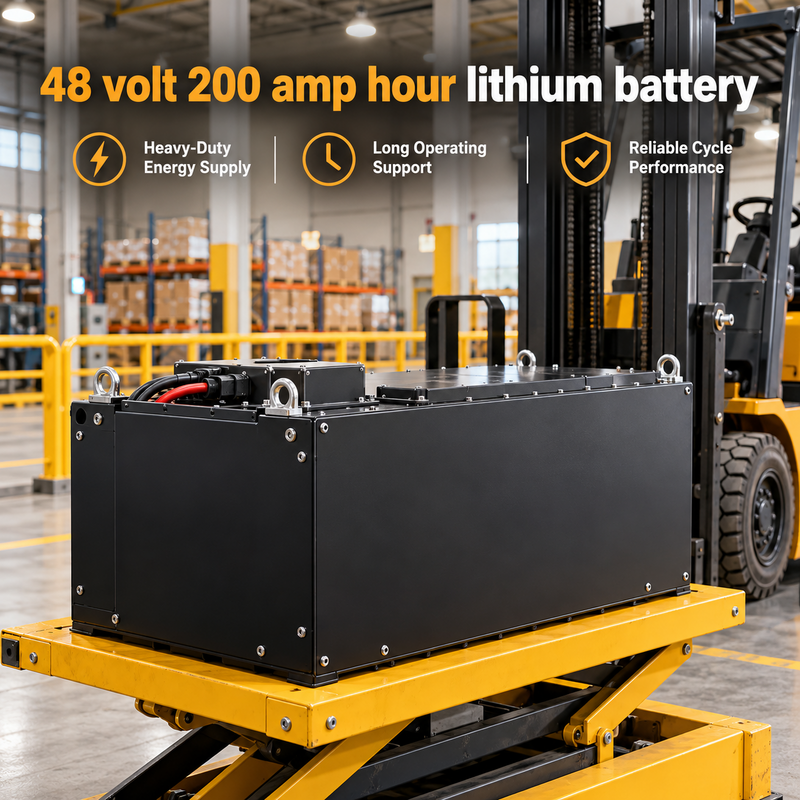
48 volt 200 amp hour lithium battery

When considering energy storage solutions, a 48 volt 200 amp hour lithium battery stands out for its efficiency and versatility. These batteries are essential in various applications, including solar energy systems, recreational vehicles (RVs), uninterruptible power supplies (UPS), and marine usage. As B2B buyers—such as purchasing managers, distributors, and engineers—it’s crucial to understand how to select a reliable supplier, evaluate specifications, and ensure the quality of these batteries to meet your specific operational needs.


Key Specifications of 200 Amp Hour Lithium Batteries Explained

Key Specifications of 200 Amp Hour Lithium Batteries Explained

Understanding the specifications of a 200 amp hour lithium battery is essential for ensuring it meets application requirements. The term "200 amp hour" indicates the battery's capacity to deliver a continuous current of 200 amps for one hour or a lower current for an extended period. This specification is crucial for applications where power demand is high, such as in RVs or marine environments.

Key specifications to consider include:

Voltage: The nominal voltage of 48 volts is ideal for many applications, providing a balance between power output and efficiency.Cycle Life: Look for Energy Storage Batteries that offer a high cycle life, indicating how many charge-discharge cycles the battery can endure before its capacity significantly diminishes. A higher cycle life reduces the total cost of ownership over time.Internal Resistance: This affects performance and efficiency. Lower internal resistance means better energy efficiency and less heat generation during operation.Weight and Size: For mobile applications, weight and dimensions are crucial. Ensure the battery fits your designated space without adding excessive weight.

Understanding these specifications will help you select the right battery for your specific needs and ensure optimal performance.

Wholesale Purchasing Guide for Lithium Battery Solutions

When purchasing lithium batteries wholesale, several factors can affect pricing and lead time. First, clarify the expected application and performance requirements to help the supplier provide an accurate quote. Be prepared to provide details such as:

Product Type and Model: Specify the exact model you require to avoid confusion later in the purchasing process.Quantity: Determine how many units you need, as larger orders often qualify for bulk pricing.Customization Needs: If specific features or designs are necessary, communicate these clearly.Delivery Destination: Shipping costs can vary significantly based on the destination, so include this information when requesting quotes.

Additionally, to facilitate a smooth purchasing process, establish a timeline for delivery and inquire about lead times upfront. This can help you align your project schedules with your battery supply.

Evaluating the Quality of 48 Volt Lithium Battery Systems

Quality is paramount when investing in 48 volt lithium battery systems. To evaluate quality effectively, consider several key aspects:

Certifications: Verify that the batteries comply with relevant safety and performance standards. Certifications such as UN38.3 and CE not only ensure safety but also enhance reliability.Testing Procedures: Inquire about the manufacturer's testing protocols. solar power batteries for home should undergo rigorous performance tests to assess capacity, cycle life, and safety under various conditions.Warranty and Support: A reputable supplier will offer a solid warranty and customer support. This reflects their confidence in the product's quality and provides recourse in case of defects.User Reviews and Case Studies: Seek testimonials or case studies from other businesses. This can provide insights into the battery's real-world performance and reliability.

By focusing on these quality indicators, you can make informed purchasing decisions that align with your operational requirements.

Solutions to Common Problems with Lithium Battery Performance

Despite their many advantages, lithium batteries can encounter performance issues. Understanding common problems and their solutions can help mitigate risks:

Overcharging: This can significantly reduce battery life. Implement a reliable battery management system (BMS) to monitor charging cycles and prevent overcharging.Temperature Sensitivity: Lithium batteries can be sensitive to extreme temperatures. Ensure they are used within specified temperature ranges to maintain performance and longevity. Consider thermal management solutions for applications in harsh environments.Self-Discharge Rate: While lithium batteries generally have a lower self-discharge rate than lead-acid home battery inverter price, it's essential to monitor this, especially in backup applications. Regular maintenance checks can help identify any issues early.Compatibility: Ensure that the battery is compatible with your existing systems. Misalignment in voltage or capacity can lead to inefficiencies and potential damage.

By proactively addressing these common issues, you can enhance the reliability and effectiveness of your 48 volt 200 amp hour lithium battery systems in various applications.

How to Choose a Reliable Supplier for 48 Volt Lithium Batteries

Selecting the right supplier for a 48 volt lithium battery involves several critical considerations. First, look for established manufacturers like Shenzhen Yanshuosheng Technology Co., Ltd., which specializes in LiFePO4 energy storage systems. Ensure they hold relevant certifications such as UN38.3 and CE, indicating compliance with international safety standards.

Next, assess their production capabilities. A reliable supplier should have advanced manufacturing equipment and rigorous quality control processes. Inquire about their production capacity and minimum order quantities (MOQ) to ensure they can meet your demand without compromising quality. Additionally, check their experience in exporting to your region, as this can affect shipping times and costs.

Lastly, consider the supplier's customization options. Many applications may require tailored solutions, so a supplier that can accommodate specific requests, such as battery management systems (BMS) or packaging methods, will be more beneficial in the long run.

Get a Free Quote

Our representative will contact you soon.
0/1000