Understanding 48V 200Ah Lithium Battery Pricing

5,000+ units ready stock, 1–5 days fast global delivery

application/48v-200ah-lithium-battery-price, application/48v-200ah-lithium-battery-price, 
Inquiry
Inquiry

48v 200ah lithium battery price

In the realm of energy storage solutions, 48V 200Ah lithium batteries have gained significant popularity, especially for their efficiency and reliability in various applications. Understanding the pricing factors of these batteries is crucial for B2B buyers, including purchasing managers and engineers. This article addresses common concerns about battery specifications, supplier selection, application suitability, and potential issues, ultimately guiding you toward informed purchasing decisions regarding the lithium battery inverter price.

Key Specifications to Evaluate in 48V 200Ah Lithium Batteries

Key Specifications to Evaluate in 48V 200Ah Lithium Batteries

When assessing 48V 200Ah lithium batteries, several key specifications should be closely examined: 

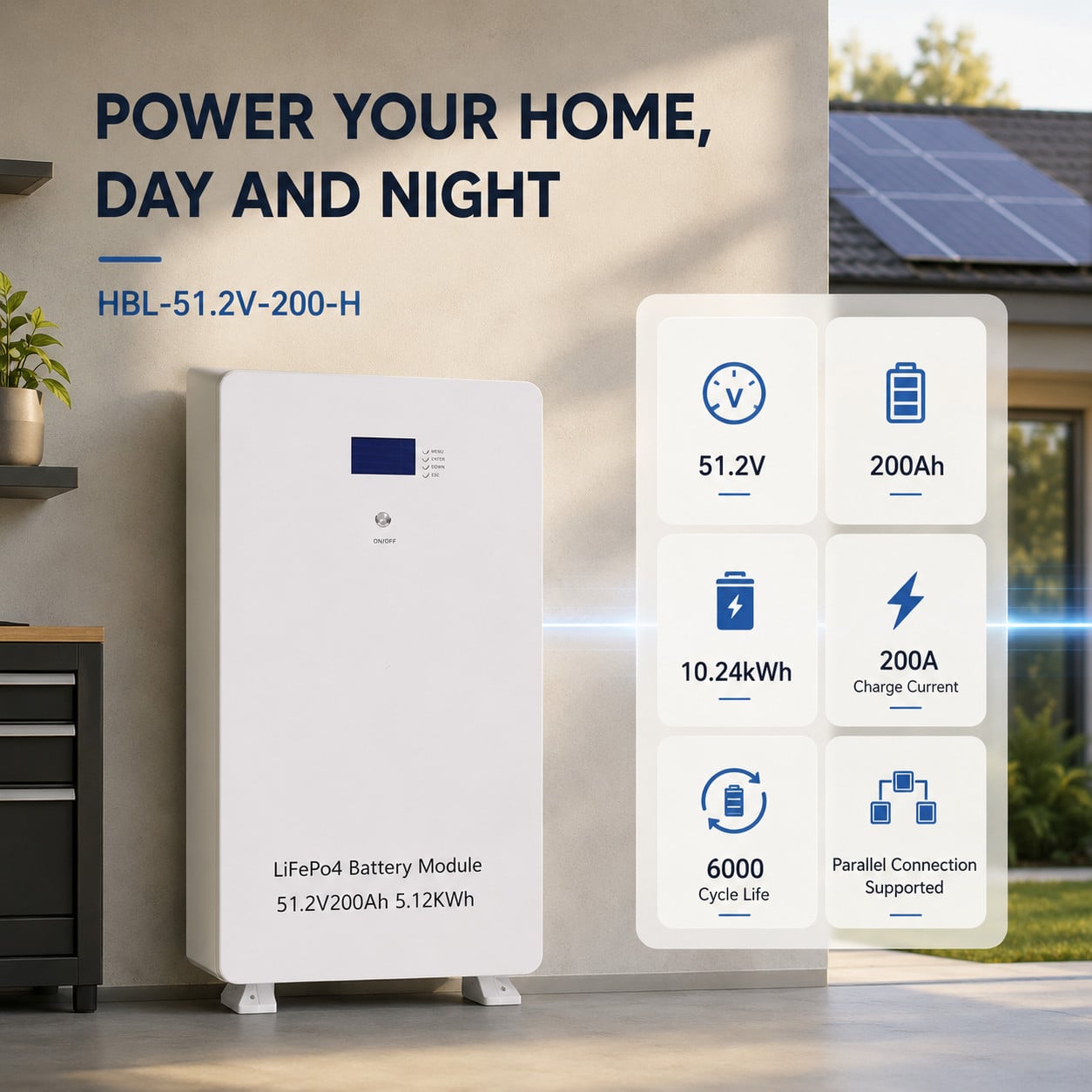
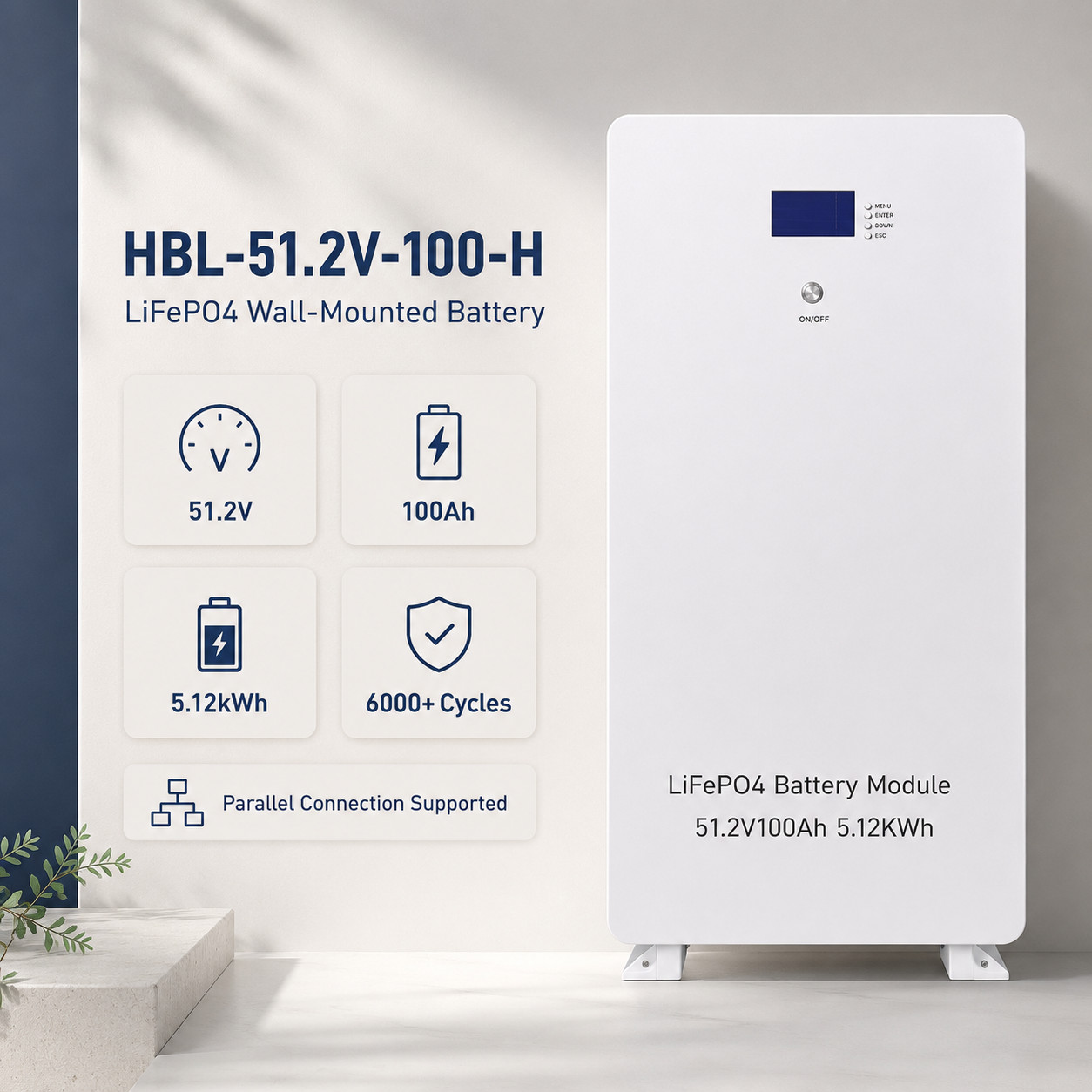
Battery Chemistry: Lithium Iron Phosphate (LiFePO4) batteries are favored for their thermal stability and safety compared to other lithium chemistries. They offer a longer cycle life, making them ideal for applications requiring deep-cycle performance. 

Energy Density: Evaluate the energy density, which affects the battery's size and weight relative to its capacity. Higher energy density can lead to more compact designs, which is crucial in space-constrained applications. 

Discharge Rate: Check the maximum continuous and peak discharge rates. This specification is essential for applications that require high power output in short bursts, such as starting motors or handling sudden loads. 

Cycle Life: The number of charge-discharge cycles a battery can undergo before its capacity significantly diminishes is critical for understanding its lifespan and total cost of ownership. 

Operating Temperature Range: Ensure that the battery can operate effectively within the temperature conditions of your application. Extreme temperatures can impact performance and safety. 

Dimensions and Weight: These factors can affect installation and compatibility with existing systems. Make sure the battery’s physical characteristics align with your project's requirements. 

By evaluating these specifications, you can better determine the suitability of a 48V 200Ah lithium battery for your specific needs.

Exploring Applications of 48V 200Ah Lithium Batteries in Industry

The versatility of 48V 200Ah lithium batteries makes them suitable for a wide range of industrial applications: 

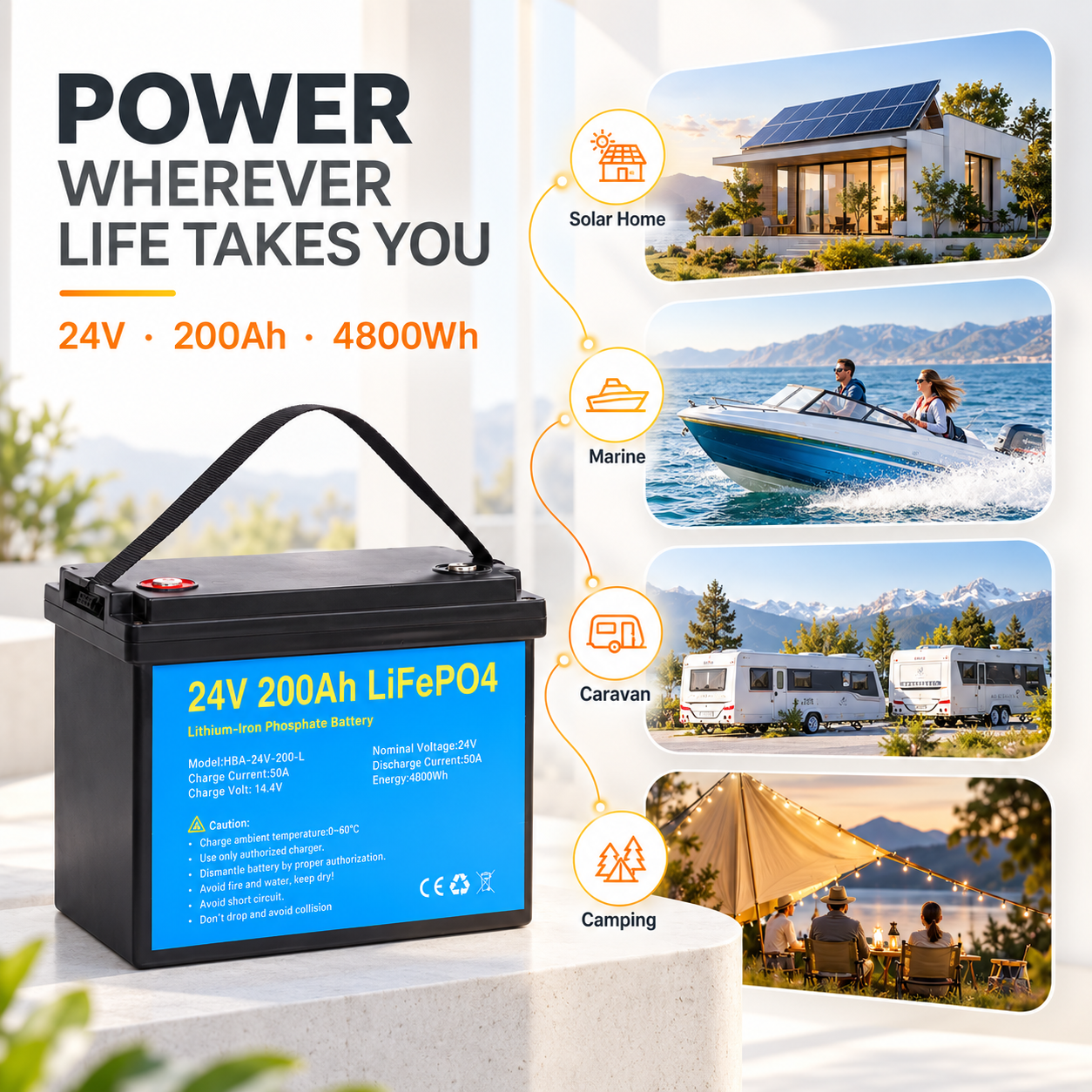
Solar Energy Storage: These batteries are commonly used in solar power systems, storing excess energy generated during the day for use at night or during cloudy periods. Their durability and efficiency make them ideal for residential setups. 

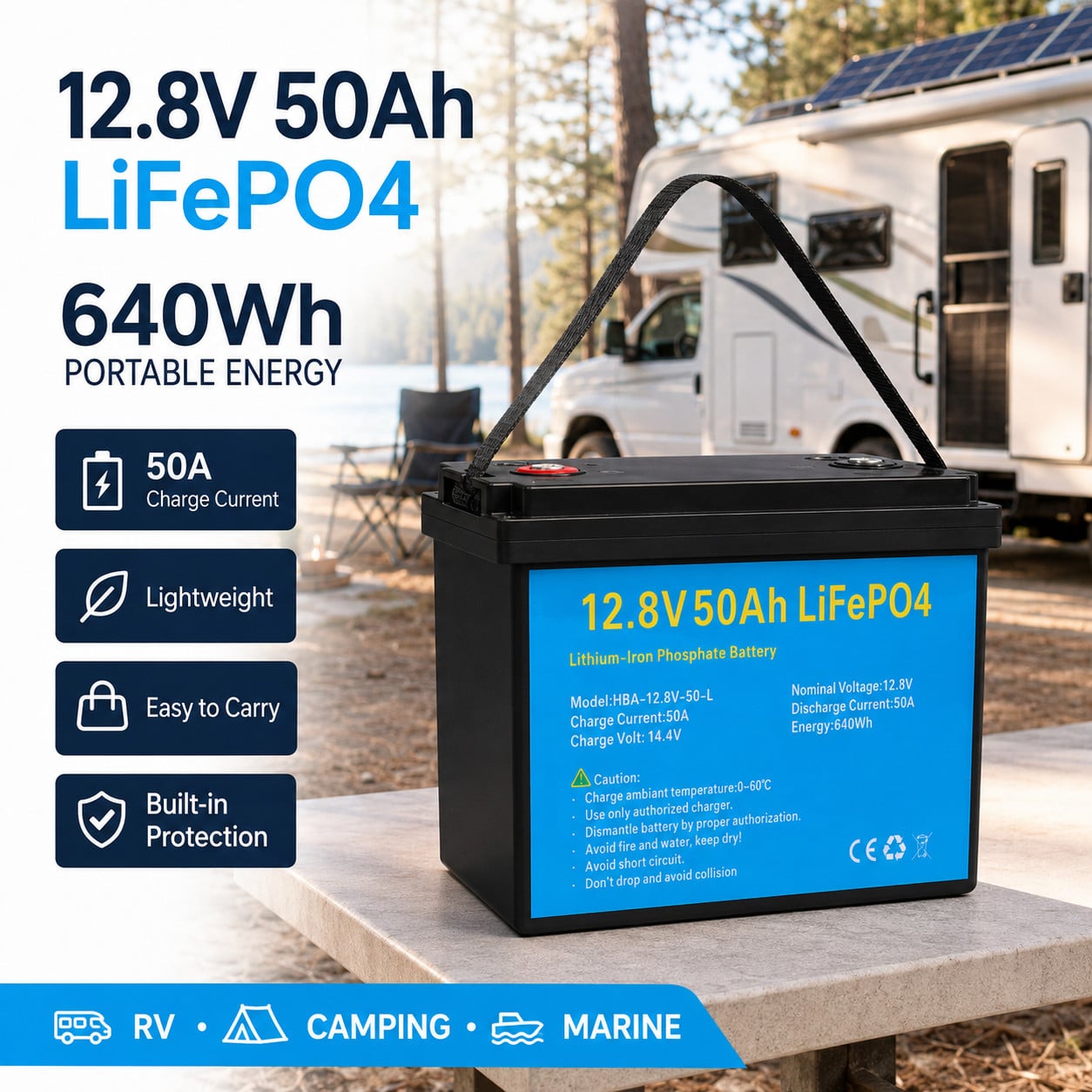
Marine Applications: In marine environments, reliability is crucial. 48V 200Ah lithium batteries provide dependable power for electric motors and onboard systems, offering a lightweight solution compared to traditional lead-acid batteries. 

Uninterruptible Power Supplies (UPS): For critical operations that require constant power, these batteries provide a reliable backup, ensuring that systems remain operational during outages. 

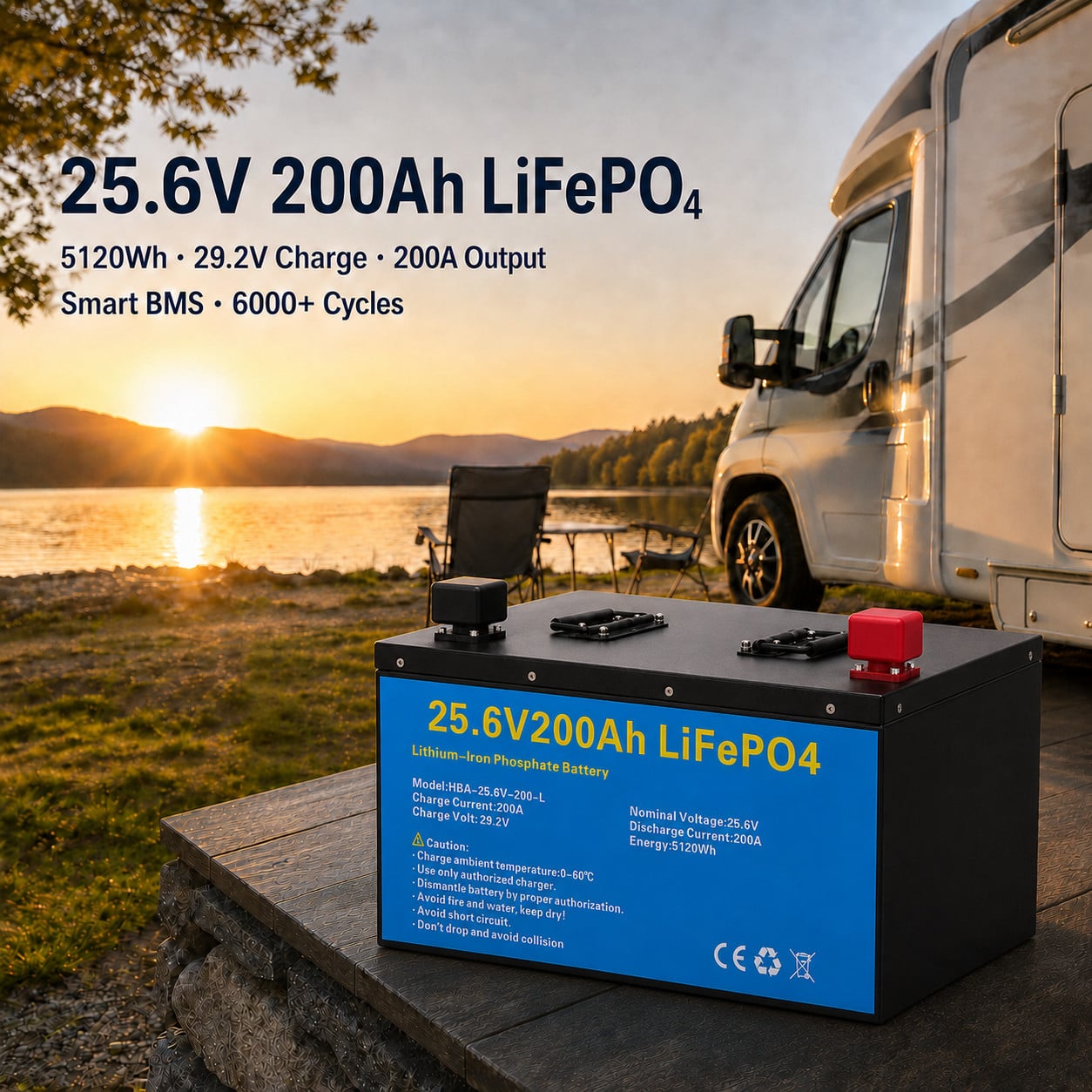
Recreational Vehicles (RVs): Lithium batteries are gaining traction in the RV market due to their lighter weight and longer cycle life, allowing for extended travel without the need for frequent recharging. 

Understanding these applications helps buyers align their product needs with the expected performance characteristics of the batteries.

What to Look for in Lithium Batteries

When sourcing YANSHUO lithium batteries, several factors should be prioritized to ensure quality and performance: 

Certification and Compliance: Ensure the batteries meet industry standards and safety certifications. This minimizes risks associated with safety and performance. 

Manufacturer Reputation: Research the manufacturer’s history and customer reviews. A reputable manufacturer will have a proven track record of reliability and customer satisfaction. 

Warranty and Support: A robust warranty can provide peace of mind. Check the terms and conditions, and ensure that the supplier offers satisfactory customer support for any issues that may arise. 

Performance Data: Request data sheets that detail performance metrics, including charge/discharge cycles, efficiency rates, and internal resistance. This data is vital for evaluating the battery's suitability for specific applications. 

Cost vs. Value: While price is a significant factor, consider the total cost of ownership, which includes performance, lifespan, and maintenance costs. A cheaper battery may not necessarily provide the best value over time. 

By focusing on these elements, you can enhance your chances of selecting a high-quality lithium battery that meets your needs.

Common Problems with Lithium Batteries and Their Solutions

Despite their many advantages, YANSHUO lithium batteries can present challenges. Here are some common problems and their solutions: 

Battery Management System (BMS) Failures: The BMS is crucial for monitoring battery health. Ensure that the battery comes equipped with a reliable BMS that can prevent overcharging, deep discharging, and overheating. 

Thermal Runaway: This phenomenon can occur if batteries are not properly cooled. Make sure your application includes adequate thermal management systems to maintain safe operating temperatures. 

Capacity Loss Over Time: Lithium batteries can experience capacity fade after many cycles. To mitigate this, implement a regular maintenance and monitoring schedule to assess lithium battery 48v 200ah health. 

Compatibility Issues: When integrating lithium batteries into existing systems, compatibility with charging systems and other components must be confirmed. Consult with your supplier to ensure proper integration. 

By understanding these issues and their potential solutions, you can better prepare for the challenges associated with lithium battery usage. 

navigating the market for 48V 200Ah lithium batteries requires careful consideration of specifications, supplier reliability, and potential challenges. By taking an informed and structured approach, you can ensure that your investments yield the best performance and value for your applications.

How to Choose the Right Supplier for Lithium Battery Wholesale

Selecting a reliable supplier for YANSHUO lithium batteries is critical for ensuring quality and performance. Start by evaluating the supplier’s certifications, such as UN38.3 and CE, which indicate compliance with international safety standards. Look for manufacturers with experience in the specific application you are targeting, whether it be solar, marine, RV, or UPS systems. 

When vetting suppliers, consider their production capabilities and quality control processes. A supplier that employs rigorous testing and has a robust quality management system can provide assurance of the 48v lithium battery charger performance and longevity. Additionally, assess their customization capabilities and minimum order quantities (MOQs) to ensure they can meet your specific project requirements. 

It can also be beneficial to request samples to evaluate the product firsthand before committing to a larger order. This allows you to check for quality, performance, and compatibility with your applications.

Get a Free Quote

Our representative will contact you soon.
0/1000