Home Solar System Battery Storage Solutions

5,000+ units ready stock, 1–5 days fast global delivery

application/home-solar-system-battery-storage, application/home-solar-system-battery-storage, 
Inquiry
Inquiry

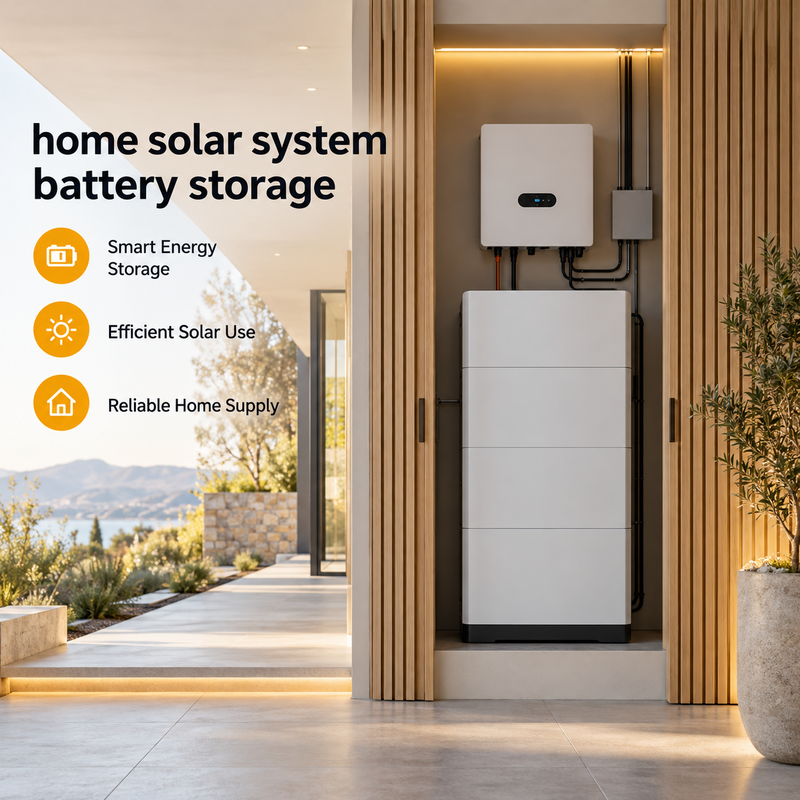
Home solar system battery storage

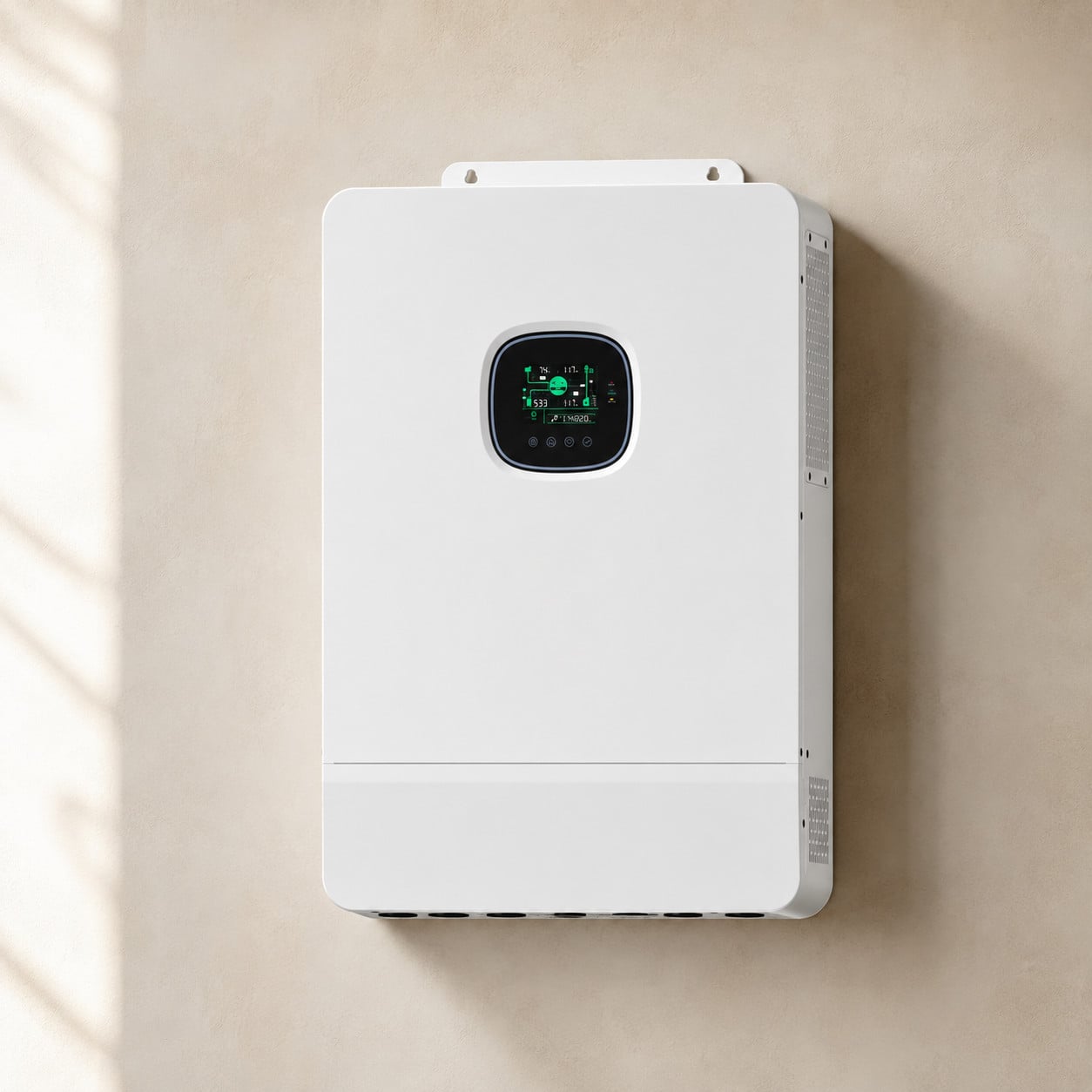
Home double battery inverter storage solutions are essential for maximizing the efficiency and utility of solar energy systems in residential settings. As more homeowners and businesses invest in renewable energy sources, the demand for reliable battery storage has surged. B2B buyers, including purchasing managers and product managers, are often concerned with product specifications, quality assurance, and supplier reliability. This article will explore key specifications, supplier comparisons, quality evaluations, common challenges, and various application sectors of home solar battery systems to empower buyers in making informed decisions.

Comparing Wholesale Suppliers of Home Solar Battery Systems

Comparing Wholesale Suppliers of Home Solar Battery Systems

Selecting the right supplier for home solar battery systems involves thorough comparison across several aspects:

Certifications: Ensure that suppliers have relevant certifications such as UN38.3 and CE, which indicate compliance with international safety and quality standards. This is crucial for ensuring product safety and reliability.

Product Range: Evaluate the variety of products offered by suppliers. A supplier that provides a range of battery capacities and features can better meet diverse customer needs.

Customization Capabilities: Some buyers may require specific modifications for their applications. Suppliers that offer customization options can be more appealing, as they can tailor solutions to fit unique requirements.

Pricing Structures: Compare pricing, but also consider the total cost of ownership, which includes installation, maintenance, and potential replacement costs. A lower initial price may not always represent the best value.

Lead Times and Availability: Assess suppliers' production capacities and lead times. Reliable suppliers should provide clear timelines for order fulfillment to avoid disruptions in projects.

By focusing on these factors, buyers can make informed comparisons that lead to selecting the most suitable wholesale supplier for their home solar battery systems.

Evaluating the Quality of Home Solar Battery Storage Products

Quality assurance is paramount when selecting home solar battery storage products. Here are key areas to focus on:

Material Quality: The materials used in battery construction can significantly affect performance and safety. LiFePO4 batteries, like those manufactured by Shenzhen Yanshuosheng Technology Co., Ltd., are preferred for their durability and safety features.

Manufacturing Processes: Understanding the manufacturing processes employed by the supplier can provide insight into product quality. Look for suppliers with strict quality control protocols and advanced production equipment.

Testing and Compliance: Verify that the products undergo rigorous testing for performance and safety before reaching the market. This includes checking for compliance with industry standards and regulations.

Warranty and Support: A robust warranty indicates confidence in the product's quality. Buyers should consider the warranty terms and the level of customer support available for troubleshooting and maintenance.

Customer Reviews and Case Studies: Researching customer experiences and case studies can provide real-world insights into product performance and supplier reliability.

By evaluating these quality factors, buyers can ensure they are investing in reliable home solar battery storage solutions.

Common Problems with Home Solar Battery Storage and Solutions

While home solar battery storage systems provide significant advantages, they can encounter common issues. Here are some prevalent problems and their potential solutions:

Overheating: Excessive heat can reduce battery performance and lifespan. This can be mitigated by ensuring proper ventilation and temperature monitoring systems are in place.

Degradation Over Time: All batteries degrade over time, but certain factors can accelerate this process. High temperatures and deep discharges can lead to faster degradation. Implementing proper charging practices and maintaining optimal operating conditions can help extend battery life.

Compatibility Issues: Not all batteries are compatible with every solar inverter or system. Buyers should verify compatibility with existing equipment before purchasing to avoid installation challenges.

Capacity Misjudgment: Underestimating energy needs can lead to inadequate battery capacity. Conducting a comprehensive energy audit can help accurately determine the required battery size.

Maintenance Needs: Some battery systems require regular maintenance to function optimally. Buyers should inquire about maintenance requirements and how they affect operational costs.

Addressing these common issues proactively can ensure a smoother operating experience with home solar battery storage systems.

Applications of Home Solar System Battery Storage in Various Sectors

Home solar battery storage solutions are versatile and find applications across various sectors:

Residential Energy Management: Homeowners use battery storage systems to store excess solar energy generated during the day for use during peak hours or nighttime. This reduces reliance on grid power and can lead to cost savings on energy bills.

Commercial and Industrial Use: Businesses utilize solar battery storage for energy independence and to manage demand charges. By storing energy during off-peak times, companies can reduce overall energy costs and enhance sustainability efforts.

RVs and Marine Applications: Portable battery storage solutions are also popular in recreational vehicles (RVs) and marine applications. They provide a reliable power source for appliances and equipment while on the go.

Backup Power Systems: In areas prone to power outages, home solar battery storage systems serve as backup power, ensuring continuity of operations for both residential and commercial users.

Remote Locations: Battery storage is crucial in off-grid settings where access to grid power is limited. These systems can enable solar energy use in remote areas, providing electricity for various applications.

Understanding these diverse applications can help buyers recognize the value of home solar battery storage solutions across different contexts.

By focusing on these aspects, B2B buyers can make well-informed decisions regarding home 12v battery inverter, ensuring they select the best products for their specific needs and applications.

Key Specifications for Home Solar Battery Storage Solutions

When considering home portable inverter with battery, several critical specifications need to be evaluated:

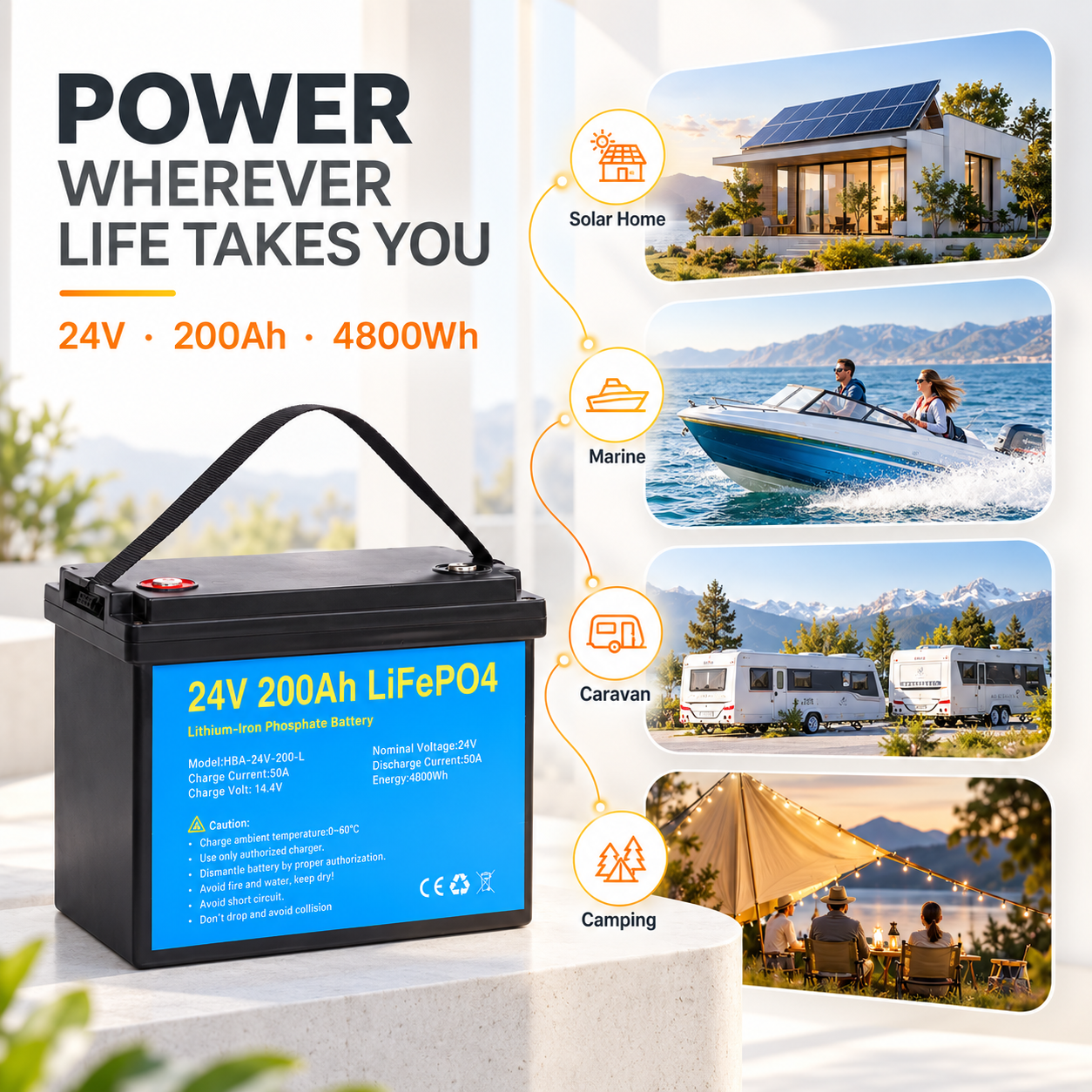
Battery Chemistry: Lithium Iron Phosphate (LiFePO4) is a prevalent choice due to its long lifecycle, thermal stability, and safety profile. Compared to other chemistries, LiFePO4 batteries have a higher thermal stability, which reduces the risk of fire and enhances safety, making them ideal for residential applications.

Capacity: This refers to the total amount of energy the battery can store, typically measured in kilowatt-hours (kWh). Buyers should assess their energy consumption patterns and select a battery with an adequate capacity to meet daily needs, especially during peak usage times.

Depth of Discharge (DoD): This specification indicates how much of the battery’s capacity can be used without damaging it. A higher DoD allows for more usable energy, which is crucial for maximizing the efficiency of energy storage.

Cycle Life: The number of charge and discharge cycles the battery can undergo before its capacity significantly diminishes is vital for long-term investment. A higher cycle life translates to lower replacement costs over time.

Efficiency: This includes round-trip efficiency, which measures the amount of energy that can be retrieved from the battery compared to the energy used to charge it. Higher efficiency means less energy loss, translating to better performance.

Understanding these specifications can help buyers choose the right home solar battery storage solution that aligns with their energy needs and budget.

Get a Free Quote

Our representative will contact you soon.
0/1000