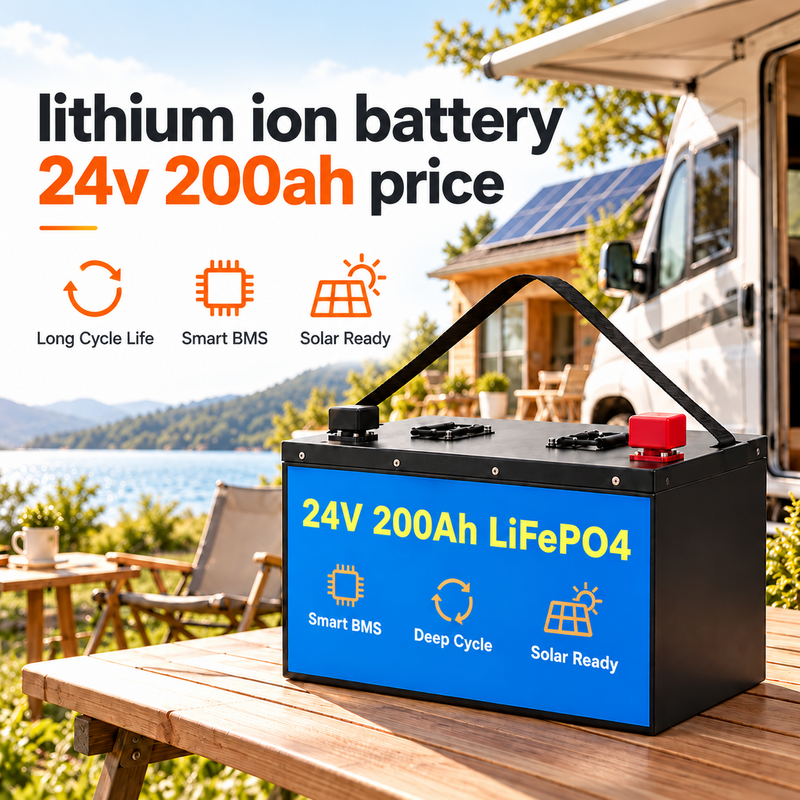
Lithium Ion Battery 24V 200Ah: Key Insights and Pricing

5,000+ units ready stock, 1–5 days fast global delivery

application/lithium-ion-battery-24v-200ah-price, application/lithium-ion-battery-24v-200ah-price, 
Inquiry
Inquiry

Lithium ion battery 24v 200ah price

Lithium-ion batteries have become a cornerstone in various applications, particularly in energy storage solutions. One popular configuration is the lithium-ion battery 24V 200Ah, which is sought after for its efficiency and reliability in energy delivery. Buyers typically focus on factors such as price, performance, and application suitability when considering these batteries. This small inverter with battery article will provide insights into the essential specifications, reliable suppliers, cost factors influencing pricing, installation guidelines, and common applications, helping you make an informed purchasing decision. 

Finding reliable suppliers for lithium-ion batteries

Finding reliable suppliers for lithium-ion batteries

Finding reliable suppliers for lithium-ion batteries requires careful consideration of several factors: 

Industry Reputation: Look for manufacturers with a strong reputation in the industry, such as Shenzhen Yanshuosheng Technology Co., Ltd., which specializes in LiFePO4 energy storage systems. Researching customer reviews and testimonials can provide insights into product reliability and customer service. 

Certifications: Reliable suppliers should hold necessary certifications (e.g., UN38.3, CE) that demonstrate adherence to safety and quality standards. This double battery inverter assures buyers that the products meet regulatory requirements. 

Technical Support: A good supplier will offer technical support and guidance on product selection and installation. This reliable suppliers of lithium ion battery can be invaluable for buyers who are not experts in battery technology. 

Customization Capabilities: Some suppliers offer customization options for specific applications. Assessing whether a supplier can tailor solutions to meet unique requirements can be a significant advantage. 

Export Markets: Suppliers with experience in exporting to multiple countries often have better logistics management and understanding of international standards, making them more reliable partners. 

MOQ and Lead Time: Clarifying the minimum order quantity (MOQ) and typical lead times can help streamline the purchasing process and ensure that suppliers can meet your delivery deadlines. 

Engaging with suppliers that meet these criteria can enhance the overall purchasing experience. 

The price of a lithium-ion battery 24V 200Ah

The price of a lithium-ion battery 24V 200Ah can vary significantly based on several factors: 

Material Costs: The lithium ion battery 24V 200Ah cost of raw materials, including lithium, iron, and phosphate, can fluctuate based on market conditions. This lithium ion battery 24V 200Ah cost factors influencing lithium ion battery pricing directly impacts the final price. 

Manufacturing Processes: Advanced manufacturing techniques and quality control measures can add to production costs. Suppliers that emphasize quality assurance may charge a premium, but this often results in better performance and longevity. 

Order Quantity: Larger orders typically benefit from bulk pricing discounts. Buyers should assess their needs carefully to optimize costs. 

Customization: Custom features or specifications can increase the overall price. If specific adaptations are needed, it’s important to discuss these with the supplier early in the negotiation process. 

Shipping and Handling: Depending on the delivery location, shipping costs can vary. Understanding these costs upfront can help buyers budget effectively. 

Market Demand: Seasonal demand, particularly in industries reliant on renewable energy, can affect pricing.  Buyers should stay informed about market trends to anticipate price fluctuations. 

Understanding these factors can help buyers negotiate better pricing and make informed purchasing decisions. 

Proper installation is crucial

Proper installation is crucial for the optimal performance of lithium-ion batteries. Here are some guidelines to follow: 

Location and Ventilation: Install batteries in a cool, dry place with adequate ventilation. Avoid direct sunlight and heat sources, as high temperatures can affect battery lifespan and performance. 

Electrical Connections: Ensure all electrical connections are secure and properly insulated to prevent short circuits. Use appropriately rated cables to handle the expected current. 

Battery Management System (BMS): Utilize an independent BMS to monitor battery performance and state of charge. This lithium ion battery 24V 200Ah is vital for protecting against overcharging and over-discharging, which can severely impact battery life. 

Safety Protocols: Follow all safety protocols during installation, including the use of personal protective equipment (PPE). Ensure that there is a fire extinguisher nearby, particularly in installations involving larger battery systems. 

Testing Post-Installation: Once installed, conduct a thorough testing process to ensure everything is functioning as intended. Check for proper voltage output and monitor temperature during initial usage to identify any potential issues. 

Documentation: Keep detailed installation records, including diagrams and specifications. This installation guidelines for lithium ion battery documentation can be beneficial for future maintenance and troubleshooting. 

Proper installation not only maximizes efficiency but also enhances safety and reliability. 

The versatility of lithium-ion batteries

The versatility of lithium-ion batteries makes them suitable for a wide range of applications across various industries: 

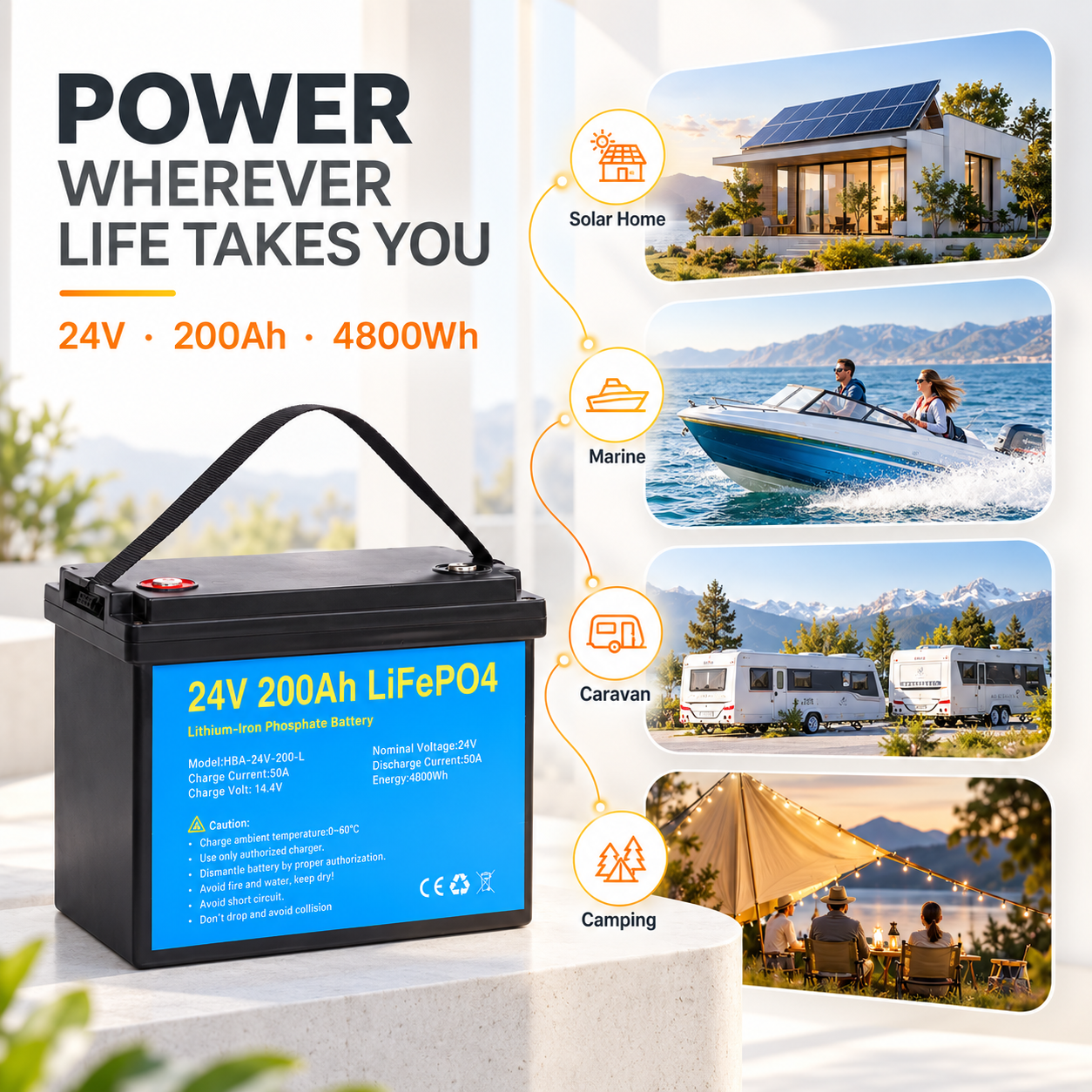
Solar Energy Systems: These batteries are commonly used in off-grid solar power systems to store excess energy generated during the day for use at night. Their high efficiency and cycle life make them ideal for renewable energy solutions. 

RV and Marine Applications: Lithium-ion batteries 24V 200Ah are popular in recreational vehicles and marine applications due to their lightweight design and robust performance. They provide a reliable power source for appliances and electronics while minimizing space usage. 

Uninterruptible Power Supplies (UPS): Many businesses use these batteries in UPS systems to ensure that critical systems remain operational during power outages. Their quick charge and discharge capabilities make them suitable for this purpose. 

Electric Vehicles (EVs): In some cases, these batteries are used in smaller electric vehicles or electric bikes, where weight and power efficiency are crucial. Their ability to handle high discharge rates is beneficial for acceleration and performance. 

Telecommunications: Lithium-ion batteries provide reliable backup power for telecommunications infrastructure, ensuring continuous service availability. Their compact size and low maintenance requirements are significant advantages.

Industrial Equipment: These batteries are increasingly used in industrial applications, such as forklifts and automated guided vehicles (AGVs), where consistent power delivery is essential for operational efficiency. 

Understanding the specific applications helps buyers select the right battery for their needs, ensuring optimal performance and reliability. 

When evaluating a lithium-ion battery 24V 200Ah

When evaluating a lithium-ion battery 24V 200Ah, buyers should focus on several key specifications that directly influence performance and application suitability: 

Battery Chemistry: Lithium iron phosphate (LiFePO4) is a common chemistry for this type of battery, offering high thermal stability, safety, and longer cycle life compared to other lithium-ion chemistries. This lithium ion battery 24V 200Ah is crucial for applications that require reliability, such as in solar energy systems and UPS setups. 

Capacity and Voltage: The lithium battery inverter price nominal voltage of 24V combined with a capacity of 200Ah indicates how much energy the battery can deliver. Buyers should assess if this capacity aligns with their energy needs, particularly for applications like RVs or marine systems where consistent power output is essential. 

Cycle Life: Typically, lithium ion battery 24V 200Ah LiFePO4 batteries provide a cycle life of 2000 to 5000 cycles. Understanding the cycle life helps buyers anticipate replacement costs and battery longevity. 

Discharge Rate: Knowing the maximum continuous discharge rate (often expressed in C-rates) is vital for applications with high power demands. Ensure that the chosen battery can handle the peak loads without compromising performance. 

Dimensions and Weight: Space constraints are common in installations. Evaluating the physical dimensions and weight of the battery ensures compatibility with existing infrastructure. 

Safety Standards and Certifications: Look for UN38.3 and CE certifications, which indicate compliance with safety standards for shipping and usage. This lithium ion battery 24V 200Ah is particularly important for industries concerned with safety and regulatory compliance. 

Buyers should verify these specifications against their application requirements to ensure optimal performance. 

Get a Free Quote

Our representative will contact you soon.
0/1000