Key Insights on Solar Battery Energy Storage Systems

5,000+ units ready stock, 1–5 days fast global delivery

application/solar-battery-energy-storage-system, application/solar-battery-energy-storage-system, 
Inquiry
Inquiry

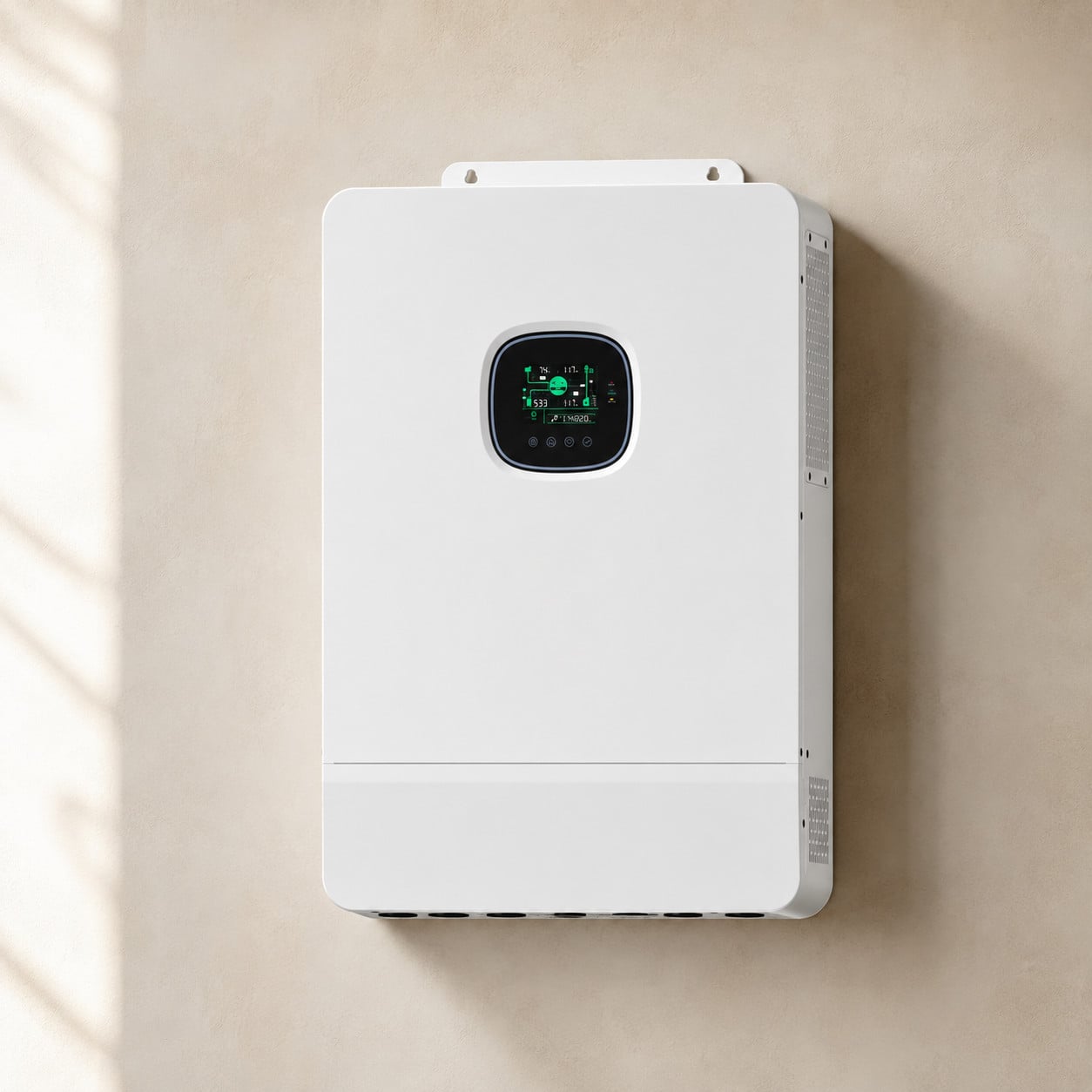
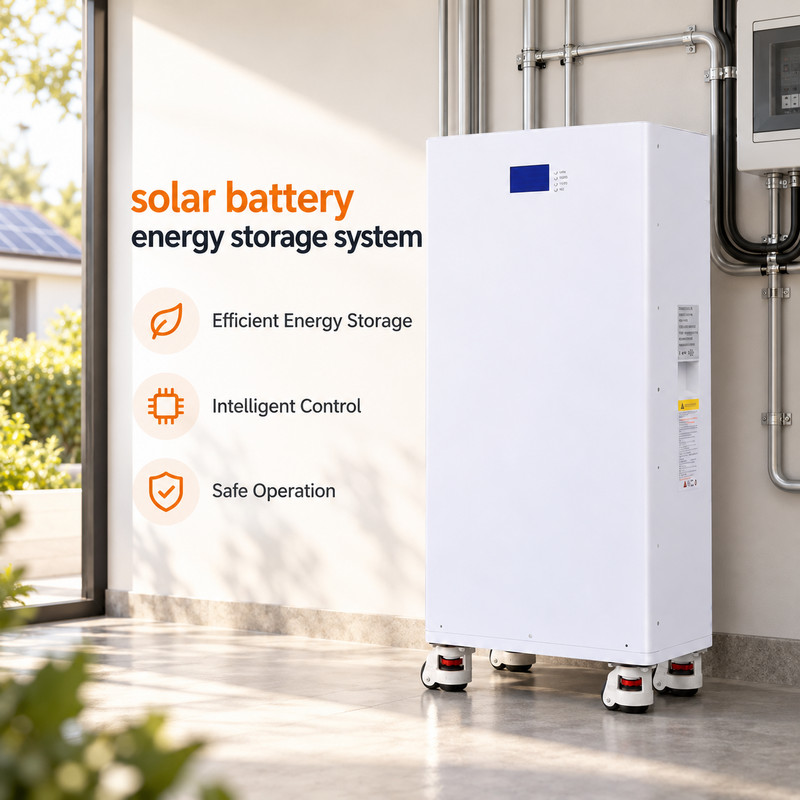
Solar battery energy storage system

Solar battery energy storage systems (BESS) are crucial components for harnessing and utilizing solar energy effectively, allowing businesses to optimize energy consumption, reduce costs, and enhance sustainability. B2B buyers, including purchasing managers, engineers, and product managers, often face concerns about product specifications, cost factors, and supplier reliability when considering these systems for their operations. This article aims to provide detailed insights into solar battery energy storage systems, helping buyers make informed purchasing decisions

Understanding the Cost Factors of Solar Battery Energy Storage Systems

Understanding the Cost Factors of Solar Battery Energy Storage Systems

The cost of solar battery energy storage systems can vary widely based on several factors

Battery Technology: LiFePO4 batteries, while often more expensive upfront than lead-acid options, provide longer lifespans and greater efficiency, which can lead to lower total costs over time

Capacity and Power Rating: Systems with higher capacity and power ratings typically have higher initial costs. It is essential to balance these factors with your energy needs and budget constraints

Installation Costs: Depending on the complexity of the installation and the need for additional equipment (like inverters or battery management systems), installation costs can significantly affect the overall expenditure

Maintenance and Warranty: Consider maintenance requirements and warranty options when evaluating costs. A system with a longer warranty may indicate higher quality and reliability, potentially saving money on repairs and replacements in the long run

Market Demand and Supply: Fluctuations in market demand and supply chain issues can influence prices. Keeping abreast of market trends can help buyers make timely purchasing decisions

By understanding these cost factors, buyers can better assess the total cost of ownership and make informed decisions that align with their financial planning

Where to Source Reliable Suppliers for Solar Battery Storage Solutions

Finding a reliable supplier is critical for ensuring quality and performance in solar battery energy storage systems. Here are some strategies to source trustworthy suppliers

Industry Research: Begin by researching manufacturers known for their expertise in energy storage solutions. Look for companies with a strong reputation and extensive experience in the industry, such as Shenzhen Yanshuosheng Technology Co., Ltd., which specializes in LiFePO4 systems

Certifications: Ensure the supplier has relevant certifications, such as UN38.3 and CE, which indicate compliance with international safety standards. These certifications are critical for ensuring product reliability and safety

Customer References and Reviews: Seek out customer testimonials and case studies that highlight the supplier's reliability and service quality. This feedback can provide insights into the supplier's performance in real-world applications

Trade Shows and Industry Events: Attend industry trade shows and events to meet suppliers, see products firsthand, and discuss your specific needs. This face-to-face interaction can help build trust and facilitate better communication

Request Samples and Proposals: Before making a bulk purchase, request samples to evaluate product quality and performance. Additionally, solicit detailed proposals that outline pricing, delivery timelines, and warranty terms

By taking these steps, buyers can identify reputable suppliers that meet their requirements for solar battery energy storage systems or solar battery backup system

Exploring Applications of Solar Battery Energy Storage in Various Industries

Solar battery energy storage systems are versatile and can be applied in multiple industries, including

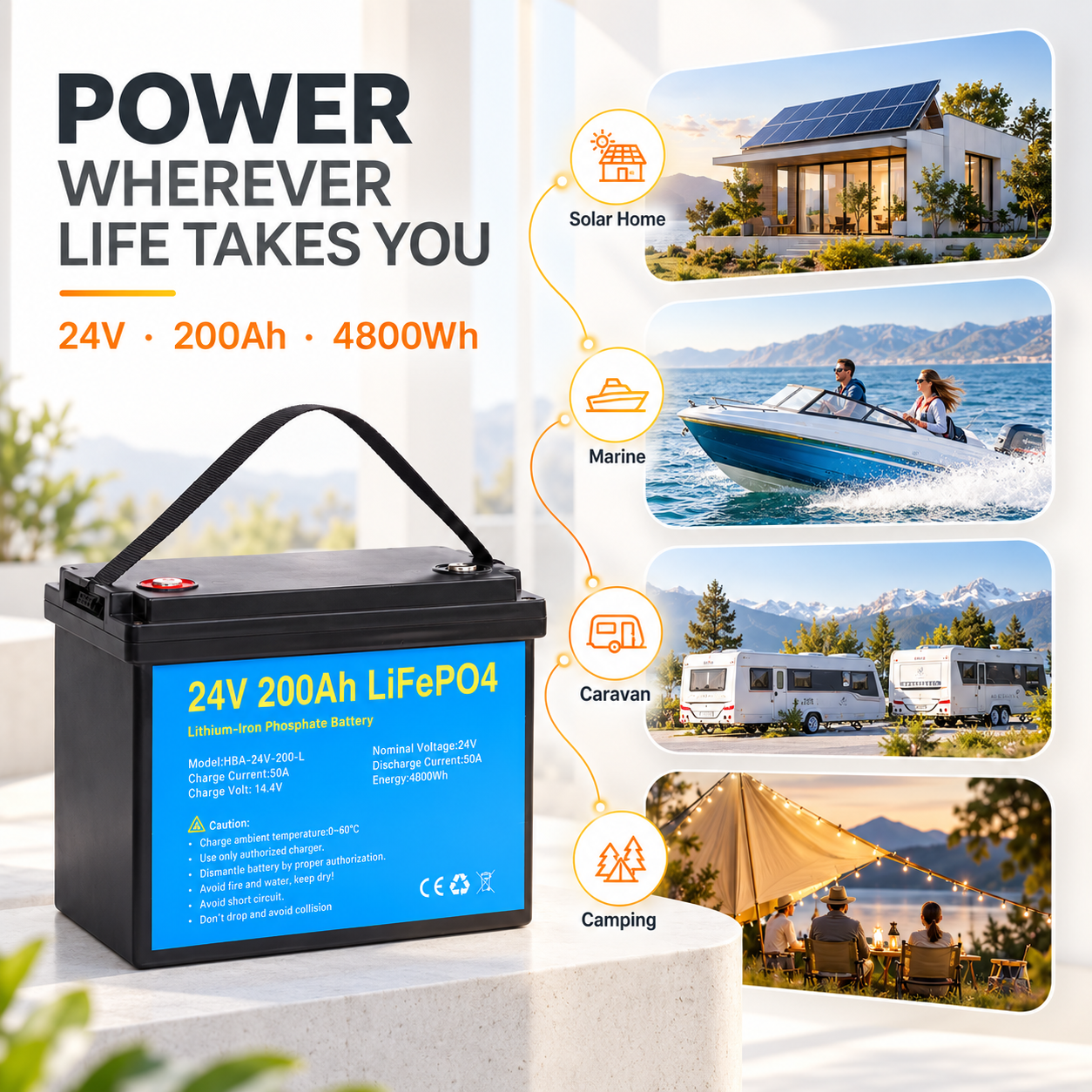
Residential: Homeowners use solar battery systems to store energy generated from solar panels for later use, reducing reliance on the grid and lowering utility bills

Commercial: Businesses use these systems to manage peak energy loads, ensuring a steady supply during high-demand periods and reducing operational costs

Industrial: In manufacturing, solar battery systems can be used to power machinery and equipment, enhancing operational efficiency and reducing carbon footprints

Marine and RV Applications: These systems are ideal for marine and recreational vehicle applications, providing power for onboard equipment and appliances without needing a constant shore connection

UPS Systems: Uninterruptible Power Supplies (UPS) utilize solar battery systems to ensure continuous power during outages, making them crucial for critical operations in healthcare, data centers, and telecommunications

By understanding the various applications, buyers can identify suitable solutions tailored to their specific industry needs

Technical Advantages of LiFePO4 in Solar Battery Energy Storage Systems

LiFePO4 batteries offer several technical advantages that make them a preferred choice for solar battery energy storage systems mor home solar battery

Safety: LiFePO4 batteries have a stable chemical structure that significantly reduces the risk of thermal runaway, making them safer than other lithium-ion batteries

Long Life Cycle: With a cycle life of over 2000 cycles, LiFePO4 batteries can last significantly longer than traditional lead-acid batteries, leading to lower replacement costs over time

High Energy Density: These batteries offer high energy density, allowing more energy storage in a smaller footprint. This characteristic is particularly beneficial for applications with space constraints

Efficiency: LiFePO4 batteries exhibit high round-trip efficiency, typically around 90-95%, which means that a greater percentage of stored energy is usable, maximizing energy savings

Environmental Impact: As a non-toxic and environmentally friendly option, LiFePO4 batteries pose fewer disposal concerns compared to lead-acid alternatives, aligning with sustainability goals for many businesses

By leveraging the benefits of LiFePO4 technology, companies can enhance their energy management strategies while minimizing risks and costs associated with energy storage

Key Specifications to Compare in Solar Battery Energy Storage Systems

When evaluating solar battery energy storage systems or home solar battery system, several key specifications should be considered to ensure optimal performance and compatibility with your energy needs

Battery Type: Lithium Iron Phosphate (LiFePO4) batteries are popular for their thermal stability and safety. These batteries offer a longer life cycle and higher energy density compared to traditional lead-acid batteries, making them suitable for commercial applications

Capacity and Power Output: Capacity, measured in kilowatt-hours (kWh), indicates how much energy the battery can store. Power output, measured in kilowatts (kW), indicates how much energy can be delivered at once. Assessing both specifications helps determine how long the system can supply power and how effectively it can meet peak demand

Depth of Discharge (DoD): This specification refers to the percentage of energy that can be safely used from the battery without affecting its lifespan. A higher DoD means more usable energy, which is crucial for maximizing efficiency

Cycle Life: This indicates how many charge and discharge cycles the battery can endure before its capacity significantly diminishes. A higher cycle life reduces replacement frequency and costs over time

Efficiency: The round-trip efficiency measures how much energy is retained after charging and discharging. Systems with higher efficiency minimize energy losses, thus maximizing the return on investment

Dimensions and Weight: These specifications affect installation space and compatibility with existing setups. Consider the physical requirements based on your location and intended application

Understanding these specifications allows buyers to choose a solar battery energy storage system that aligns with their operational demands and energy management strategies

Get a Free Quote

Our representative will contact you soon.
0/1000