Understanding Solar Battery System Costs

5,000+ units ready stock, 1–5 days fast global delivery

application/solar-battery-system-cost, application/solar-battery-system-cost, 
Inquiry
Inquiry

Solar battery system cost

Understanding the cost of a solar battery system is crucial for businesses looking to enhance their energy efficiency and reduce reliance on traditional power sources. Solar battery systems, particularly those utilizing LiFePO4 technology, offer significant advantages in terms of longevity and performance. This car battery power inverter article will delve into the specifications and cost analysis of solar battery systems, helping purchasing managers and engineers make informed decisions while addressing key concerns such as supplier reliability, installation costs, common issues, and strategies for maximizing value.


Selecting a reliable supplier is critical

Selecting a reliable supplier is critical

Selecting a reliable supplier is critical for ensuring quality and performance in solar battery systems. Here are some key factors to consider: 

Certifications: Look for suppliers that hold relevant certifications such as UN38.3 for transportation safety and CE marking for compliance with EU standards. These double battery inverter certifications indicate that the products meet specific safety and quality benchmarks. Experience and Reputation: Suppliers like Shenzhen Yanshuosheng Technology Co., Ltd., with experience in the market and a track record of serving multiple countries, often provide more reliable products and support. Customer Reviews and Case Studies: Investigate customer feedback and case studies to evaluate the supplier's performance in real-world applications. Technical Support and Warranty: Ensure the supplier offers robust technical support and a clear warranty policy. This can be vital if issues arise after installation. 

Taking the time to conduct thorough research on potential suppliers will help mitigate risks associated with solar battery system purchases. 

Installation costs for solar battery systems

Installation costs for solar battery systems can vary significantly based on several factors, including: 

System Size and Complexity: Larger systems or those requiring complex integration with existing solar panels or grid systems will typically incur higher installation costs. Labor Rates: The cost of labor can differ by region. It's single battery inverter price advisable to obtain multiple quotes from certified installers to get a realistic estimate. Additional Equipment: Costs may also include inverters, mounting hardware, and wiring, which can increase the overall installation budget. Permits and Inspections: Depending on local regulations, obtaining necessary permits and passing inspections can add to the total cost. 

For a typical residential installation, buyers can expect installation costs to range from $500 to $2,000, depending on the system's complexity and local market conditions. It's crucial to evaluate these factors during the purchasing process to avoid unexpected expenses. 

While solar battery systems

While solar battery systems are generally reliable, several common issues can arise. Understanding these problems and their solutions can help buyers make informed decisions: 

Battery Degradation: Over time, all batteries experience capacity loss. To mitigate this, select systems with a higher cycle life and monitor usage patterns to avoid deep discharges. Overcharging: This can lead to battery damage. Implementing a quality BMS can help regulate charging and discharging, ensuring the battery operates within safe limits. Temperature Sensitivity: Batteries, particularly lithium types, can be sensitive to temperature extremes. Installing the system in a climate-controlled environment can help maintain optimal performance. Incompatibility with Existing Systems: Ensure compatibility with current solar setups. This may require consulting with a knowledgeable supplier to avoid integration issues. 

By proactively addressing these common problems, businesses can enhance the longevity and performance of their solar battery systems. 

To maximize value when purchasing solar battery systems

To maximize value when purchasing solar battery systems, consider the following strategies: 

Bulk Purchasing: If your organization plans to install multiple systems, negotiating bulk pricing can lead to significant cost savings. Long-Term Projections: Evaluate total cost of ownership, including installation, maintenance, and potential savings on energy costs over time. This holistic view can guide purchasing decisions. Customization Options: Work with suppliers who offer customization capabilities to tailor the system to specific needs, which can enhance performance and reduce waste. Performance Monitoring: Invest in monitoring systems that provide real-time data on battery performance and energy usage. This can inform operational adjustments that enhance efficiency and lifespan. 

By adopting these strategies, B2B buyers can ensure they are making the most cost-effective decisions regarding solar battery systems, ultimately leading to improved energy efficiency and sustainability for their operations. 

When evaluating solar battery systems

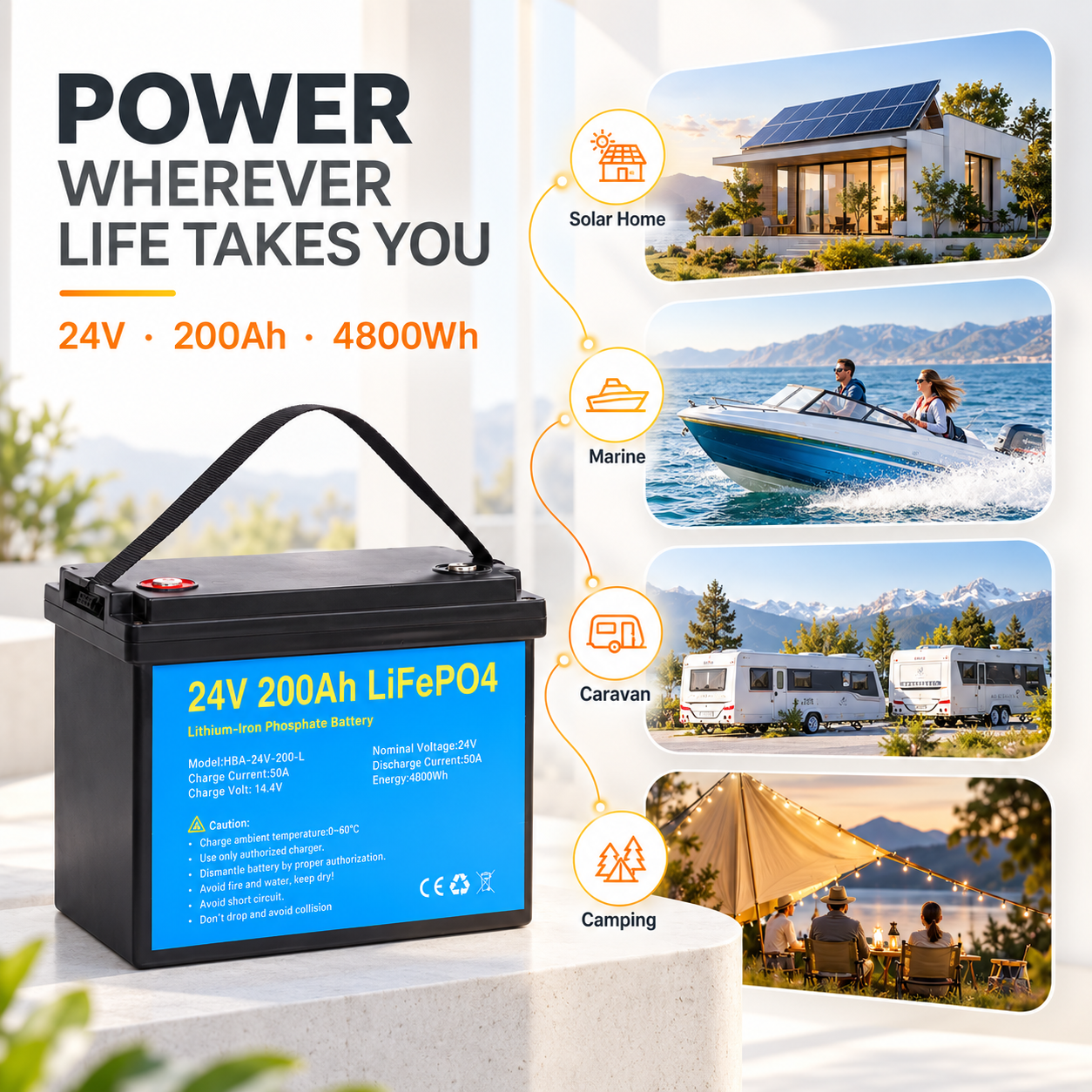
When evaluating solar battery systems, understanding the specifications is essential as they directly impact performance, longevity, and overall cost. For instance, small inverter with battery LiFePO4 batteries are known for their thermal stability, safety, and longevity compared to other lithium-ion battery types. Typical specifications to consider include: 

Capacity: Measured in amp-hours (Ah), it indicates how much energy the battery can store. A higher capacity generally leads to a higher cost but provides more energy availability. Voltage: Most solar battery systems operate at 12V, 24V, or 48V. The chosen voltage can affect system compatibility and performance. Cycle Life:  This reflects the number of charge-discharge cycles the battery can undergo before its capacity significantly diminishes. LiFePO4 batteries typically offer a cycle life of 2000 to 5000 cycles, influencing the cost per cycle. Depth of Discharge (DoD): This is the percentage of the battery that can be discharged without affecting its lifespan. A higher DoD allows for more usable energy but may increase costs. Weight and Size:  These factors affect installation and logistics. Understanding the space available for installation can influence both the choice of battery and the overall system cost. 

Regarding cost, solar battery systems can vary widely. Factors influencing cost include the brand, capacity, and specific technologies used. For example, while a basic lithium-ion battery may start around $500, advanced LiFePO4 systems can range from $1,000 to $3,000 or more, depending on specifications and features such as integrated Battery Management Systems (BMS) that monitor and enhance performance. 

Get a Free Quote

Our representative will contact you soon.
0/1000