Choosing Reliable Solar Power Storage Suppliers

5,000+ units ready stock, 1–5 days fast global delivery

application/solar-power-storage-companies, application/solar-power-storage-companies, 
Inquiry
Inquiry

Solar power storage companies

When selecting a reliable solar power storage supplier, businesses face critical decisions that impact efficiency and cost. Solar power storage companies provide essential energy management solutions, including LiFePO4 energy storage systems and deep-cycle batteries, crucial for various applications such as residential storage, RVs, and marine use. This article will guide purchasing managers, engineers, and other B2B buyers through the process of evaluating and choosing the right solar power storage supplier for their specific needs.

Key Specifications to Consider When Sourcing Solar Power Storage Systems

Key Specifications to Consider When Sourcing Solar Power Storage Systems

When sourcing solar power storage systems, several key specifications should be evaluated to ensure the products meet your application needs: 

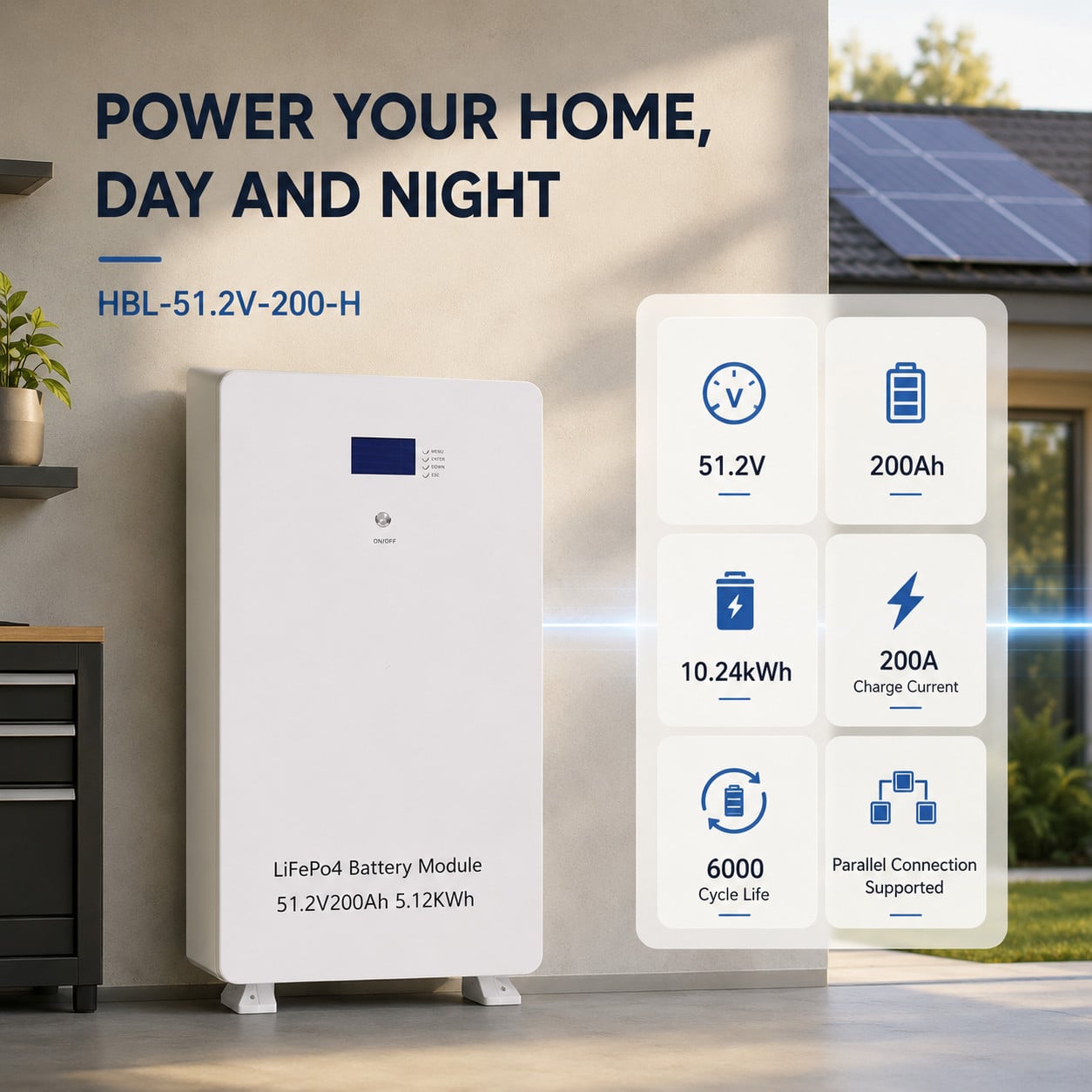
Battery Chemistry: LiFePO4 (Lithium Iron Phosphate) batteries are known for their stability, safety, and longevity compared to other lithium-ion batteries. Understanding the chemistry helps in evaluating performance, lifespan, and safety. 

Capacity and Depth of Discharge (DoD): The capacity, measured in amp-hours (Ah), indicates how much energy the battery can store. The DoD refers to the percentage of the battery's capacity that can be used without affecting its lifespan. A higher DoD allows for more usable energy, which is critical in applications where energy availability is paramount. 

Cycle Life: This specification indicates how many charge and discharge cycles the battery can undergo before its capacity significantly diminishes. For commercial applications, a longer cycle life can lead to lower total cost of ownership. 

Efficiency: Energy efficiency is crucial, as it affects how much energy is lost during charging and discharging. A higher round-trip efficiency means more energy is available for use, impacting overall system performance. 

Environmental Conditions: Ensure that the storage system can operate effectively under the environmental conditions expected in its application, such as temperature extremes and humidity levels. 

What to Look for in Solar Power Storage Solutions

When evaluating solar power storage solutions, focus on the following attributes to ensure optimal performance and compatibility with your energy systems: 

Scalability: If your energy needs are expected to grow, choose a modular system that can be easily expanded. This will allow for future upgrades without complete system replacement. 

Integration Capabilities: The solar power storage system should be compatible with various inverter types and other energy management systems. It is essential to verify that the components can work seamlessly together to avoid operational issues. 

Warranty and Support: A robust warranty indicates the manufacturer’s confidence in their product. Look for warranties that cover performance over an extended period, and ensure the supplier offers reliable customer support for installation and maintenance. 

Physical Size and Weight: Consider the installation space available and the weight of the battery systems. Some applications may require compact or lighter solutions. 

Safety Features: Look for built-in safety mechanisms such as thermal management systems and overcharge protection, which are critical in preventing accidents and ensuring the longevity of the battery. 

Cost Factors to Consider When Buying Solar Power Storage Systems

Understanding the cost factors associated with solar power storage systems is crucial for effective budgeting and financial planning. Key elements that influence pricing include: 

Initial Purchase Price: This includes the cost of the battery and any associated hardware required for installation. Always request quotes from multiple suppliers to compare prices effectively. 

Installation Costs: Factor in the costs of installation, which can vary based on the complexity of the system and the labor costs in your region. Some suppliers may provide installation services, while others may require third-party contractors. 

Long-Term Operating Costs: Consider the total cost of ownership, including maintenance, replacement parts, and energy efficiency. A system with a higher upfront cost may offer savings in the long run if it has lower operating costs. 

Incentives and Rebates: Investigate any available government incentives or rebates for solar power storage systems. These can significantly reduce the overall investment and improve return on investment (ROI). 

Financing Options: Explore financing options offered by suppliers or third-party providers. Flexible payment plans can help manage cash flow while investing in energy solutions. 

Where to Find Reliable Suppliers of Solar Power Storage Products

Finding trustworthy suppliers of solar power storage products requires diligent research and evaluation. Here are some strategies to locate reputable companies: 

Industry Directories and Trade Shows: Attend industry trade shows or consult online directories that list manufacturers and suppliers specializing in solar power storage technologies. This can provide direct access to a wide range of options. 

Referrals and Reviews: Seek referrals from industry peers or conduct online research to find reviews and testimonials from previous customers. This feedback can provide insights into product performance and customer service experiences. 

Manufacturer Websites: Visit the websites of manufacturers like Shenzhen Yanshuosheng Technology Co., Ltd. to explore their product catalogs, certifications, and case studies that demonstrate their experience and reliability in the market. 

Networking within Industry Forums: Engage in forums or online communities dedicated to solar energy and solar energy storage solutions. These platforms can offer valuable recommendations and experiences from other industry professionals. 

Certifications and Compliance: Ensure that any potential supplier has relevant certifications that indicate quality and safety compliance. This can help mitigate risks associated with purchasing subpar products. 

By focusing on these factors and conducting thorough research, you can confidently select a reliable solar power storage supplier that meets your specific needs and requirements. 

How to Choose the Right Solar Power Storage Supplier for Your Needs

Choosing the right solar power storage supplier involves assessing their product offerings, certifications, and experience in the industry. It is essential to look for suppliers who have a strong track record in manufacturing and supplying energy storage systems that meet international safety standards, such as UN38.3 and CE certifications. These certifications indicate that the products have been tested for safety and compliance, which is vital for ensuring reliability in applications like solar energy systems. 

Additionally, consider the supplier's experience in serving various markets. For instance, Shenzhen Yanshuosheng Technology Co., Ltd. has a proven history of delivering quality energy storage system across 50 countries. This global experience can be advantageous as it reflects the supplier's capability to adapt to diverse market demands and regulatory environments. 

Finally, evaluate the supplier's customer service and technical support. A supplier who provides robust support will assist you in troubleshooting, installation, and ensuring optimal performance of the storage systems. 

Get a Free Quote

Our representative will contact you soon.
0/1000