Choosing Solar Power Storage Solutions for Homes

5,000+ units ready stock, 1–5 days fast global delivery

application/solar-power-storage-home, application/solar-power-storage-home, 
Inquiry
Inquiry

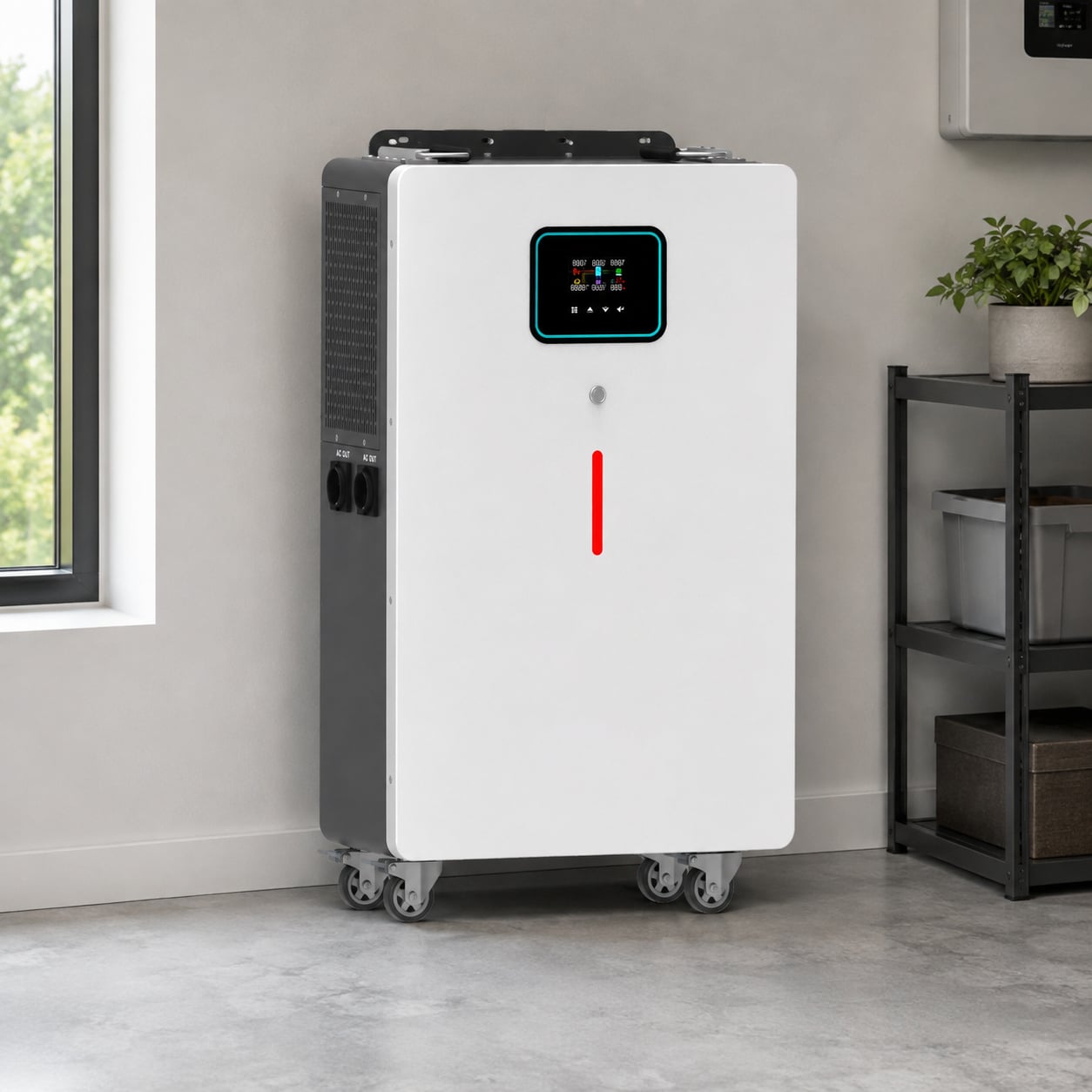
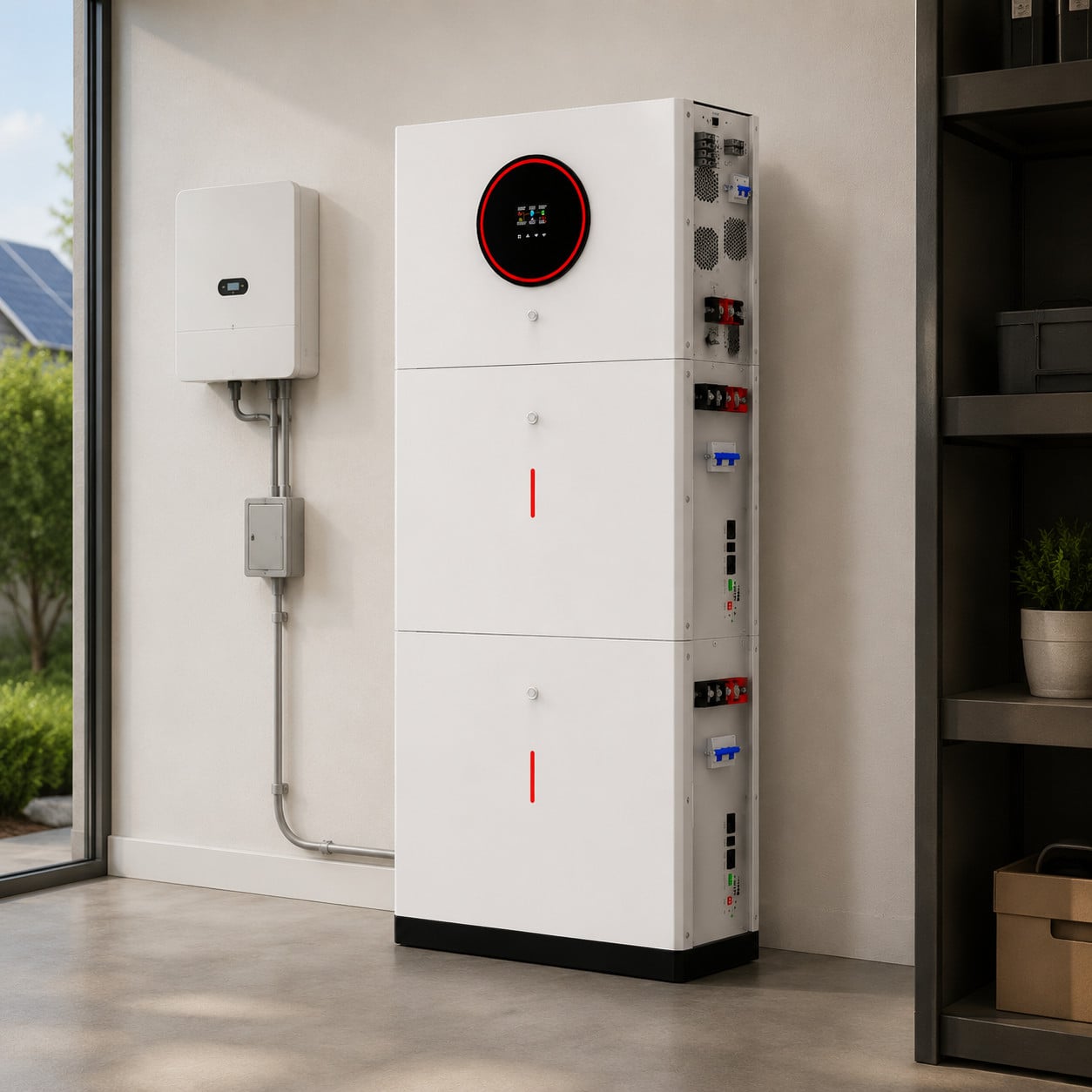
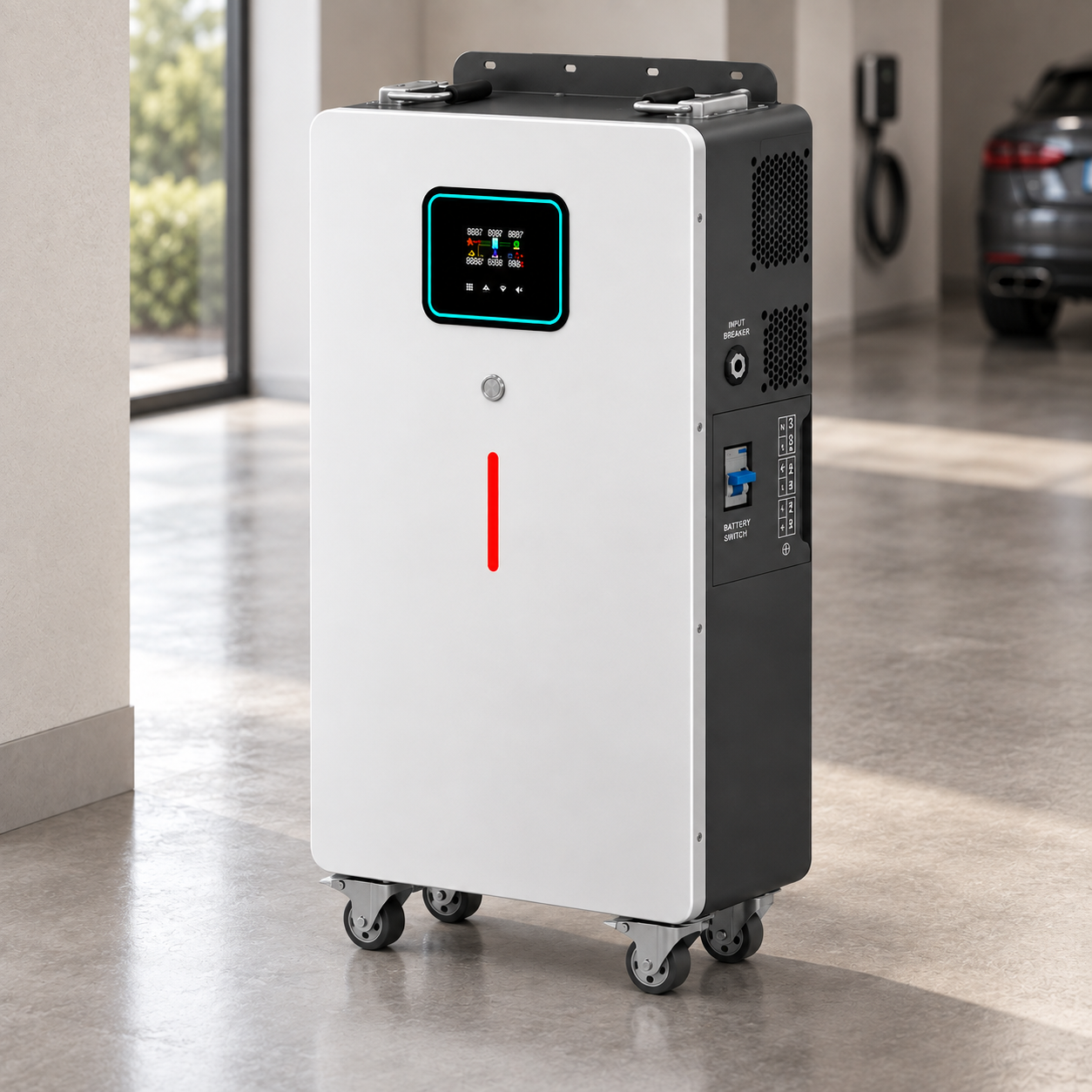
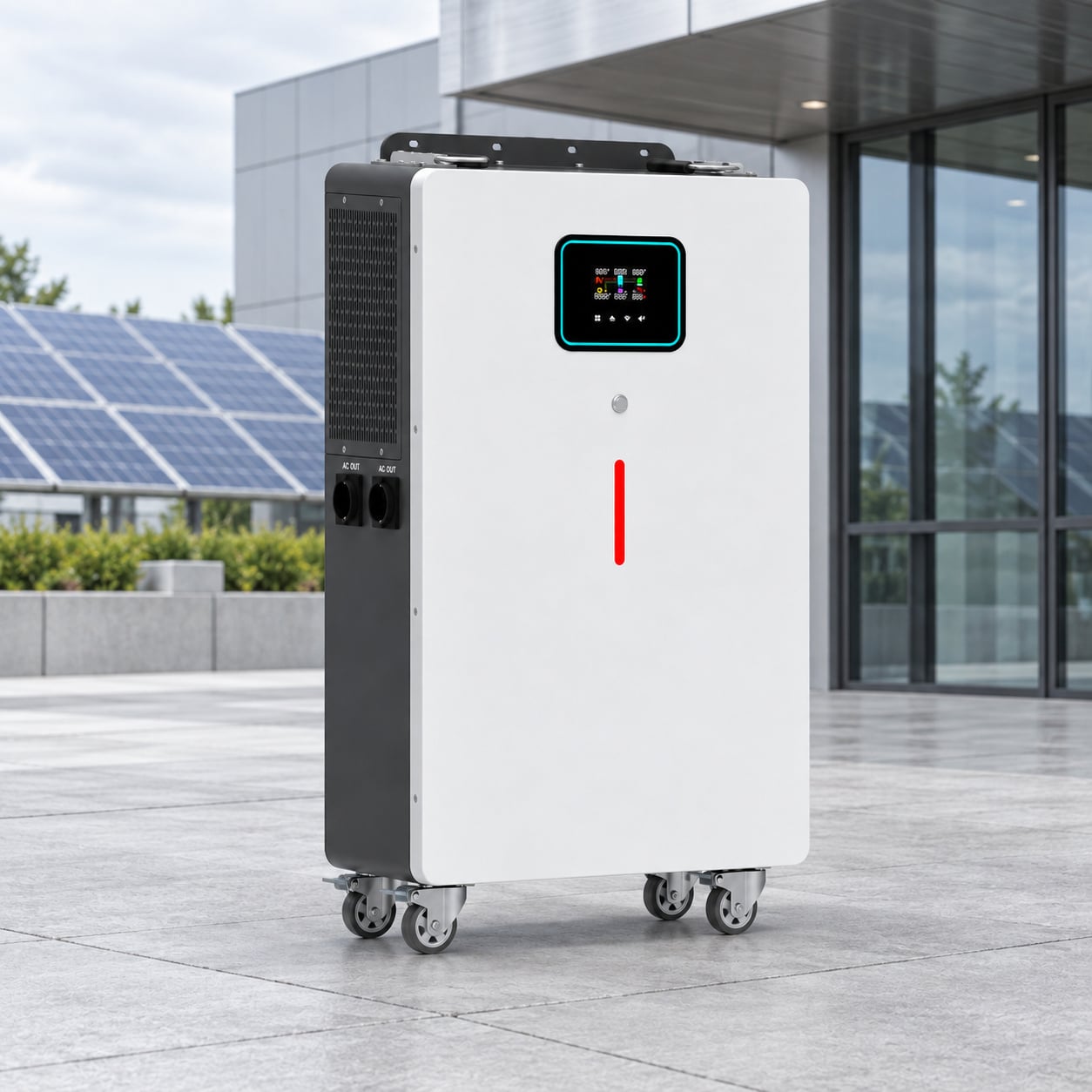
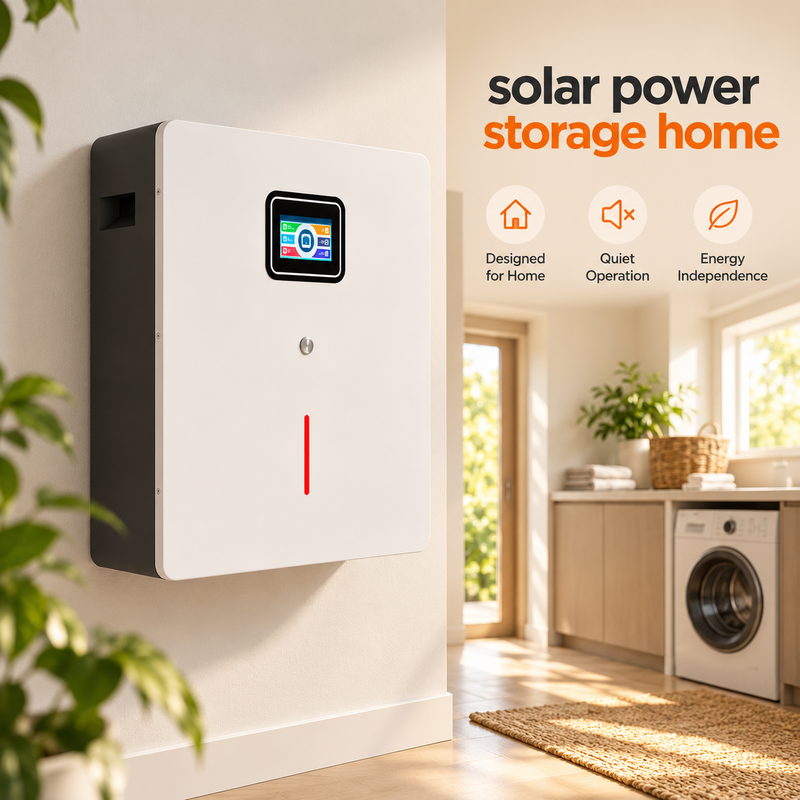
Solar power storage home

As the demand for renewable energy solutions grows, solar power storage for homes has emerged as a critical component for enhancing energy independence and efficiency. This article will guide purchasing managers and suppliers in understanding how to select the right solar power storage systems, evaluate their specifications, and consider installation and cost factors. By the end, readers will be better equipped to make informed decisions regarding their solar power storage needs.

Wholesale Supplier Options for High-Quality Solar Power Storage Systems

Wholesale Supplier Options for High-Quality Solar Power Storage Systems

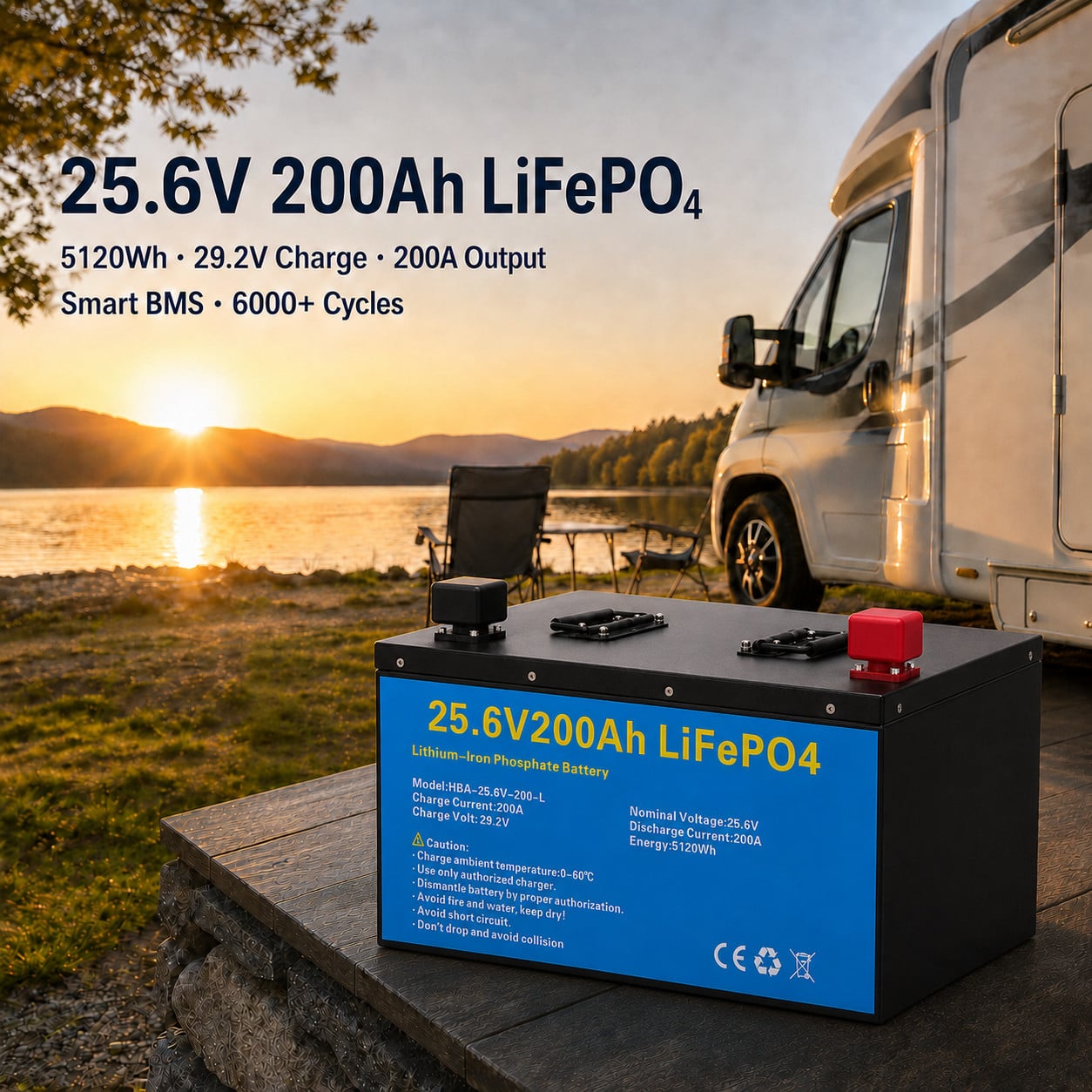
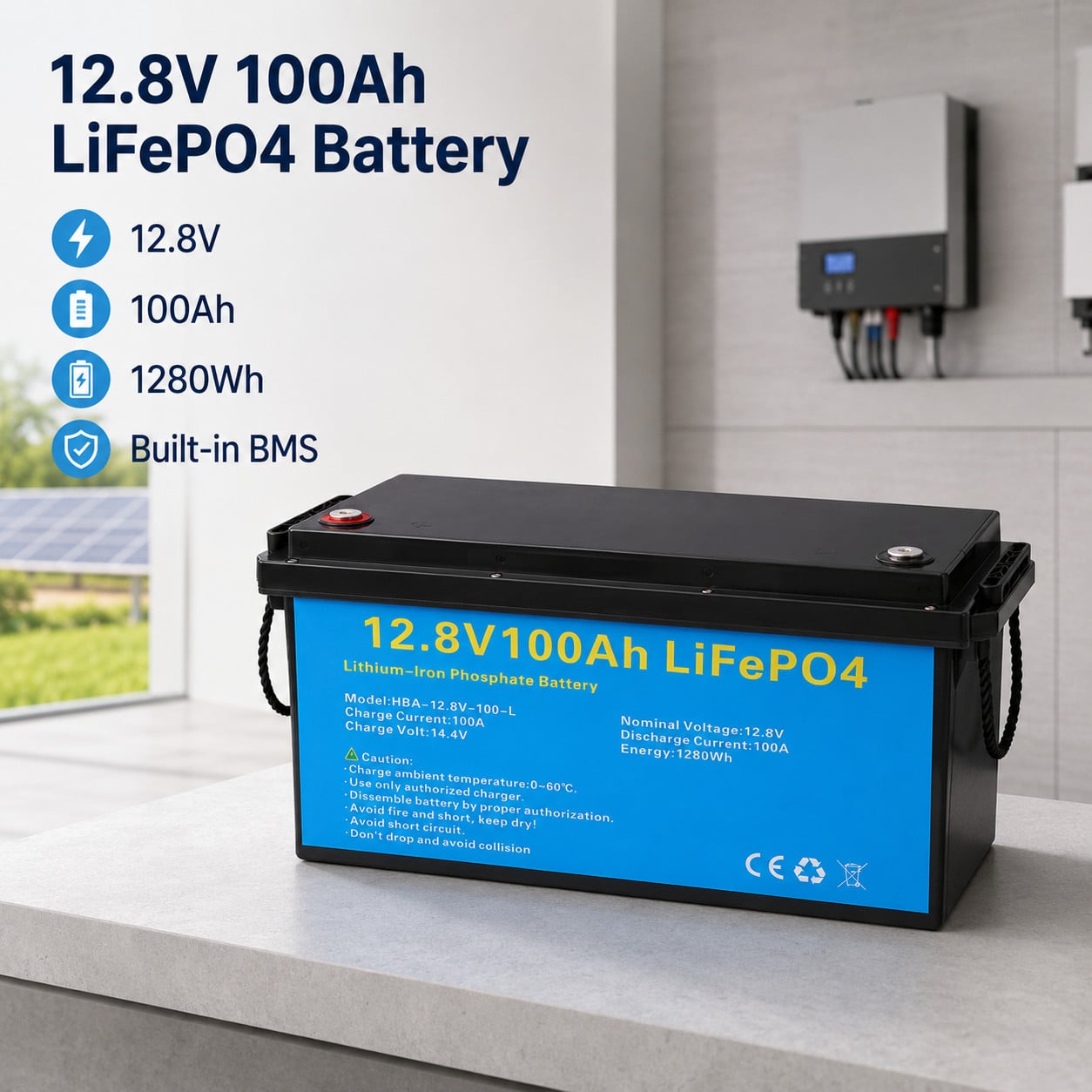
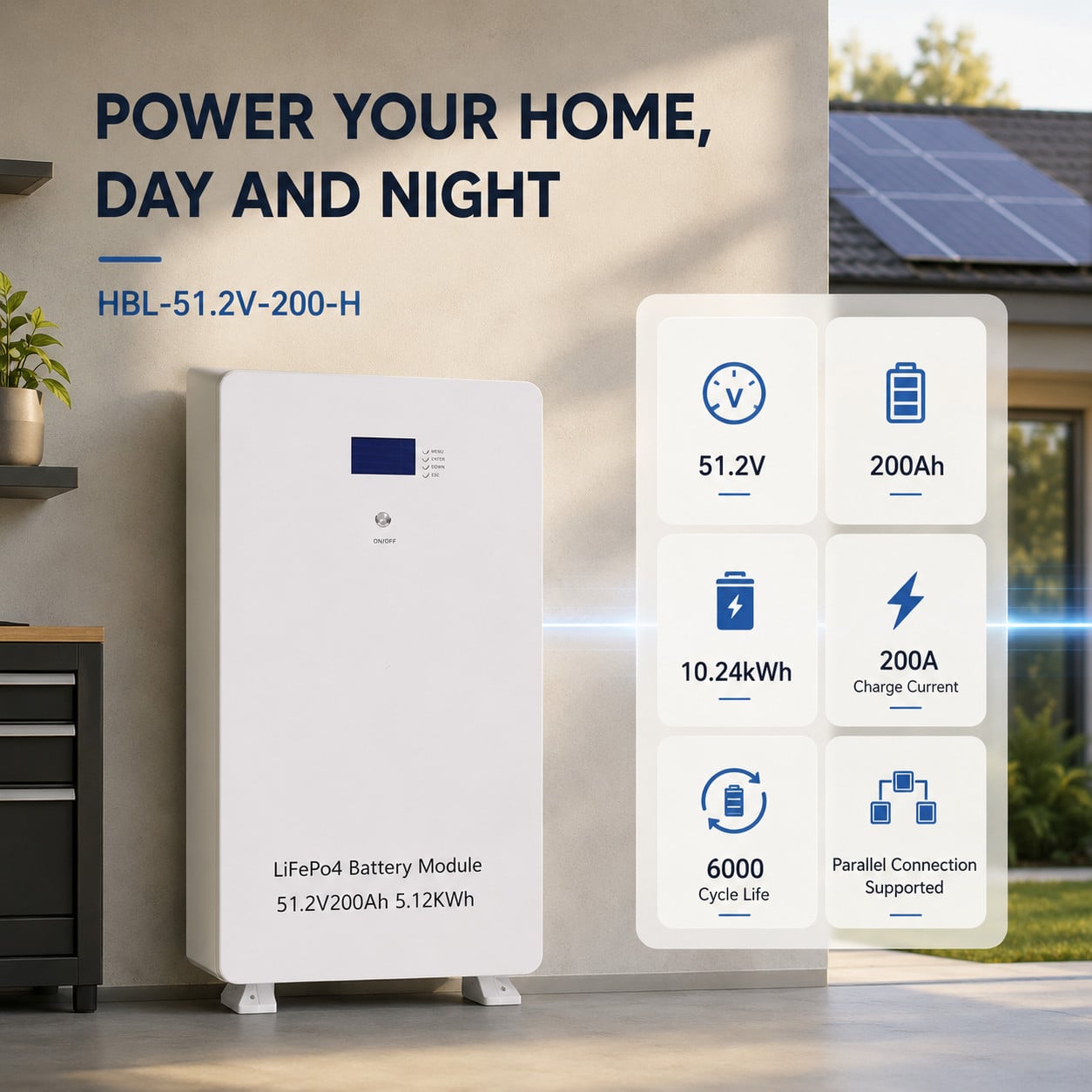
When considering wholesale suppliers for solar power storage solutions, it’s important to evaluate their reputation, product range, and support services. Shenzhen Yanshuosheng Technology Co., Ltd. stands out in this regard, offering a variety of LiFePO4 energy storage systems that come with independent Battery Management Systems (BMS) and certifications such as UN38.3 and CE. 

Buyers should seek suppliers with a proven track record in the industry, ideally those who have experience in exporting to various countries. This not only ensures product quality but also indicates the supplier’s ability to adhere to international standards. Additionally, inquire about customization options, production capacity, and lead times to ensure the supplier can meet specific project requirements. 

Key Specifications to Consider When Sourcing Solar Power Storage

When sourcing solar power storage systems, several technical specifications are crucial to ensure compatibility and performance: 

Voltage: Ensure the battery voltage matches the solar inverter and the electrical system of the home. Common voltages are 12V, 24V, and 48V. 

Efficiency: Check the round-trip efficiency, which measures how much energy is lost during the charging and discharging processes. Higher efficiency means better energy retention and savings over time. 

Safety Features: Look for batteries equipped with advanced safety features like thermal management systems and overcharge protection. This is vital for preventing hazards and ensuring reliable operation. 

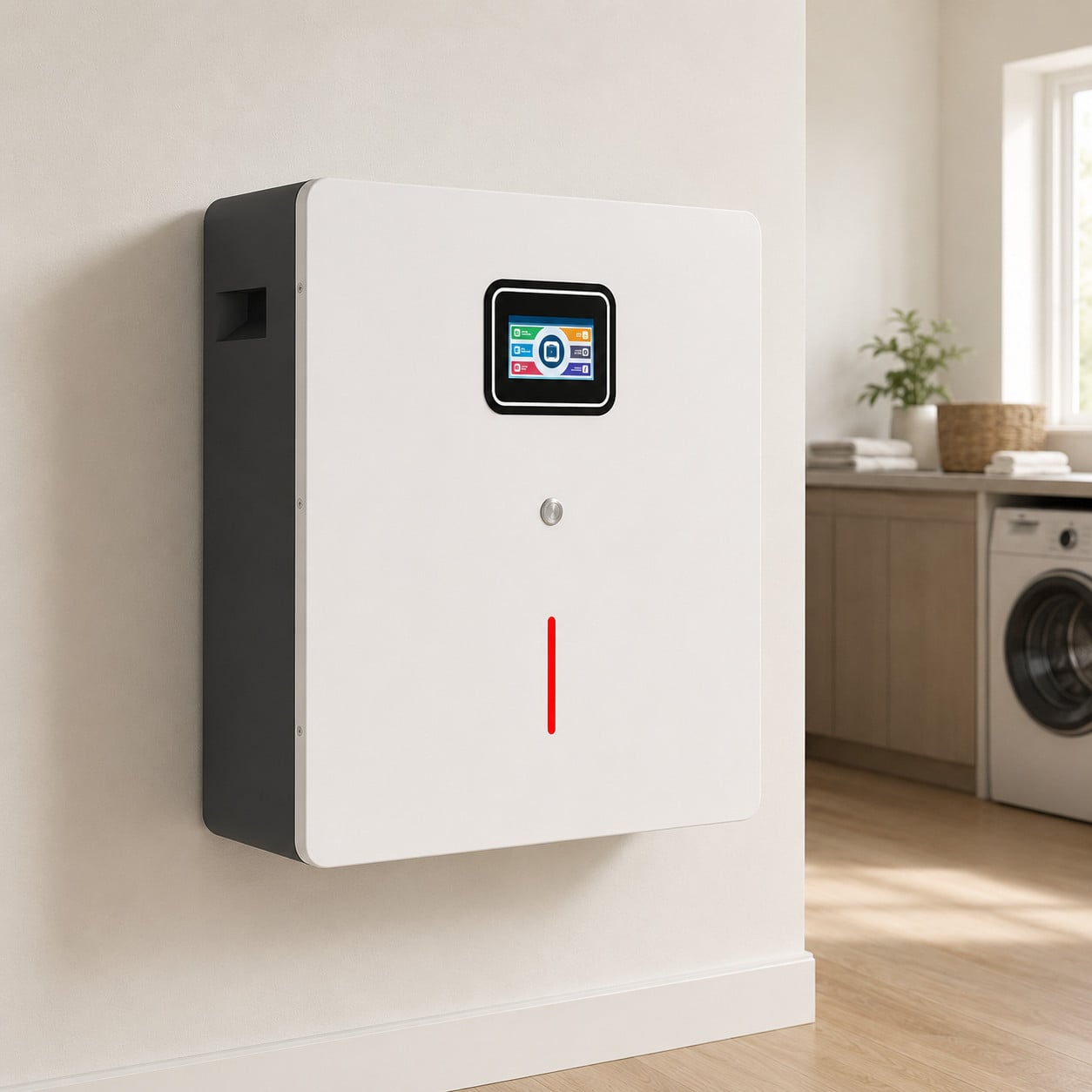
Physical Dimensions: The size and weight of the battery can impact installation. Ensure adequate space and structural support in the installation area. 

By confirming these specifications before placing orders, buyers can mitigate risks related to performance and compatibility. 

Understanding Installation Requirements for Solar Power Storage Systems

Installation of solar power storage systems requires careful planning to ensure both safety and functionality. It’s advisable to engage experienced professionals who understand local regulations and can handle the technical aspects of the installation. 

Site Assessment: A thorough site assessment is necessary to determine the most suitable location for the battery. Factors such as sunlight exposure, ventilation, and proximity to the electrical panel should be considered. 

Electrical Compatibility: The installation must comply with local electrical codes. This energy storage systems includes ensuring proper grounding and wiring connections between the solar panels, battery system, and home electrical system. 

Permit Requirements: Depending on the region, permits may be required for installation. Buyers should check with local authorities to avoid potential fines or installation delays. 

Maintenance Access: Ensure the installation allows for easy access to the battery for maintenance checks, which is essential for longevity and performance. 

By ensuring these installation requirements are met, buyers can enhance the reliability and efficiency of their solar power storage. 

Evaluating Cost Factors in Solar Power Storage Solutions for Homes

Cost is a significant factor in the decision-making process for solar power storage solutions. Various elements can influence the overall price, including: 

Initial Investment: This includes the cost of the battery itself, installation fees, and any additional equipment like inverters and wiring. 

Operational Costs: Consider the long-term operational costs, such as maintenance and potential replacement of components. 

Return on Investment (ROI): Evaluate potential savings on energy bills and any available incentives or rebates for using solar energy. This can significantly affect the overall cost-effectiveness of the investment. 

Financing Options: Explore various financing options available for storage solar systems, including loans, leases, or power purchase agreements (PPAs). Understanding financing can help manage upfront costs and improve cash flow. 

By carefully evaluating these cost factors, buyers can make informed decisions that align with their budget while maximizing the benefits of solar power storage for homes. 

In summary, understanding the essentials of solar power storage systems from selection and specifications to installation and costs enables buyers to navigate the purchasing process with confidence. For reliable solutions, companies like Shenzhen Yanshuosheng Technology Co., Ltd. offer robust options tailored for various residential applications, ensuring that both energy efficiency and safety are prioritized.  

How to Choose the Right Solar Power Storage Solutions for Homes

Selecting the right solar power storage solution involves assessing the specific energy needs of the household and the characteristics of the storage system. Key factors to consider include the capacity of the battery, its depth of discharge (DoD), and the cycle life. 

Capacity: Measured in kilowatt-hours (kWh), this indicates how much energy the battery can store. A larger capacity is essential for homes that consume more energy, particularly during peak hours. 

Depth of Discharge (DoD): This refers to how much of the battery’s capacity can be used before it needs recharging. A higher DoD means more usable energy, which is critical for maximizing the efficiency of solar power utilization. 

Cycle Life: This indicates how many charge and discharge cycles the battery can go through before its capacity significantly diminishes. Batteries with a longer cycle life will offer better long-term value. 

Understanding these parameters will help buyers align their energy requirements with the appropriate energy storage system. 

Get a Free Quote

Our representative will contact you soon.
0/1000