Wall Mounted Battery Storage Solutions

5,000+ units ready stock, 1–5 days fast global delivery

application/wall-mounted-battery-storage, application/wall-mounted-battery-storage, 
Inquiry
Inquiry

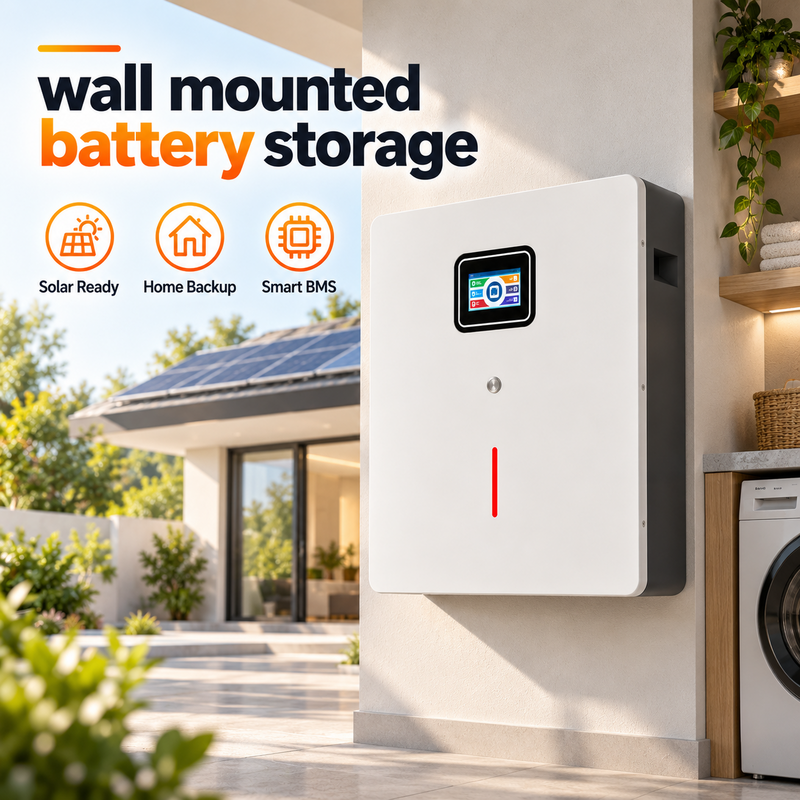
Wall mounted battery storage

Wall mounted battery storage systems are essential components in modern energy management, particularly for applications involving renewable energy sources such as solar power. These systems provide a compact, efficient solution for storing energy, making them ideal for commercial and residential use. B2B buyers, including purchasing managers and engineers, often have concerns regarding specifications, installation, and application suitability when evaluating these products. This article aims to provide a comprehensive overview of YANSHUO solar power and battery storage, helping potential buyers make informed purchasing decisions.

What to Look for in Battery Storage Solutions

What to Look for in Battery Storage Solutions

When sourcing battery storage solutions, buyers should consider several factors: 

Compatibility: Ensure that the battery storage system is compatible with existing energy systems, particularly in solar applications. Check whether the system can integrate with inverters and other components. 

Quality Control Processes: A reliable manufacturer should have stringent quality control measures in place. This includes testing for performance, safety, and durability, ensuring that the product meets the expected standards. 

Customization Options: Depending on specific applications, some buyers may require customized solutions. Discuss with suppliers their ability to accommodate unique needs, such as tailored dimensions or specialized software for energy management. 

Warranty and Support: A robust warranty indicates confidence in the product's longevity. Moreover, reliable customer support is crucial for addressing any issues that may arise post-installation. 

Pricing Factors: Understanding the total cost of ownership is vital. This includes not only the upfront cost of the battery storage system but also installation, maintenance, and potential replacement costs over time. 

Supplier Reputation: Research the supplier’s history in the market. Look for reviews and testimonials from other buyers to gauge their reliability and service quality. 

By focusing on these considerations, buyers can make informed decisions and select the most suitable battery storage solutions for their needs.

Where to Source Reliable Wall Mounted Battery Storage Suppliers

Finding trustworthy suppliers for wall mounted battery storage systems is essential for ensuring quality and reliability. Here are some strategies for sourcing suppliers: 

Industry Trade Shows: Attending trade shows and expos related to renewable energy and battery technology provides opportunities to meet suppliers, see products firsthand, and establish relationships. 

Online Marketplaces: Platforms like Alibaba or industry-specific directories can help buyers discover manufacturers and suppliers. However, it is crucial to verify the credibility of suppliers through reviews and ratings. 

Networking: Utilize industry contacts and networks to gather recommendations for reputable suppliers. Referrals from trusted sources can steer buyers toward reliable options. 

Manufacturer Websites: Research manufacturers like Shenzhen Yanshuosheng Technology Co., Ltd., which specializes in LiFePO4 energy storage systems. Reviewing their product offerings, certifications, and testimonials can assist in evaluating their expertise. 

Consulting Industry Reports: Reports from market research firms can provide insights into leading suppliers and emerging trends in the battery storage market. 

By utilizing these sourcing strategies, buyers can identify reliable suppliers that meet their requirements for wall mounted battery storage systems.

Installation Guidance for Wall Mounted Battery Storage Systems

Proper installation of wall mounted battery storage systems is critical to ensure optimal performance and safety. Here are key steps and considerations for installation: 

Site Assessment: Conduct a thorough assessment of the installation site. Factors such as wall strength, climate conditions, and proximity to existing electrical systems should be evaluated. 

Mounting Hardware: Ensure that appropriate mounting hardware is used based on the weight and dimensions of the battery storage system. This includes brackets and anchors that can support the unit's weight. 

Electrical Connections: Proper electrical connections are vital. Engage a qualified electrician to ensure that wiring conforms to local codes and standards, minimizing the risk of electrical hazards. 

Ventilation: Adequate ventilation is necessary to prevent overheating, especially in installations with multiple units. Ensure that the chosen location allows for sufficient airflow around the battery system. 

Safety Checks: Before powering up the system, perform safety checks to verify that all connections are secure, and there are no potential hazards. 

User Training: After installation, provide training for end-users on how to operate the system safely and efficiently. Understanding the system's features and maintenance requirements can enhance its lifespan. 

By following these installation guidelines, buyers can ensure that their solar pv and battery storage operate effectively and safely.

Application Scenarios for Wall Mounted Battery Storage in Industries

YANSHUO Wall mounted battery storage systems are versatile and can be applied in various industries, enhancing energy efficiency and reliability. Here are some common application scenarios: 

Solar Energy Storage: In residential and commercial solar setups, wall mounted battery systems store excess energy generated during the day for use at night or during peak demand periods, optimizing energy consumption. 

Uninterruptible Power Supply (UPS): In critical applications such as medical facilities or data centers, these systems provide backup power during outages, ensuring operational continuity. 

Electric Vehicles (EVs): With the rise of EVs, wall mounted battery storage can support charging stations, allowing for energy storage and management during peak charging times. 

Marine Applications: For boats and yachts, wall mounted battery storage offers a compact solution for energy storage, powering onboard systems and reducing reliance on traditional fuel sources. 

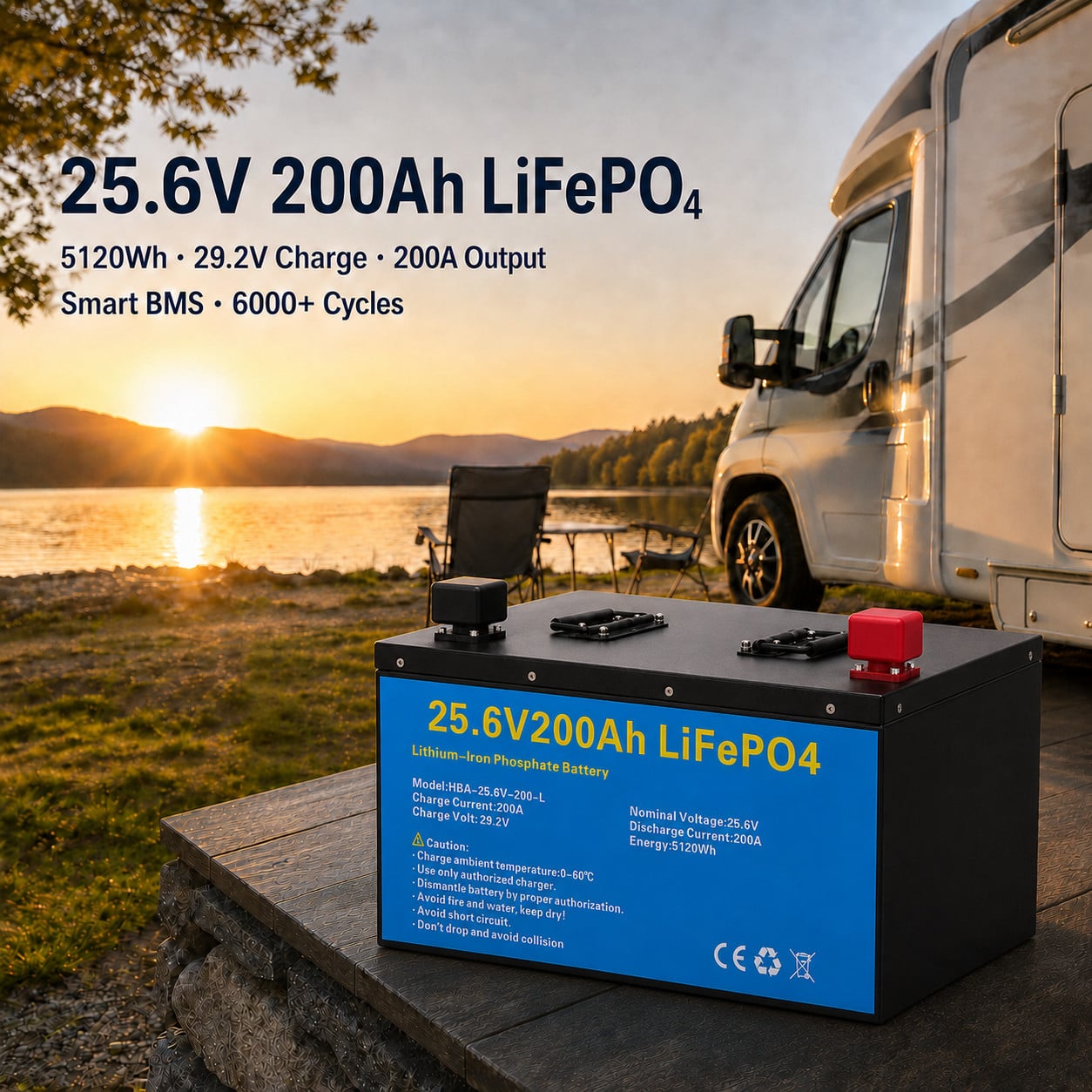
Recreational Vehicles (RVs): RV owners can benefit from wall mounted battery systems for off-grid energy storage, providing power for appliances and electronics while traveling. 

Each application scenario highlights the adaptability of wall mounted battery storage systems in meeting diverse energy needs, making them a valuable investment for various industries. 

By understanding these applications, buyers can better assess how wall mounted battery storage may fit their operational requirements.

Key Specifications of Wall Mounted Battery Storage Systems Explained

When evaluating wall mounted battery storage systems, several key specifications are critical. 

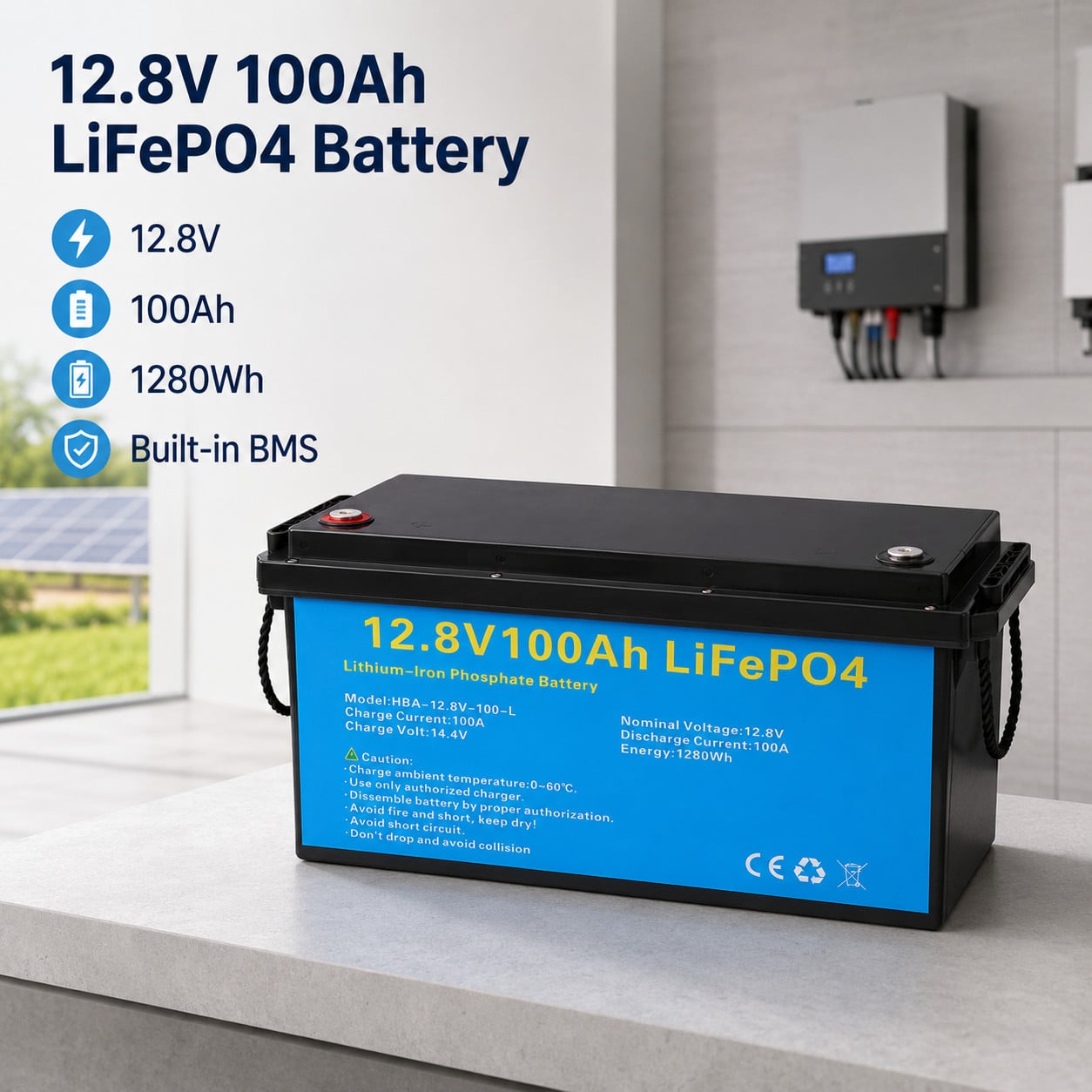
Battery Chemistry: LiFePO4 (lithium iron phosphate) is commonly used due to its safety, thermal stability, and longevity. Understanding the chemistry helps buyers assess performance and suitability for their applications.  

Capacity and Power Rating: The capacity, measured in kilowatt-hours (kWh), indicates how much energy the system can store, while the power rating (measured in kilowatts, kW) reflects the maximum output at any given time. Buyers should consider their energy needs to select an appropriate capacity and power rating. 

Dimensions and Weight: These factors are essential for assessing the installation space. A wall mounted system should fit within the designated area without compromising accessibility. 

Depth of Discharge (DoD): This specification indicates how much of the battery’s capacity can be used without damaging the battery. A higher DoD allows for more usable energy, making it a crucial consideration for buyers.  

Cycle Life: This refers to the number of complete charge and discharge cycles a battery can undergo before its capacity significantly diminishes. A longer cycle life translates to lower replacement frequency and better long-term value. 

Certifications: Look for systems with certifications like UN38.3 and CE, which ensure compliance with safety and performance standards. These certifications are critical for instilling confidence in the product's reliability. 

Understanding these specifications helps buyers evaluate the performance and suitability of solar panels and battery storage for their specific applications.

Get a Free Quote

Our representative will contact you soon.
0/1000