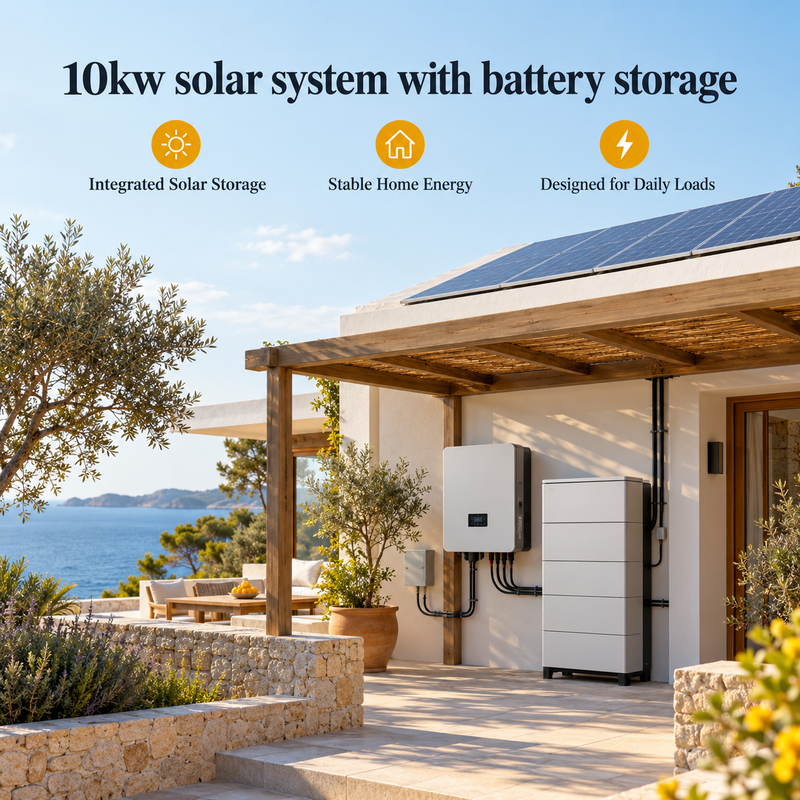
10kW Solar Systems with Battery Storage Guide

5,000+ units ready stock, 1–5 days fast global delivery

application/10kw-solar-system-with-battery-storage, application/10kw-solar-system-with-battery-storage, 
Inquiry
application/10kw-solar-system-with-battery-storage, application/10kw-solar-system-with-battery-storage, 
Inquiry

10kw solar system with battery storage

A 10kW solar system with battery storage offers a sustainable and efficient energy solution for various applications, including residential, commercial, and industrial settings. As a purchasing manager or buyer, you may have specific concerns regarding reliability, performance, and total cost of ownership. This article will guide you through selecting a reliable supplier, understanding key specifications, comparing options, and addressing common installation and operational challenges associated with 10kW solar systems. 

Key Specifications for 10kW Solar Systems with Battery Storage

Key Specifications for 10kW Solar Systems with Battery Storage

Understanding the key specifications of a 10kW solar system with battery storage is crucial for ensuring the system meets your energy needs. Here are some critical specifications to consider: 

Battery Type: The type of battery used, such as LiFePO4 (Lithium Iron Phosphate), is essential for performance and longevity. LiFePO4 batteries offer longer life cycles, greater thermal stability, and improved safety compared to traditional lead-acid batteries. 

Inverter Efficiency: The inverter converts DC power from the solar panels into AC power for your home or business. A high inverter efficiency (typically above 95%) ensures minimal energy loss during this conversion. 

System Capacity: The 10kW capacity indicates the maximum output under optimal conditions. Ensure that this capacity aligns with your energy consumption needs, taking into account peak usage times. 

Charging and Discharging Rates: These rates define how quickly the battery can store energy and how fast it can deliver energy when needed. Faster rates can improve the system's responsiveness to energy demands. 

Warranty and Lifespan: Check the warranty terms and expected lifespan of the batteries and other components. A longer warranty typically indicates the manufacturer's confidence in their product's durability. 

10kW Solar Systems vs. Competitors

When comparing 10kW solar systems with battery storage to competitors, consider the following aspects: 

Performance: Look at system efficiency, energy output, and how well the system performs under varying environmental conditions. Systems that maintain high efficiency in partial shade or during cloudy days are particularly valuable. 

Cost: Evaluate the total cost of ownership, which includes initial purchase price, installation costs, maintenance, and energy savings over time. A lower initial cost may not always result in the best long-term value. 

Customization Options: Some suppliers offer customization options that allow you to tailor the system to your specific needs, such as additional battery capacity or unique installation configurations. 

Support and Services: Assess the level of technical support and warranty options provided by competitors. A comprehensive service package can significantly reduce future costs related to maintenance and repairs. 

Installation Guidance for 10kW Solar Systems with Battery Storage

Proper installation of a 10kW solar system with battery storage is crucial for optimal performance. Here are key steps to follow: 

Site Assessment: Conduct a thorough site assessment to determine the best location for solar panels, considering factors such as sunlight exposure, roof orientation, and potential shading from nearby structures. 

Permitting and Regulations: Ensure compliance with local regulations and obtain necessary permits before installation. This may include zoning approvals and utility interconnection agreements. 

Professional Installation: Engage experienced installers who are familiar with energy storage system and battery storage. Professional installation not only ensures that the system is set up correctly but also helps in maximizing efficiency and safety. 

System Testing: Once installed, conduct a comprehensive system testing to verify that all components are functioning as intended. This includes checking electrical connections, inverter operation, and battery integration. 

Monitoring Systems: Implement monitoring solutions that allow you to track system performance in real-time. Monitoring can help identify issues early and optimize energy usage. 

Common Problems with 10kW Solar Systems and Their Solutions

Despite their advantages, 10kW solar systems with battery storage can encounter common issues. Here are some typical problems and their solutions: 

Battery Degradation: Over time, batteries may lose capacity. To mitigate this, ensure that the battery management system (BMS) regularly monitors battery health and performs necessary maintenance. 

Inverter Failures: Inverters can experience issues due to overheating or electrical faults. Regular maintenance checks and ensuring adequate ventilation during installation can help prevent these failures. 

Energy Management Issues: If energy consumption patterns are not aligned with energy generation, users may face shortages. Implementing smart energy management systems can optimize usage and storage. 

Compatibility Problems: Ensure that all components of the solar system, including batteries and inverters, are compatible. Mismatched solar energy storage solutions can lead to inefficiencies or system failures. 

By addressing these common problems proactively, buyers can enhance the longevity and efficiency of their 10kW solar systems with battery storage. 

How to Choose a Reliable Supplier for 10kW Solar Systems

When selecting a supplier for a 10kW solar system with battery storage, several factors should guide your decision. First, verify the supplier's experience and reputation in the industry. Look for established manufacturers like Shenzhen Yanshuosheng Technology Co., Ltd., which specializes in LiFePO4 energy storage systems and has a presence in over 50 countries. 

Secondly, assess the supplier's certifications, such as UN38.3 and CE, which indicate compliance with international safety and quality standards. This home solar system with battery storage ensures that you are investing in a system that meets or exceeds safety requirements and performance expectations. 

Finally, evaluate the supplier's customer service and support. A reliable supplier should provide comprehensive pre-sales and post-sales support, including technical assistance, warranty terms, and service options. This can greatly enhance your experience and satisfaction with the product. 

Get a Free Quote

Our representative will contact you soon.
0/1000