Reliable 48 Volt 200Ah Lithium Batteries for B2B Buyers

5,000+ units ready stock, 1–5 days fast global delivery

application/48-volt-200ah-lithium-battery, application/48-volt-200ah-lithium-battery, 
Inquiry
Inquiry

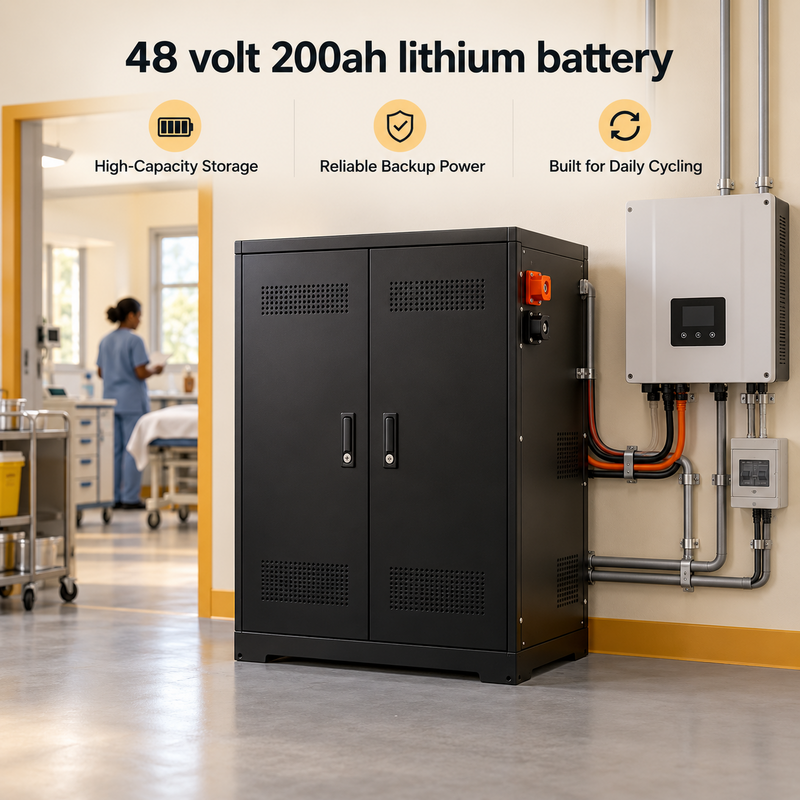
48 volt 200ah lithium battery

A 48 volt 200Ah lithium battery is a high-capacity energy storage solution commonly used in various applications, including solar energy systems, recreational vehicles (RVs), uninterruptible power supplies (UPS), and marine environments. For B2B buyers, understanding the specifications, reliability, and sourcing options of these batteries is crucial for making informed purchasing decisions. This article will help you navigate reliable supplier selection, cost factors, installation issues, and the advantages of 48v lithium battery technology, ensuring you find the best solution for your energy needs. 

Cost Factors to Consider When Sourcing 48 Volt 200Ah Lithium Batteries

Cost Factors to Consider When Sourcing 48 Volt 200Ah Lithium Batteries

Understanding the cost factors associated with sourcing 48 volt 200Ah lithium batteries can help you make informed purchasing decisions. Key components influencing the price include material costs, manufacturing processes, and order volume. LiFePO4 batteries generally have a higher initial cost than traditional lead-acid batteries, but they offer longer lifespans and better performance, making them a cost-effective choice in the long run. 

Volume discounts can significantly affect pricing; therefore, buyers should consider bulk orders to lower per-unit costs. Be aware of potential shipping charges, especially for international orders, and factor in any import duties. It's also prudent to discuss warranty terms and after-sales service costs, as these can impact the total cost of ownership. 

Where to Find Bulk Orders of 48 Volt 200Ah Lithium Batteries

Finding bulk orders of 48 volt 200Ah lithium batteries can be accomplished through various channels. Start by exploring established manufacturers like Shenzhen Yanshuosheng Technology Co., Ltd., which specializes in energy storage solutions and serves multiple international markets. Attend industry trade shows, conferences, and exhibitions to connect with suppliers and distributors directly, allowing you to assess product quality and negotiate pricing. 

Online marketplaces and B2B platforms can also facilitate bulk orders, but ensure you verify the supplier's credibility and product specifications before placing an order. Finally, consider forming partnerships with distributors or resellers who specialize in energy storage solutions, as they often have established relationships with manufacturers and can provide valuable insights into product selection and sourcing. 

Common Installation Issues with 48 Volt 200Ah Lithium Batteries and Solutions

When installing 48 volt 200Ah lithium batteries, several common issues may arise. One significant challenge is ensuring compatibility with existing systems, such as solar inverters and charge controllers. To avoid this, confirm that the voltage and current ratings align with your equipment specifications. Additionally, always adhere to manufacturer recommendations for installation to ensure optimal performance and safety. 

Another common issue is battery management system (BMS) integration. A robust BMS is essential for monitoring battery health, balancing cells, and preventing overcharging or deep discharging. If the BMS is not properly configured, it can lead to reduced battery life or performance. Buyers should seek batteries with an independent BMS that complies with industry standards, ensuring reliable operation. 

Finally, consider the environmental conditions in which the batteries will be installed. Factors such as temperature extremes, humidity, and ventilation can affect 48v 200ah lithium battery performance and lifespan. Implement appropriate measures, such as temperature control and protective enclosures, to mitigate these risks. 

Understanding the Material Advantages of 48 Volt 200Ah Lithium Batteries

The material used in 48 volt 200Ah lithium batteries significantly impacts their performance, lifespan, and safety. Lithium iron phosphate (LiFePO4) batteries are particularly noted for their thermal stability, safety, and longevity compared to other lithium chemistries, such as lithium cobalt oxide or lithium nickel manganese cobalt oxide. This makes them an excellent choice for applications requiring high discharge rates and deep cycling, such as solar storage and electric vehicles. 

LiFePO4 batteries exhibit lower self-discharge rates, which means they maintain their charge for longer periods when not in use. This characteristic can be particularly beneficial in off-grid applications where consistent energy availability is critical. Moreover, LiFePO4 batteries are less prone to overheating, reducing the risk of thermal runaway, a common concern with other battery types. 

In addition to performance, the materials used in these batteries contribute to their environmental sustainability. LiFePO4 batteries typically have a longer cycle life (up to 2,000-3,000 cycles) and can often be recycled more effectively than other types of 48 volt lithium battery, making them a more eco-friendly option in the long term. 

By understanding these material advantages, B2B buyers can make more informed choices that align with their environmental goals and operational requirements. 

In summary, when sourcing 48 volt 200Ah lithium batteries, it's crucial to choose a reliable supplier, understand cost factors, address installation challenges, and recognize the advantages of the materials used. With this knowledge, buyers can confidently make decisions that enhance their energy storage solutions and operational efficiency.  

How to Choose a Reliable Supplier for 48 Volt 200Ah Lithium Batteries

When selecting a reliable supplier for 48 volt 200Ah lithium batteries, it’s essential to consider several key factors. First and foremost, verify the reliable  supplier's certifications, such as UN38.3 and CE, which demonstrate compliance with international safety and performance standards. Look for a supplier with a solid reputation in the industry, check reviews, client testimonials, and case studies.  

Additionally, evaluate the supplier's manufacturing capabilities. A reliable manufacturer should have an established production process, quality control measures, and the ability to customize products to meet specific requirements. For instance, Shenzhen Yanshuosheng Technology Co., Ltd. has experience in producing lithium iron phosphate (LiFePO4) batteries, ensuring that their offerings are durable and efficient. Finally, consider their after-sales support and warranty policies, which can provide peace of mind regarding product reliability and maintenance. 

Get a Free Quote

Our representative will contact you soon.
0/1000