Guide to Lithium Ion Battery 200Ah Prices

5,000+ units ready stock, 1–5 days fast global delivery

application/lithium-ion-battery-200ah-price, application/lithium-ion-battery-200ah-price, 
Inquiry
Inquiry

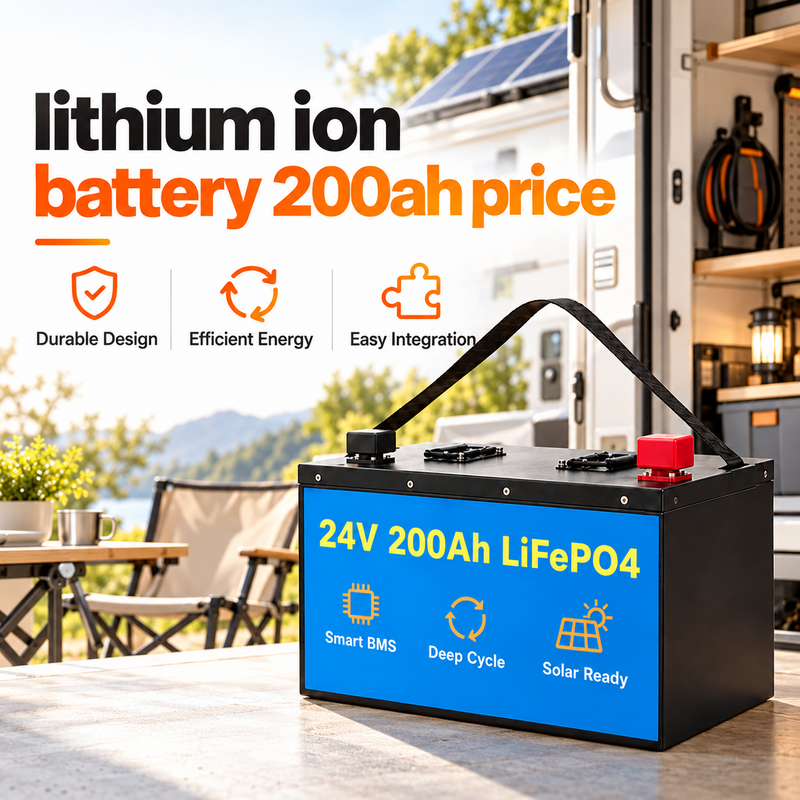
Lithium ion battery 200ah price

Lithium-ion batteries, particularly those with a capacity of 200Ah, are increasingly vital in various industries, from renewable energy storage to recreational vehicles (RVs) and marine applications. Understanding the lithium ion battery 200Ah is crucial for purchasing managers and engineers looking to optimize their energy solutions. This lithium battery inverter price article will explore how to compare prices from different suppliers, key specifications to consider, important factors in choosing the right battery, installation guidance for various applications, and common issues along with their solutions.

For wholesale buyers,

For wholesale buyers,

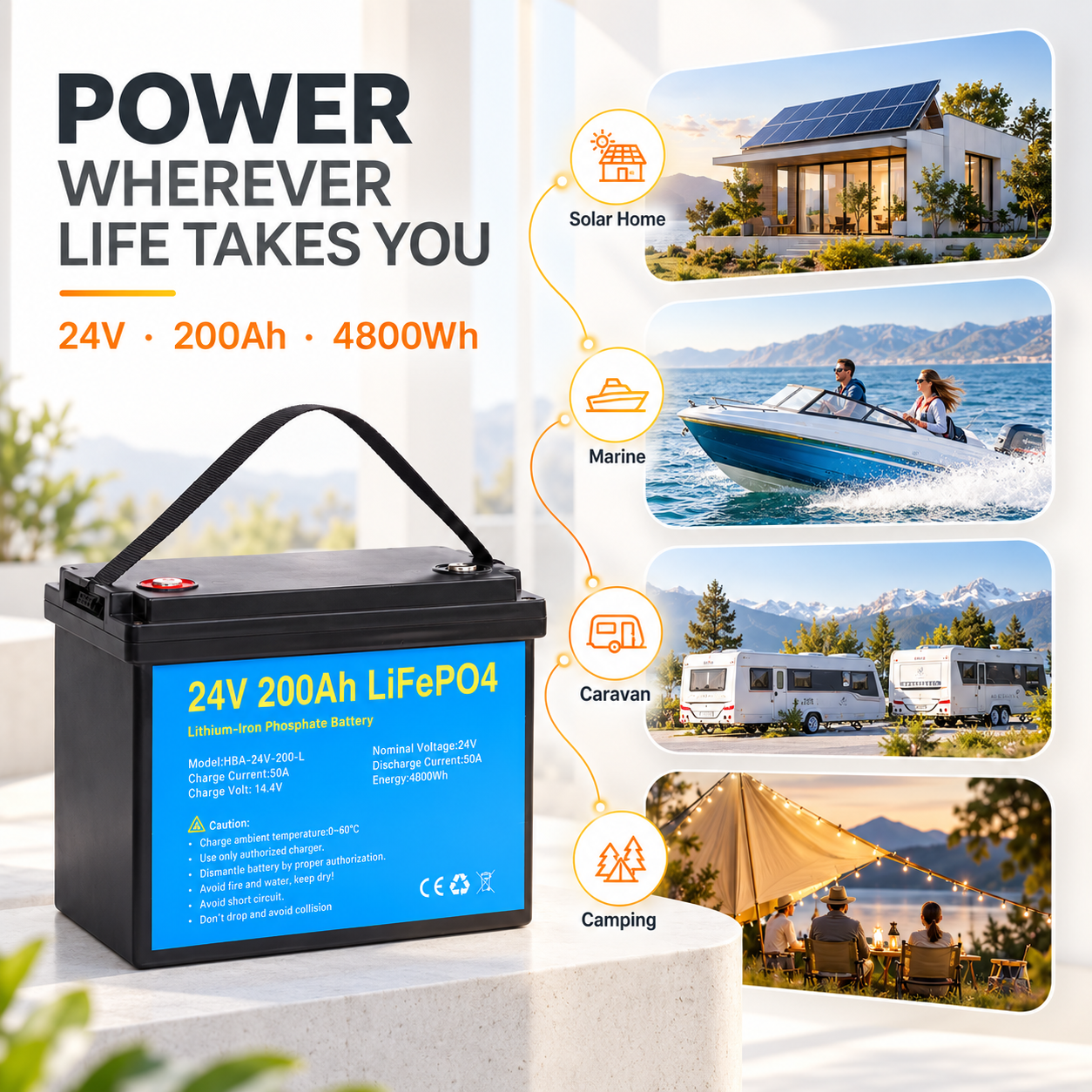
For wholesale buyers, understanding the key specifications of a 200Ah lithium-ion battery is critical. Here are the specifications that matter most:  

Voltage: Typically, lithium-ion batteries operate at nominal voltages of 12V, 24V, or 48V. Ensure that the selected voltage aligns with your application requirements. Cycle Life: This refers to the number of charge-discharge cycles the battery can undergo before its capacity significantly diminishes, usually measured in thousands of cycles. Discharge Rate: Expressed in C-rates, this indicates how quickly a battery can discharge its stored energy. A higher C-rate is beneficial for applications requiring quick bursts of power. Weight and Dimensions: The single battery inverter price physical size and weight can affect installation and transportation, especially in RV or marine applications. BMS Features: A robust Battery Management System enhances safety and longevity by preventing overcharging, deep discharging, and temperature fluctuations. 

Understanding these specifications will aid buyers in selecting a battery that is not only cost-effective but also suitable for their intended application. 

Selecting the right lithium-ion battery

Selecting the right lithium-ion battery involves evaluating several factors beyond just price. Here are key considerations: 

Application Suitability: Determine if the battery is intended for solar energy storage, RV use, UPS systems, or marine applications. Each application may have unique requirements regarding discharge rates and environmental resistance. Quality Control Standards: Investigate the manufacturing processes and quality control standards of the supplier. High-quality batteries often undergo rigorous testing to ensure performance and safety. Customization Options: Some suppliers, like Shenzhen Yanshuosheng Technology Co., Ltd., may offer customization options tailored to specific applications or performance needs.Minimum Order Quantity (MOQ): Suppliers may have different MOQs, which can impact overall purchase costs, especially for bulk purchases. Lead Time: Confirm production and shipping timelines, especially if the batteries are needed for a specific project or deadline. 

These key specifications of lithium ion battery 200Ah factors will help ensure that the selected battery meets both performance and budgetary requirements. 

Proper installation of a 200Ah lithium-ion battery

Proper installation of a 200Ah lithium-ion battery is crucial for optimal performance. Here are some guidelines for different applications: 

Solar Energy Systems: Ensure the battery installation guidance for lithium ion battery 200Ah is placed in a location that minimizes exposure to extreme temperatures. Connect the battery to the inverter and charge controller according to the manufacturer’s specifications to avoid damage. RV Applications: Consider the weight distribution when installing the battery to maintain vehicle balance. Use appropriate connectors and fuses to secure the installation and prevent electrical hazards. UPS Systems: Ensure that the battery is installed in a ventilated area to prevent overheating. Regularly check connections and battery health to avoid operational downtime. Marine Applications: Secure the battery to prevent movement during travel. Ensure all connections are waterproof and resistant to corrosion due to the maritime environment. 

Following these installation guidelines will enhance battery longevity and performance. 

Despite their advantages

Despite their advantages, lithium-ion batteries can encounter certain issues. Here are common problems along with their solutions: 

Overcharging: This can lead to battery swelling and damage. To prevent this, always use a compatible charger with a built-in BMS that manages charge levels effectively. Temperature Sensitivity: Lithium-ion batteries may degrade faster in extreme temperatures. Ensure that the battery is installed in a climate-controlled environment or use thermal management systems. Self-Discharge: Over time, lithium-ion batteries can self-discharge, leading to reduced capacity. Regularly check battery levels and employ maintenance charging schedules to keep the battery healthy. Connection Issues: Poor connections can lead to voltage drops and erratic performance. Regularly inspect all connections and ensure they are secure and free from corrosion. 

By being aware of these common issues and their solutions, buyers can improve the reliability and lifespan of their lithium-ion batteries. 

understanding the nuances of lithium-ion batteries, particularly in the 200Ah category, is crucial for B2B buyers.  By considering price comparisons, key specifications, selection criteria, installation guidance, and common problems, purchasing managers can make informed decisions that align with their operational needs. 

When comparing prices for lithium-ion batteries

When comparing prices for lithium-ion batteries, it’s essential to gather comprehensive quotes from multiple suppliers. The tubular inverter battery price of a 200Ah lithium-ion battery can vary significantly based on several factors, including the manufacturer’s reputation, battery specifications, and additional features such as battery management systems (BMS) and certifications. 

Buyers should request detailed quotations that include: 

Battery Specifications: Ensure that lithium ion battery 200Ah price specifications such as voltage, cycle life, and discharge rates are clearly stated. Certifications: Look for compliance with international standards like UN38.3 and CE, which can affect safety and reliability. Warranty Terms: A longer warranty can indicate confidence in the product quality. Shipping and Handling Costs: Consider these costs in total pricing for better comparisons. 

Additionally, assess the supplier's service reputation, as after-sales support can significantly impact overall satisfaction. 

Get a Free Quote

Our representative will contact you soon.
0/1000