Comparing Solar Backup Battery Costs and Benefits

5,000+ units ready stock, 1–5 days fast global delivery

application/solar-backup-battery-cost, application/solar-backup-battery-cost, 
Inquiry
Inquiry

Solar backup battery cost

Understanding the solar backup battery cost is essential for businesses looking to invest in reliable energy storage solutions. As companies increasingly turn to solar power for sustainability and cost-effectiveness, purchasing managers must consider various factors that influence pricing. This article will explore what to consider when comparing YANSHUO solar battery backup system costs, how to select the right battery, quality factors in manufacturing, relevant applications, and the benefits of LiFePO4 technology. 

How to Choose the Right Solar Backup Battery for Your Needs

How to Choose the Right Solar Backup Battery for Your Needs

Selecting the right solar backup battery involves assessing specific requirements based on your application. Start by identifying your energy consumption patterns and peak usage times. For instance, businesses that operate primarily during daylight hours may benefit from a battery system that stores energy generated during the day for evening use. 

Next, consider the compatibility of the battery with your existing solar system. Ensure that the voltage and current ratings of the battery align with your solar panels and inverter. Choosing a battery with a suitable depth of discharge (DoD) is also essential; LiFePO4 batteries typically allow for a higher DoD, maximizing usable capacity without compromising lifespan. 

Customization options should also be explored. Depending on your specific application, you may require certain modifications or additional features, such as built-in monitoring systems or enhanced safety features. Discuss these needs with your supplier to ensure you receive a solution tailored to your operational requirements. 

Evaluating Quality Factors in Solar Backup Battery Manufacturing

Quality is paramount when it comes to solar backup batteries. Key factors to consider in the manufacturing process include the materials used, production capabilities, and quality control measures in place. LiFePO4 batteries, for instance, are known for their safety and stability, making them a popular choice in various applications. 

Examine the certification status of the manufacturer. Certifications like UN38.3 and CE indicate that the products meet international safety and performance standards. These YANSHUO solar battery backup for home certifications not only enhance reliability but can also affect your purchasing decision, as they are often prerequisites for installation in certain jurisdictions. 

Additionally, inquire about the supplier's manufacturing capabilities and experience in the industry. A reputable manufacturer should have robust quality control processes, from raw material selection to final testing of the batteries. Understanding these factors can help ensure that you are investing in a product that will perform reliably over its intended lifespan. 

Applications of Solar Backup Batteries Across Various Industries

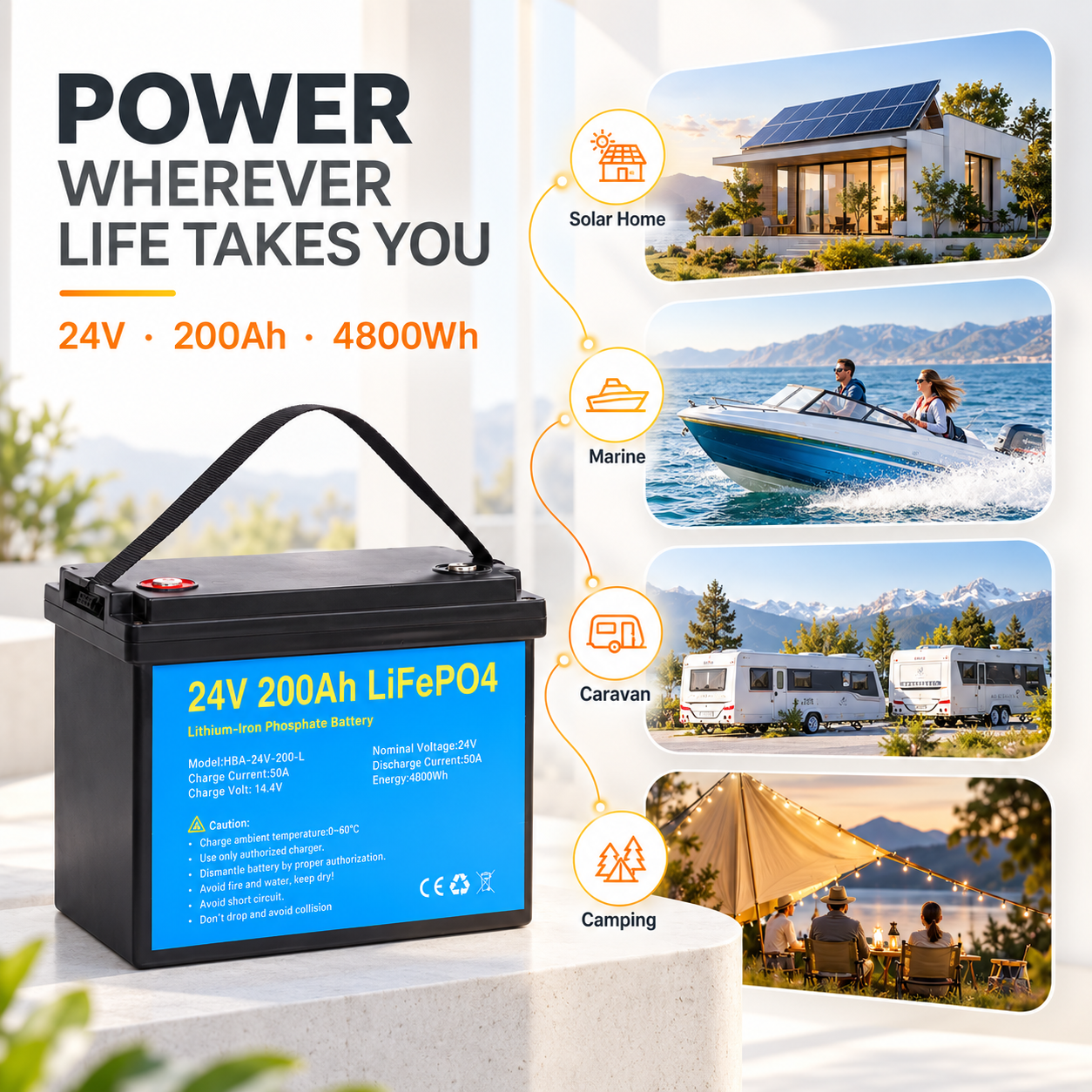
Solar backup batteries have applications across diverse sectors, including residential, commercial, and industrial settings. In residential applications, these batteries store solar energy for home use, allowing homeowners to reduce reliance on the grid and lower energy costs. For commercial enterprises, battery systems can provide backup power during outages, ensuring business continuity. 

In the industrial sector, solar backup batteries are often integrated into larger energy management systems. They support operations in manufacturing plants, data centers, and warehouses, where consistent power supply is critical. Additionally, industries such as marine and RV applications leverage solar backup batteries for off-grid energy solutions, enhancing the versatility of solar power. 

Understanding the specific requirements and benefits of battery systems in your industry can help guide your purchasing decisions and optimize energy usage. 

Benefits of LiFePO4 for Energy Storage Solutions

LiFePO4 batteries offer several advantages, making them a preferred choice for solar energy storage. Firstly, they exhibit a longer cycle life compared to traditional lead-acid batteries, often lasting up to 10 years or more. This longevity translates to lower replacement costs and reduced environmental impact. 

Another significant benefit is their enhanced safety profile. LiFePO4 batteries are less prone to thermal runaway, making them a safer option for various applications. This YANSHUO solar battery backup system for home reliability is crucial in commercial and industrial settings, where safety regulations are stringent. 

Moreover, LiFePO4 batteries deliver consistent performance across a wide temperature range and can handle a higher depth of discharge, allowing users to access more of their stored energy without damaging the battery. This capability is particularly advantageous in applications with many variable energy in demands. 

In summary, when considering solar backup battery costs, it's essential to factor in not just the price but also the specific needs of your application, the quality of the product, and the advantages of using LiFePO4 technology. By understanding these elements, businesses can make informed decisions that align with their energy goals and budget constraints. 

What to Consider When Comparing Solar Backup Battery Costs

When evaluating solar backup battery costs, several factors come into play. First, determine the battery type and its capacity, typically measured in kilowatt-hours (kWh). LiFePO4 batteries, such as those produced by Shenzhen Yanshuosheng Technology Co., Ltd., offer various capacities tailored for different applications, from residential to commercial use. 

Next, consider the total cost of ownership, which includes the initial purchase price, installation costs, maintenance, and expected lifespan. Batteries with longer lifespans may have higher upfront costs but could save money in the long run due to reduced replacement frequency. Additionally, inquire about the manufacturer's warranty and any certifications, such as UN38.3 and CE, which ensure safety and reliability. 

Finally, evaluate your energy needs and usage patterns to determine the appropriate battery configuration. A higher capacity may be necessary for businesses with significant energy demands, while smaller systems may suffice for less intensive applications. 

Get a Free Quote

Our representative will contact you soon.
0/1000