Solar Battery Storage Solutions for Distributors

5,000+ units ready stock, 1–5 days fast global delivery

application/solar-battery-storage-solutions, application/solar-battery-storage-solutions, 
Inquiry
Inquiry

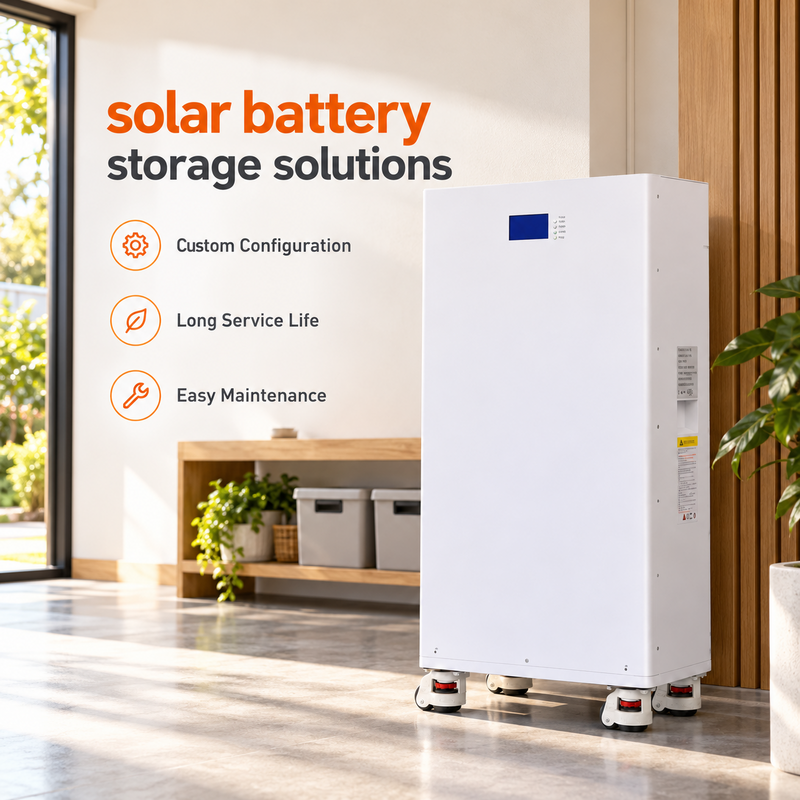
Solar battery storage solutions

Solar battery storage solutions have become an essential aspect of energy management for businesses and residential properties alike. By utilizing LiFePO4 energy storage systems, companies can optimize energy use, reduce costs, and enhance sustainability. However, as a purchasing manager or distributor, your concerns may include ensuring product reliability, understanding technical specifications, and evaluating total cost of ownership. This car battery power inverter article aims to address these key concerns by providing insights into solar battery storage solutions, focusing on their specifications, installation guidance, common challenges, and effective solutions.

When evaluating solar battery storage solutions

When evaluating solar battery storage solutions

When evaluating solar battery storage solutions, several key specifications should be considered: 

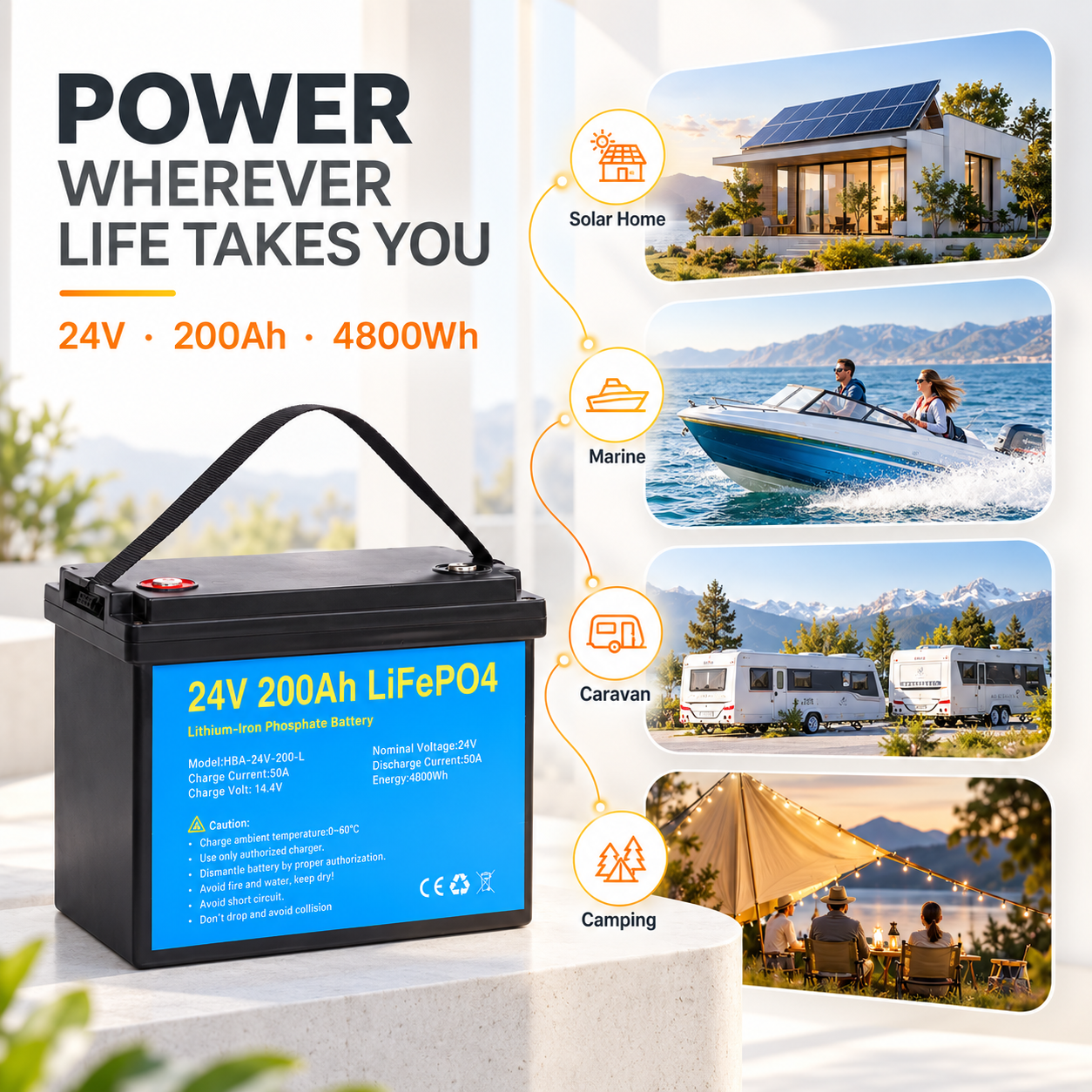
Battery Chemistry: LiFePO4 (Lithium Iron Phosphate) batteries are known for their stability, safety, and longevity. They typically have a cycle life of up to 6000 cycles, making them suitable for long-term applications. 

Capacity and Depth of Discharge (DoD): Capacity is usually measured in kilowatt-hours (kWh) and determines how much energy the battery can store. A higher DoD allows for more usable capacity, which can be critical for operations requiring consistent energy supply. 

Efficiency: This portable inverter with battery refers to how much energy can be utilized from the battery compared to what is stored. Higher efficiency rates (above 90%) indicate less energy loss during charging and discharging cycles. 

Temperature Range: Proper functioning across various temperatures is vital for reliability. Look for batteries that can operate within a wide temperature range, ensuring performance in diverse environmental conditions. 

Safety Features: Independent Battery Management Systems (BMS) are crucial for preventing overcharging, overheating, and short-circuiting. This not only ensures safety but also enhances the lifespan of the battery. 

Understanding these specifications helps in selecting the right battery for specific applications, ensuring that it meets performance requirements while also aligning with cost considerations. 

The total cost of solar battery storage

The total cost of solar battery storage solutions encompasses several factors beyond the initial purchase price. Here are the primary cost considerations: 

Material Costs: The 12v battery inverter quality of materials used in the battery affects both performance and longevity. Higher-quality materials may lead to higher upfront costs but can result in savings over time due to lower maintenance and replacement needs. 

Installation Costs: Proper installation is critical for optimal performance. Hiring qualified technicians for installation can increase initial expenses but ensures that the system operates efficiently from the start. 

Maintenance and Warranty: Factor in ongoing maintenance costs and warranty terms. A longer warranty period can provide peace of mind and reduce potential future costs. 

Energy Savings: Analyze how much energy the system can save over time. The return on investment (ROI) should consider reductions in energy bills, especially in areas with high electricity costs. 

Customization Options: Customizable solutions may incur additional costs but can be tailored to specific energy needs, enhancing overall efficiency and value. 

Buyers should evaluate these cost factors comprehensively to understand the financial implications of their investment in solar battery storage systems. 

Proper installation of solar battery storage systems

Proper installation of solar battery storage systems is key to maximizing performance and longevity. Here are essential considerations: 

Site Assessment: Conduct a thorough site assessment to determine the best location for installation. Factors such as sunlight exposure, temperature conditions, and structural support can significantly impact performance. 

Electrical Compatibility: Ensure that the solar battery storage system is compatible with existing solar panels and inverters. Mismatched systems can lead to inefficiencies and potential equipment damage. 

Safety Protocols: Follow all safety protocols during installation. This includes proper ventilation, grounding, and adherence to local regulations. Safety features in the battery and BMS should align with the installation environment. 

Monitoring Systems: Incorporate monitoring systems that can track performance metrics. This allows for real-time adjustments and maintenance alerts, ensuring the system operates at peak efficiency. 

Professional Installation: Engaging professionals with experience in solar battery installations is recommended. They can address specific challenges and ensure compliance with all technical and safety standards. 

By following these installation guidelines, buyers can enhance the performance and reliability of their solar battery storage solutions, ultimately leading to better energy management. 

While solar battery storage systems

While solar battery storage systems are generally reliable, several common issues can arise. Understanding these problems and their solutions is crucial for maintaining optimal performance: 

Overheating: This can occur due to poor ventilation or excessive charging. Solutions include ensuring proper installation with adequate airflow and utilizing BMS features that regulate temperature. 

Capacity Loss: Over time, batteries may experience capacity degradation. To mitigate this, ensure that the batteries are operated within recommended DoD limits and avoid deep discharges. 

Connection Issues: Poor connections can lead to performance issues and safety concerns. Regularly inspect connections and wiring, ensuring they are secure and free from corrosion. 

Software Bugs in BMS: Occasionally, software issues can affect battery management systems. Keeping firmware updated and consulting with manufacturers for troubleshooting can help resolve these issues swiftly. 

Incompatible Components: Using mismatched components can lead to inefficiencies and failures. Always confirm compatibility between solar panels, inverters, and battery systems before installation. 

By proactively addressing these common problems, buyers can enhance the longevity and efficiency of their solar battery storage systems, ensuring they achieve the intended energy savings and operational benefits. 

Distributors play a critical role

Distributors play a critical role in the supply chain of solar battery storage solutions. When selecting products, it is essential to prioritize reliability and performance. Look for batteries that are certified, such as those with UN38.3 and CE certifications, which indicate compliance with international safety standards. 

Additionally, small inverter with battery consider the product's application versatility. Batteries designed for solar, RV, UPS, and marine applications offer distributors a broader market reach. Understanding the specific needs of each application will help in selecting the right product mix for your customer base. 

Another essential factor is the Minimum Order Quantity (MOQ). Establishing a favorable MOQ can enhance your inventory management and reduce holding costs. It's crucial to communicate with manufacturers like Shenzhen Yanshuosheng Technology Co., Ltd. regarding their production capacity to align with your purchasing strategy effectively. 

Get a Free Quote

Our representative will contact you soon.
0/1000