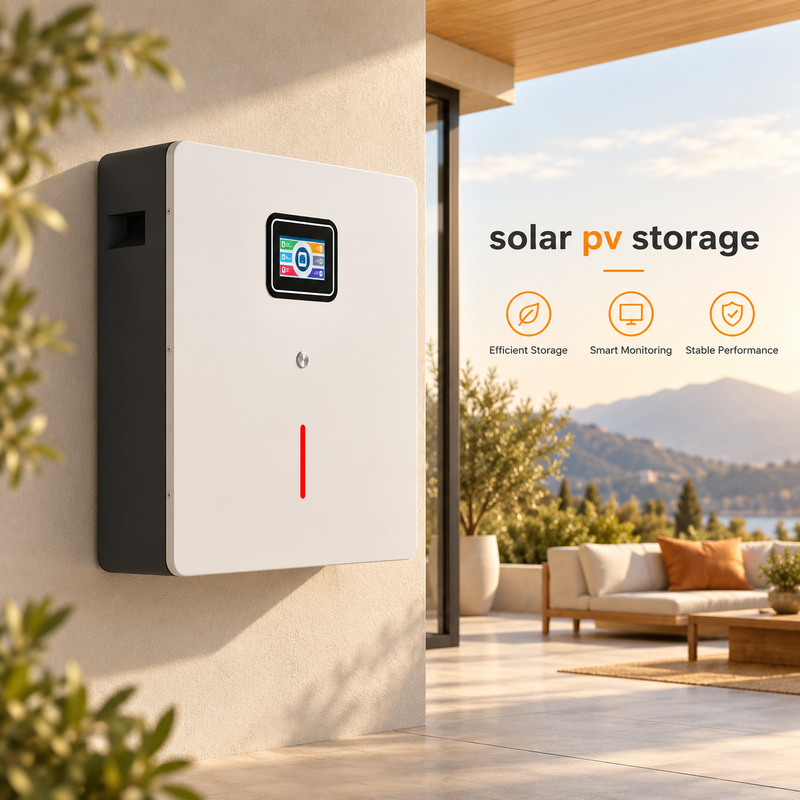
Choosing the Right Solar PV Storage Solutions

5,000+ units ready stock, 1–5 days fast global delivery

application/solar-pv-storage, application/solar-pv-storage, 
Inquiry
Inquiry

Solar pv storage

Solar PV storage systems are essential for businesses looking to optimize their energy usage and reduce costs. These systems, particularly LiFePO4 energy storage solutions, provide reliable and efficient storage of solar energy, making them a smart investment for companies in various sectors. As a purchasing manager or engineer, understanding the key factors involved in selecting the right  solar pv and battery storage solutions is crucial. This article will help you navigate the complexities of solar PV storage, from choosing the right LiFePO4 energy storage systems to recognizing reliable suppliers, thereby empowering you to make informed purchasing decisions.

Reliable Suppliers of LiFePO4 Energy Storage Systems

Reliable Suppliers of LiFePO4 Energy Storage Systems

Identifying a reliable supplier is fundamental when investing in solar PV storage systems. Look for manufacturers like Shenzhen Yanshuosheng Technology Co., Ltd., which specializes in LiFePO4 energy storage systems and has established a reputation across 50 countries. 

Key factors to evaluate in a supplier include their certification status, such as UN38.3 and CE certifications, which provide assurance of product safety and compliance with international standards. Furthermore, inquire about their production capabilities and quality control processes, as these elements directly influence product reliability. 

A supplier’s experience in exporting to your region can also be an advantage, as it often reflects their ability to navigate logistics and regulatory requirements effectively. Additionally, consider their customization capabilities, as many businesses have unique energy storage needs that may require tailored solutions. 

What Buyers Should Know

When preparing to purchase solar PV storage systems, buyers should gather specific information to facilitate the quoting process. This includes the desired battery capacity, estimated energy consumption patterns, and any customization requirements. Providing precise details can help suppliers deliver accurate quotations. 

Also, inquire about minimum order quantities (MOQ) and lead times. These factors can significantly affect your budget and project timelines. For example, larger orders may lead to better pricing, but understanding the lead time is essential for planning. 

Before finalizing a purchase, always request samples or prototype units. Testing these under actual operating conditions allows you to evaluate performance and compatibility, ensuring they meet your specific battery storage system requirements. 

Lastly, be prepared to discuss installation and maintenance needs. Understanding these aspects will help you assess the total cost of ownership and the long-term feasibility of the storage solution. 

Tips for Contractors

Contractors involved in the installation of solar PV storage systems should pay close attention to several key aspects. First, ensure that the installation site is suitable for the chosen system. This includes evaluating factors like temperature ranges, moisture exposure, and spatial constraints. 

It is also crucial to follow the manufacturer's installation guidelines strictly. Each system may have specific requirements for electrical connections, mounting, and integration with existing components. Failing to adhere to these guidelines can lead to performance issues or safety hazards. 

Contractors should also provide comprehensive training for end-users. This includes educating them on system maintenance and monitoring, as well as how to optimize energy usage based on their specific consumption patterns. Proper training can help maximize the system's efficiency and longevity. 

Lastly, keep abreast of industry trends and technological advancements. The solar storage landscape is evolving rapidly, and staying informed can help contractors recommend the best solutions to their clients. 

Exploring Applications of Solar PV Storage in Various Industries

Solar PV storage systems have diverse applications across various industries, making them versatile solutions for energy management. In the manufacturing sector, these systems can provide backup power during outages, ensuring uninterrupted operations and reducing reliance on grid power. This is particularly beneficial for facilities that operate critical machinery requiring stable energy inputs. 

In the residential sector, LiFePO4 energy storage systems enable homeowners to store excess solar energy generated during the day for use at night. This not only reduces electricity bills but also promotes energy independence, appealing to environmentally conscious consumers. 

The RV and marine sectors also benefit significantly from solar PV storage solutions. These applications require lightweight, compact, and efficient energy storage systems to support off-grid living or travel. LiFePO4 batteries meet these requirements, offering a reliable power source while minimizing weight. 

Lastly, in the UPS (Uninterruptible Power Supply) market, integrating solar PV storage systems can enhance the reliability of backup power solutions. This is particularly relevant for industries that cannot afford downtime, such as healthcare or data centers. 

Investing in the right solar PV storage systems tailored to your industry’s needs can lead to significant operational savings and sustainability benefits. Understanding the specifics of each application allows buyers to optimize their choices and achieve the best performance outcomes. 

Choosing the Right Solar PV Storage Solutions for Your Business Needs

When selecting a solar PV storage system, it’s important to consider several critical factors. First, assess your energy requirements. Calculate your peak energy usage and the total amount of energy you need to store daily. This will guide you in choosing the energy capacity of the energy storage system. 

Next, evaluate the specific characteristics of LiFePO4 batteries, known for their long cycle life, safety, and performance stability. These batteries are particularly suited for applications in solar energy systems due to their ability to cycle deeply without significant degradation, unlike traditional lead-acid batteries. 

Additionally, consider the depth of discharge (DoD) and round-trip efficiency of the storage solution. The DoD indicates how much energy you can use from the battery compared to its total capacity, while round-trip efficiency measures how much energy is lost during the charging and discharging processes. A higher DoD and efficiency are preferable for maximizing energy savings. 

Lastly, ensure compatibility with your existing solar panel system, as well as any inverters or other equipment involved in energy management. This compatibility is crucial for seamless integration and optimal performance. 

Get a Free Quote

Our representative will contact you soon.
0/1000