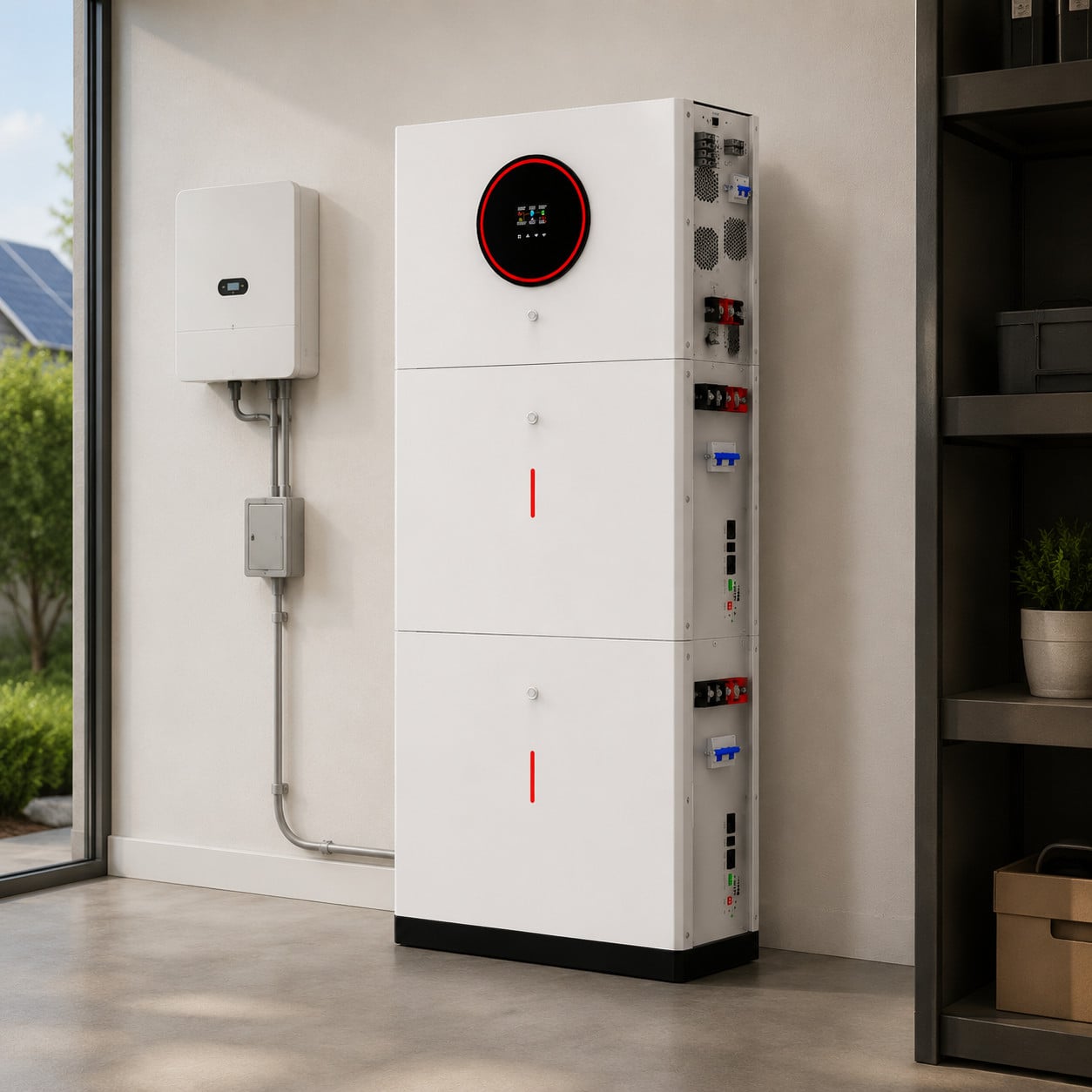
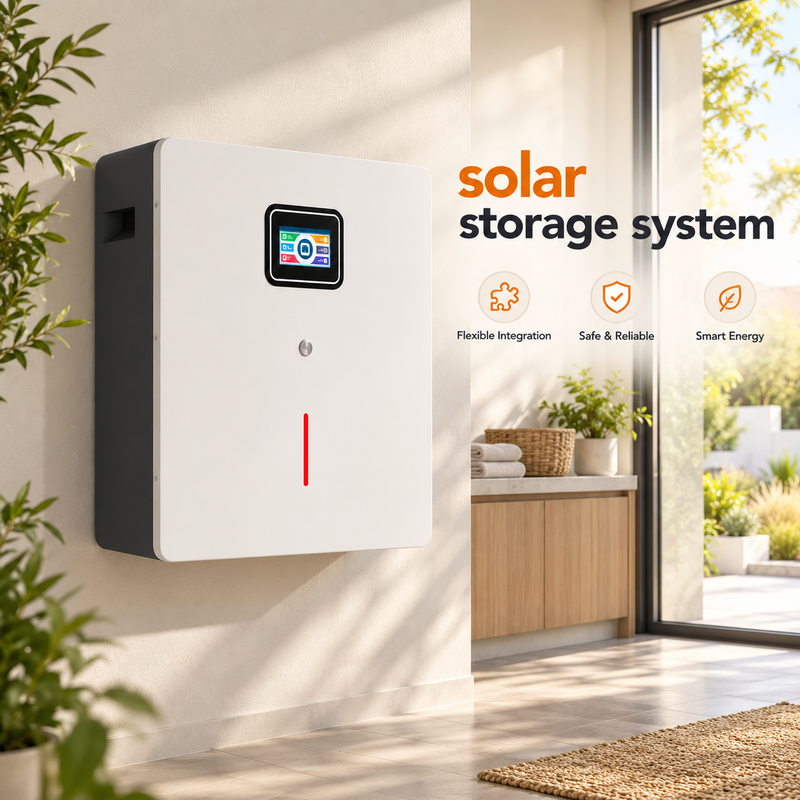
Choosing the Right Solar Storage System

5,000+ units ready stock, 1–5 days fast global delivery

application/solar-storage-system, application/solar-storage-system, 
Inquiry
Inquiry

Solar storage system

Solar storage systems are essential components of modern renewable energy solutions, particularly in applications involving solar energy. These systems store excess energy generated during peak sunlight hours for use when the sun is not shining, addressing the key concerns of energy reliability and efficiency for businesses. As a purchasing manager or engineer, understanding the intricacies of energy storage system, especially the advantages provided by LiFePO4 materials, is critical to making an informed decision. This article will guide you through the selection process, key specifications, reliable suppliers, common installation issues, and the benefits of LiFePO4 technology.

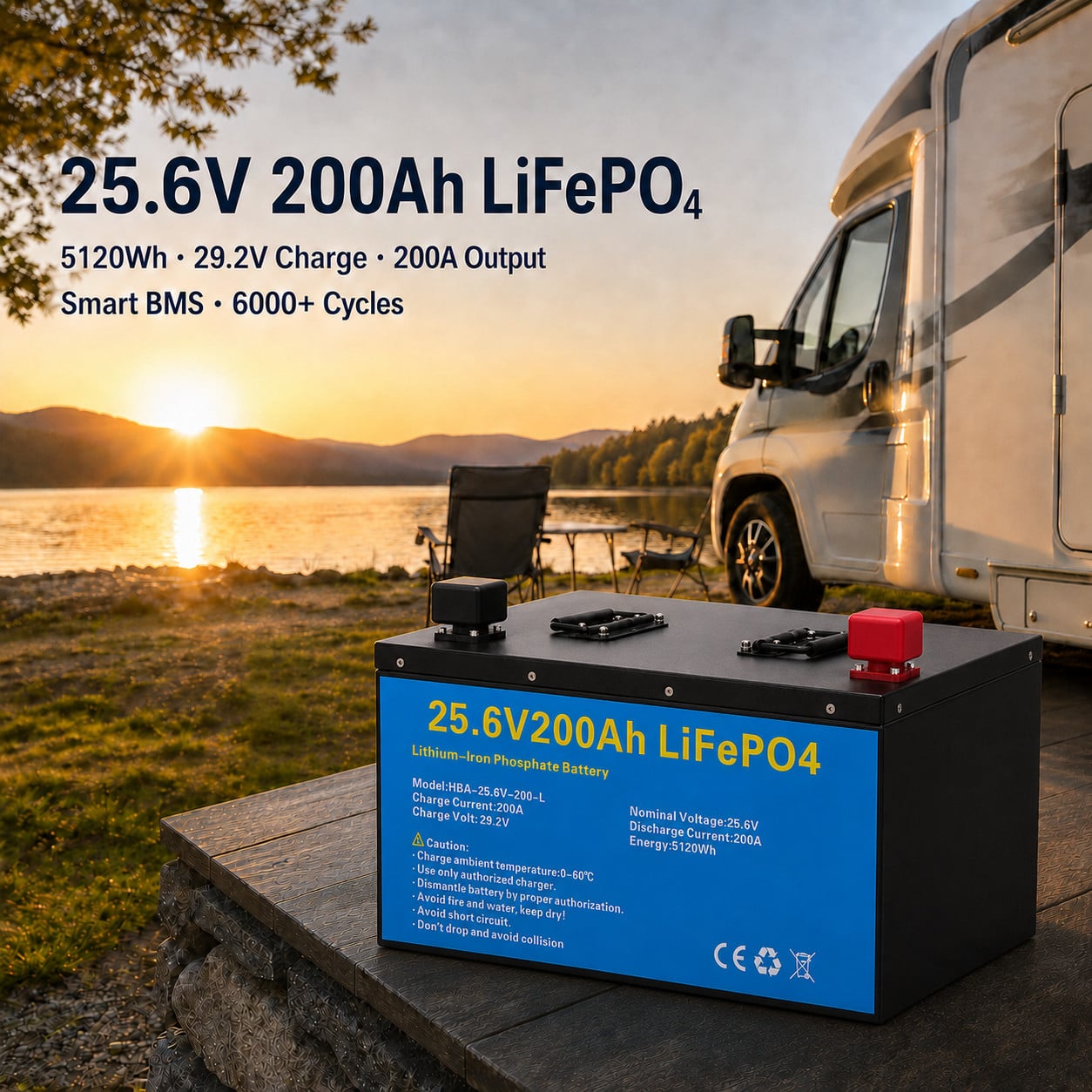
Key Specifications to Evaluate in LiFePO4 Solar Storage Systems

Key Specifications to Evaluate in LiFePO4 Solar Storage Systems

When assessing LiFePO4 solar storage systems, several key specifications are crucial for ensuring the system meets your performance and safety standards: 

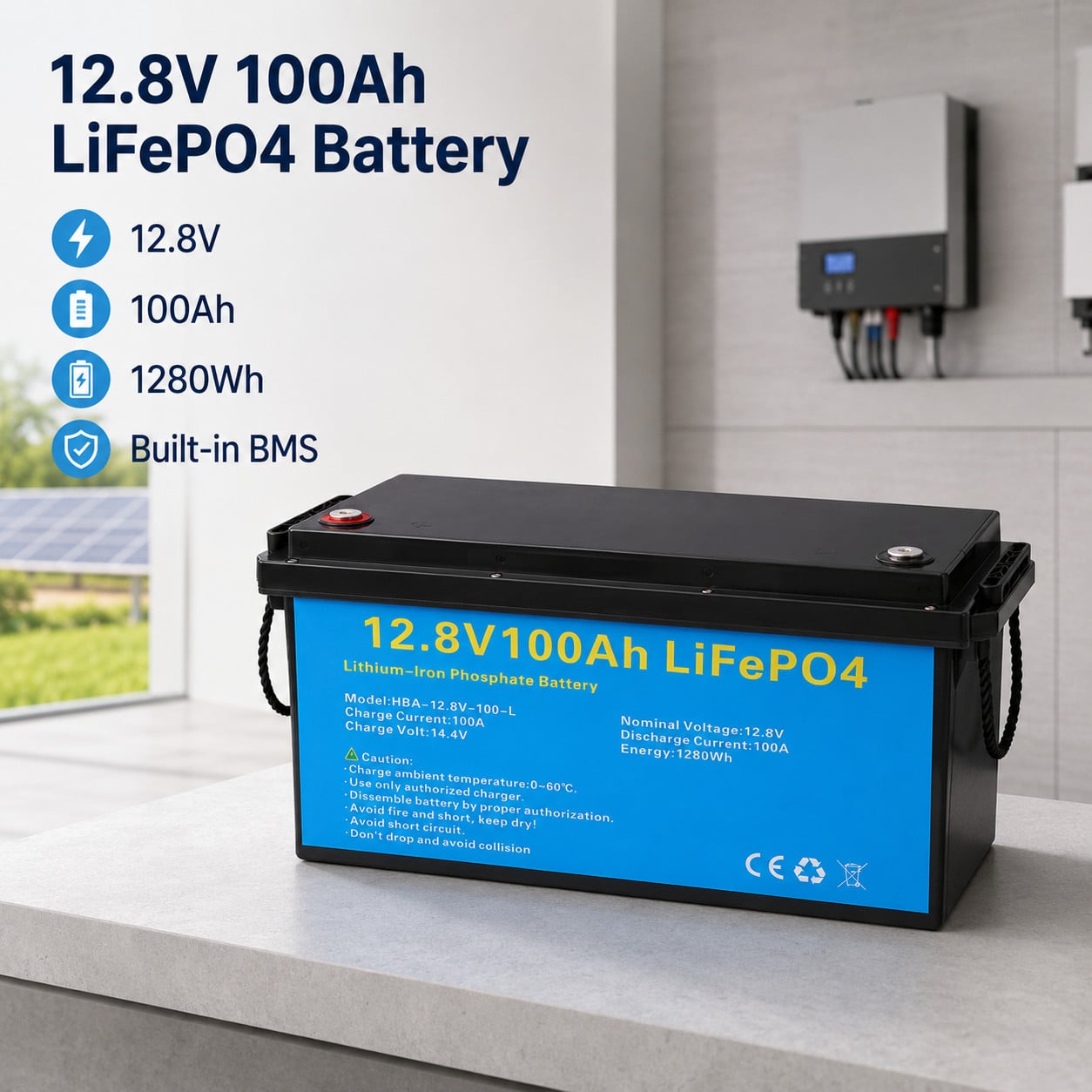
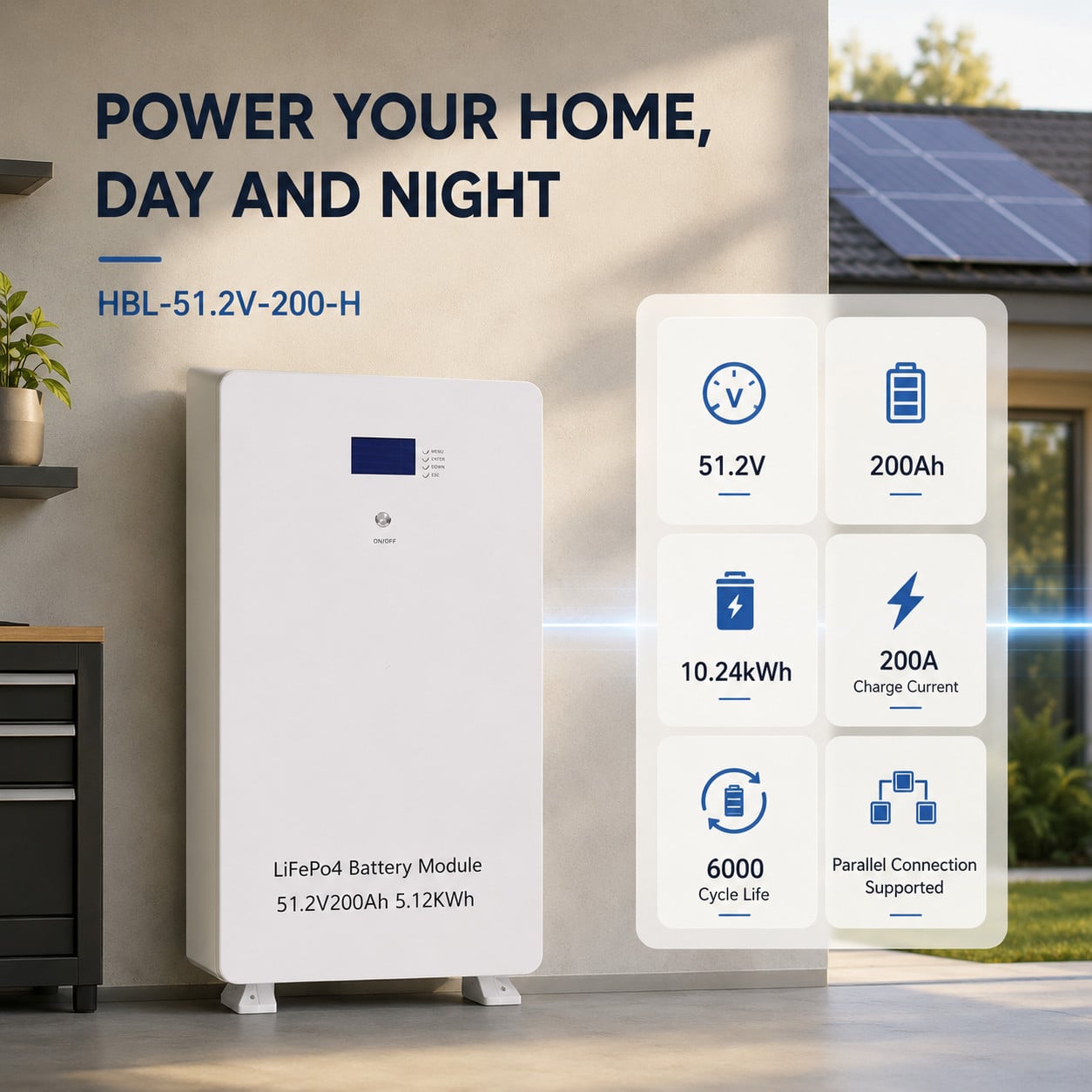
Capacity: The total energy storage capacity, usually expressed in kWh, determines how much energy can be stored for later use. Ensure it aligns with your anticipated energy needs. 

Depth of Discharge (DoD): This specification indicates the percentage of the battery's capacity that can be used without compromising its lifespan. A higher DoD means more usable energy. 

Cycle Life: This measures the number of charge-discharge cycles the battery can undergo before its capacity diminishes significantly. LiFePO4 batteries typically offer a longer cycle life, making them a cost-effective choice over time. 

Efficiency: Look for the round-trip efficiency rate, which shows how much energy is lost during the storage and retrieval process. Higher efficiency translates to better overall performance. 

Safety Ratings: Ensure the system has relevant certifications, such as UN38.3 and CE, which indicate compliance with international safety standards.

Where to Find Reliable Suppliers for Solar Storage Solutions

Finding a trustworthy supplier for solar storage systems requires diligence. Start by researching manufacturers known for their expertise in LiFePO4 technology, such as Shenzhen Yanshuosheng Technology Co., Ltd., which specializes in energy storage systems and has a strong export presence in over 50 countries. 

When evaluating potential suppliers, consider the following criteria: 

Reputation: Look for reviews or case studies from previous customers to gauge the supplier's reliability and product quality. 

Certifications: Confirm that the supplier’s products meet international certifications, ensuring compliance with safety and performance standards. 

Customization Options: A good supplier should offer customization capabilities to tailor the home energy storage system to your specific application and requirements. 

After-Sales Support: Reliable suppliers provide robust after-sales service and technical support, which is crucial for maintenance and troubleshooting. 

Common Installation Issues with Solar Storage Systems and Solutions

Installation of YANSHUO solar storage systems can present several challenges. Here are some common issues and their solutions: 

Sizing and Space Constraints: Often, businesses underestimate the space required for installation. It’s essential to assess the installation site thoroughly and ensure adequate space for both the solar panels and storage systems. 

Electrical Compatibility: Compatibility with existing electrical systems can be problematic. Ensure that the chosen solar storage system is compatible with your inverters and other components to avoid operational issues. 

Temperature Sensitivity: LiFePO4 batteries operate optimally within a specific temperature range. Installing the system in a temperature-controlled environment can enhance performance and longevity.

Wiring and Safety Codes: Adhering to local electrical codes and regulations is crucial. Engage a qualified technician for installation to ensure all safety standards are met.

By anticipating these potential issues and addressing them proactively, you can facilitate a smoother installation process.

Advantages of LiFePO4 Materials in Solar Storage Applications

YANSHUO LiFePO4 (Lithium Iron Phosphate) batteries have emerged as a preferred choice for solar storage systems due to their numerous advantages: 

Safety: LiFePO4 batteries are less prone to thermal runaway compared to other lithium-ion batteries, making them a safer option for energy storage. 

Longevity: With a cycle life that can exceed 5,000 cycles, LiFePO4 batteries provide a longer lifespan, translating to lower replacement costs over time.

Stability: These batteries maintain stable performance across a wider temperature range and offer consistent voltage output, which is critical for energy reliability. 

Eco-Friendliness: LiFePO4 is considered a more environmentally friendly option compared to other lithium battery materials, as it does not contain toxic heavy metals.

Efficiency: High round-trip efficiency ensures that a greater portion of the stored energy is usable, maximizing the return on investment for businesses.

when selecting a solar storage system, consider the specific needs of your application, the key specifications of LiFePO4 systems, and the reliability of potential suppliers. Understanding common installation challenges and the advantages of the materials used will help you make a well-informed purchasing decision. So, trust on our brand, now! 

How to Choose the Right Solar Storage System for Your Needs

Selecting the appropriate solar storage system involves evaluating several key factors that align with your specific energy requirements. First, assess the energy capacity you need, which is typically measured in kilowatt-hours (kWh). This capacity should reflect your daily energy consumption patterns and the peak energy output of your solar panels. 

Next, consider the system's compatibility with your existing solar setup and any other energy sources, such as generators or grid systems. Additionally, evaluate the technology behind the storage solution; for instance, battery storage system are known for their stability, safety, and longer cycle life compared to traditional lead-acid batteries. Finally, factor in installation requirements, space constraints, and your budget, as these elements will influence both the initial investment and long-term operational costs.

Get a Free Quote

Our representative will contact you soon.
0/1000