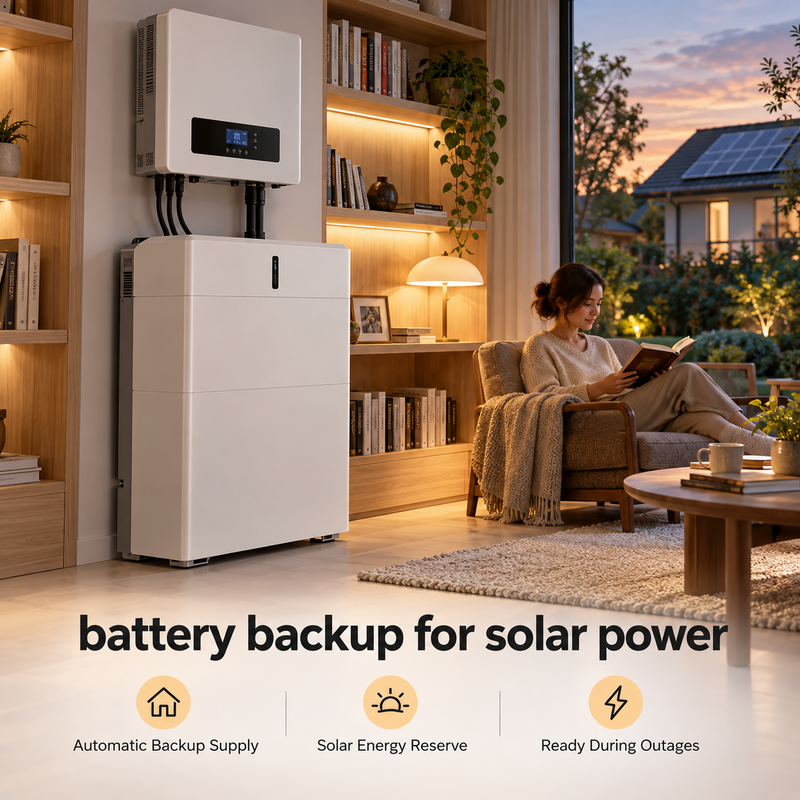
Choosing Battery Backup for Solar Power Systems

5,000+ units ready stock, 1–5 days fast global delivery

application/battery-backup-for-solar-power, application/battery-backup-for-solar-power, 
Inquiry
Inquiry

Battery backup for solar power

Battery backup systems for solar power are essential for ensuring energy reliability, especially in residential and commercial applications. These systems store excess energy generated from solar panels, allowing users to utilize this power during periods of low generation or outages. When considering a battery backup for solar power, B2B buyers often have concerns about capacity, compatibility, cost, and overall performance. This article will provide practical insights to help you navigate the selection process and make informed decisions about battery inverter backup systems. 

Key Specifications to Evaluate in Solar Battery Backup Systems

Key Specifications to Evaluate in Solar Battery Backup Systems

When evaluating solar battery backup systems, several technical specifications are crucial for ensuring optimal performance and suitability for your applications: 

Voltage Rating: Match the battery voltage with your solar system's inverter. Common voltages include 48V or 12V systems. Mismatched voltages can lead to inefficiencies or system failures. 

Efficiency: This indicates how much of the stored energy can be used. Look for battery storage system with a higher round-trip efficiency, typically over 90%, to maximize your energy use. 

Temperature Range: Batteries can operate effectively within specific temperature ranges. Ensure that your selected battery can withstand the environmental conditions of your installation site without performance degradation. 

Weight and Size: Consider the physical dimensions and weight of the battery, especially if space is limited. This can affect installation options and overall system design. 

Warranty and Support: Check the warranty terms offered by the manufacturer. A longer warranty often reflects confidence in product reliability and performance. 

Cost Factors to Consider When Buying Solar Battery Solutions

Understanding the full cost structure of solar battery solutions is crucial for budgeting and financial planning. Here are some factors to consider: 

Initial Purchase Price: This includes the cost of the battery itself, which can vary significantly based on capacity, technology, and manufacturer. LiFePO4 batteries tend to have a higher upfront cost but offer longer lifespans and better performance. 

Installation Costs: Factor in the costs for professional installation, which can include labor, materials, and any additional components necessary for system integration. 

Operational Costs: Consider potential maintenance and operational expenses. While many modern systems require minimal maintenance, it's essential to account for any possible repairs or replacements over time. 

Incentives and Rebates: Research available government incentives or rebates for solar energy storage systems, which can offset initial costs. These can vary by region and may significantly impact your total investment. 

Total Cost of Ownership: Analyze the long-term savings on energy bills and potential income from excess energy sales when calculating the total cost of ownership. A slightly higher initial investment could pay off through energy savings over the battery's lifespan. 

Exploring Applications of Battery Backup in Renewable Energy Projects

Battery backup systems serve various applications within renewable energy projects, providing flexibility and reliability: 

Residential Use: Homeowners can use battery backups to store solar energy for use during nighttime or power outages, enhancing energy independence. 

Commercial Applications: Businesses often use battery systems to manage peak demand charges, reducing energy costs by discharging stored energy during high-demand periods. 

Off-Grid Solutions: In off-grid scenarios, battery backups are vital for providing a continuous power supply, especially in remote areas where grid access is limited. 

Electric Vehicles (EVs): Battery systems are increasingly integrated with EV charging stations, allowing users to charge their vehicles with solar energy. 

Integration with Smart Grids: Advanced battery systems can contribute to grid stability by providing demand response capabilities and storing energy during peak generation times for later use. 

How to Bulk Order Battery Backups for Your Solar Installations

When planning for bulk orders of battery backups for solar installations, follow these steps to ensure a smooth procurement process: 

Define Your Requirements: Prepare a detailed list of specifications, including capacity, voltage, and any customization needs. This clarity helps manufacturers provide accurate quotations. 

Select Reliable Manufacturers: Research and shortlist manufacturers with proven track records in producing high-quality battery systems. Look for certifications that ensure compliance with safety and performance standards. 

Request Quotes: Reach out to selected manufacturers with your specifications and request quotes. Be clear about your intended order volume, delivery timelines, and any specific packaging requirements. 

Evaluate Samples: Before finalizing a bulk order, request samples to assess quality and compatibility with your existing systems. Testing samples under actual operating conditions can identify potential issues. 

Negotiate Terms: Discuss payment terms, lead times, and warranties. Establishing favorable terms can lead to better pricing and support for future orders. 

Plan for Logistics: Ensure that shipping and handling logistics are in place to manage delivery effectively. Confirm how the products will be packaged to minimize damage during transport. 

By following these guidelines, you can make informed decisions regarding battery backups for solar power, ensuring that you select the right systems for your specific needs and applications. 

Choosing the Right Battery Backup for Your Solar Power Needs

Selecting the right battery backup for solar power requires an understanding of your specific energy needs and system compatibility. The most common types of batteries used in these systems are Lithium Iron Phosphate LiFePO4 batteries, which are known for their safety, longevity, and efficiency. 

When choosing a battery, consider the following: 

Capacity: This refers to the amount of energy the battery can store, typically measured in kilowatt-hours (kWh). Assess your daily energy consumption to determine the required capacity. 

Depth of Discharge (DoD): This metric indicates how much of the battery's capacity can be used without damaging it. A higher DoD allows for more usable energy, which can be critical during extended outages. 

Cycle Life: This is the number of complete charge-discharge cycles a good battery for inverter can undergo before its capacity significantly diminishes. A longer cycle life means reduced replacement frequency and potentially lower long-term costs. 

Compatibility: Ensure that the battery system is compatible with your existing solar inverter and other components. This includes checking the voltage specifications and communication protocols. 

Safety Features: Look for batteries with built-in Battery Management Systems (BMS) that monitor performance and ensure safety during operation. Certifications such as UN38.3 and CE can also provide assurance of reliability and safety standards. 

Frequently Asked Questions

What is this battery backup for solar power?

A LiFePO4 energy storage system for residential and commercial solar, offering deep-cycle performance for solar, RV, UPS, and marine applications with independent BMS and safety certifications.
Our batteries carry UN38.3 and CE certifications and feature an independent battery management system (BMS) to ensure safety and compliance.
Runtime depends on capacity and load; typical deep-cycle LiFePO4 provides longer cycle life and stable discharge—contact us with load details for specific estimates.
Yes—our storage systems are compatible with most solar inverters. Provide inverter model and system specs to verify compatibility and any required configuration.
We supply to over 50 countries and support technical guidance for installation. Local installation services may vary; we provide documentation and remote assistance.

Get a Free Quote

Our representative will contact you soon.
0/1000