Home Energy Storage System Manufacturers Guide

5,000+ units ready stock, 1–5 days fast global delivery

application/home-energy-storage-system-manufacturers, application/home-energy-storage-system-manufacturers, 
Inquiry
application/home-energy-storage-system-manufacturers, application/home-energy-storage-system-manufacturers, 
Inquiry

Home energy storage system manufacturers

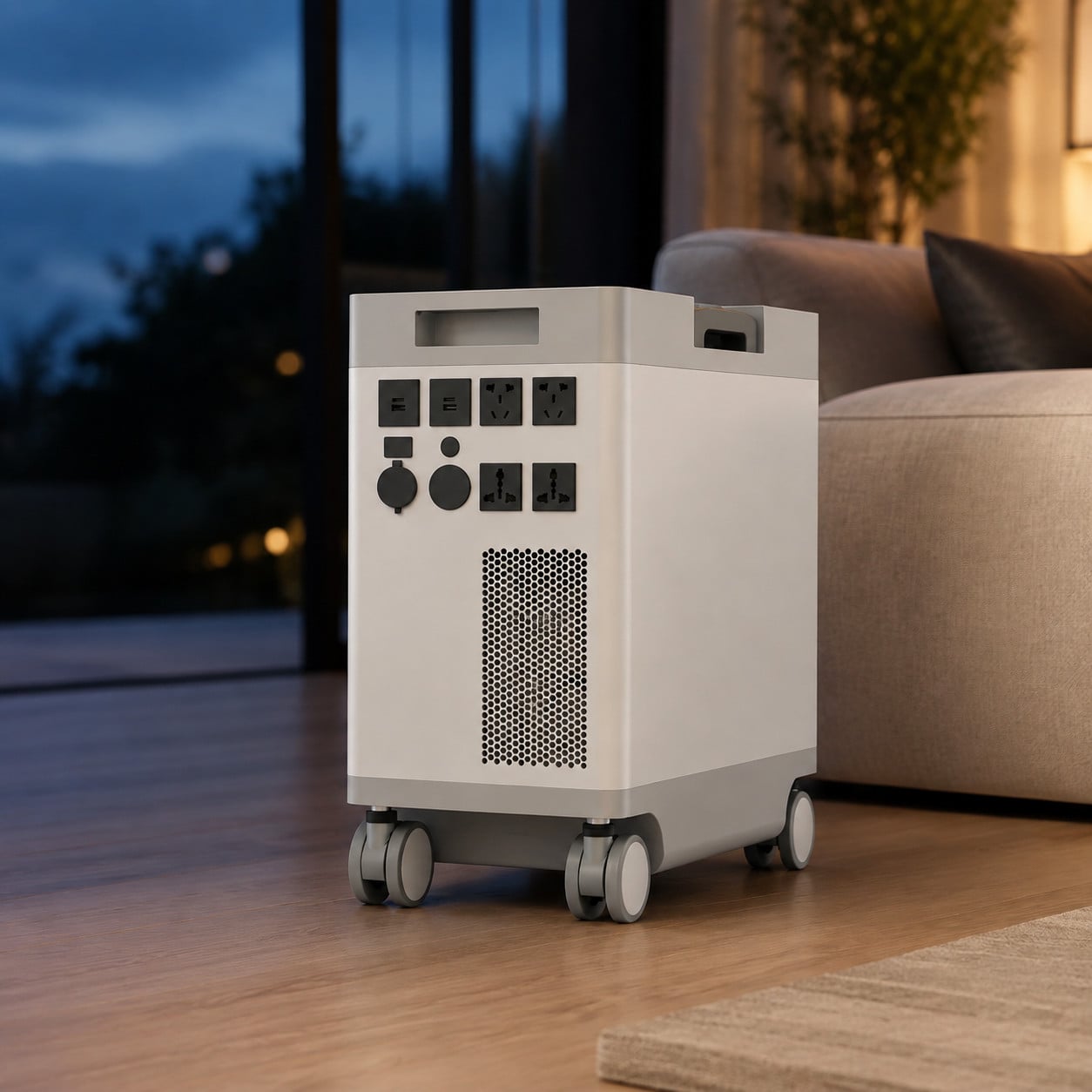
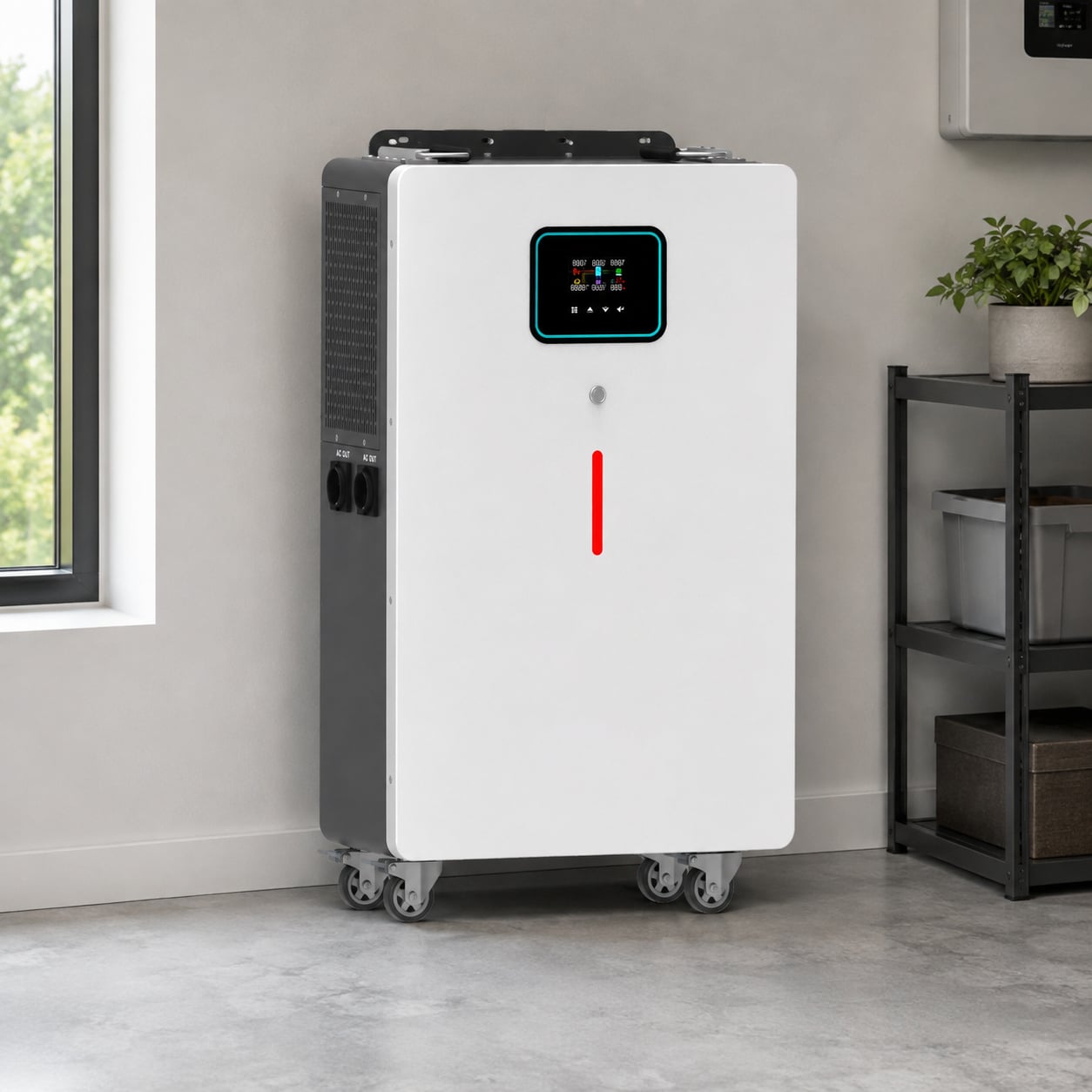
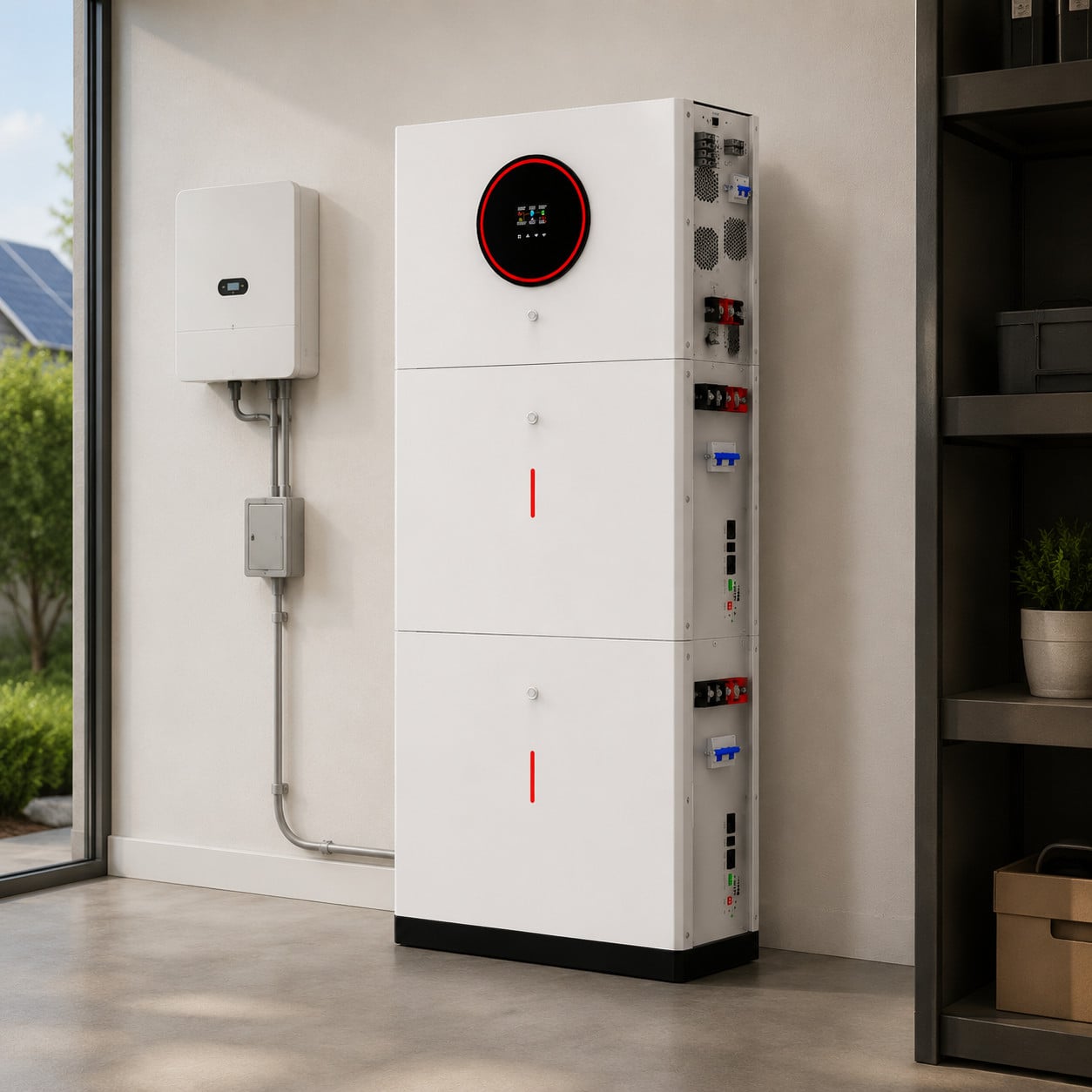
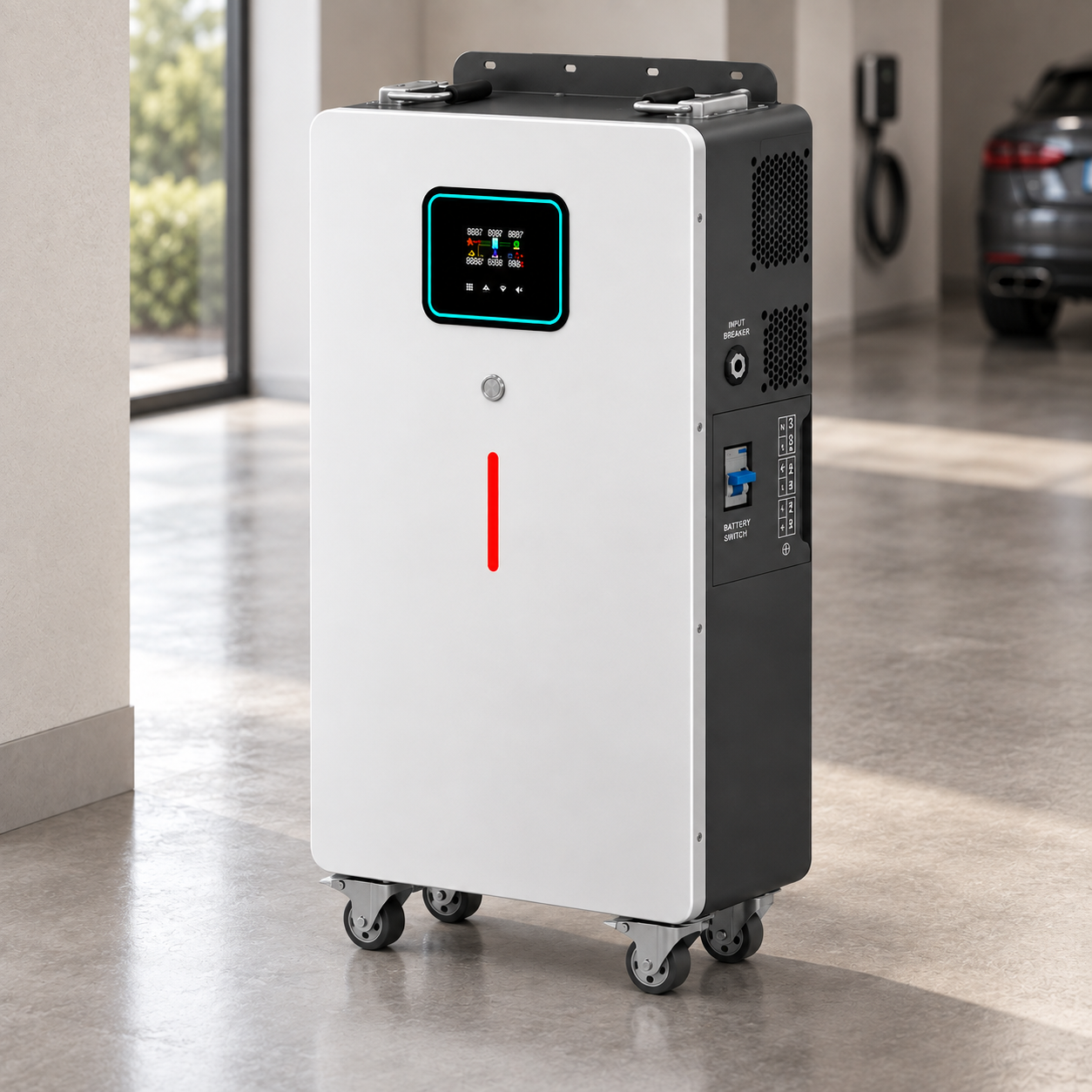
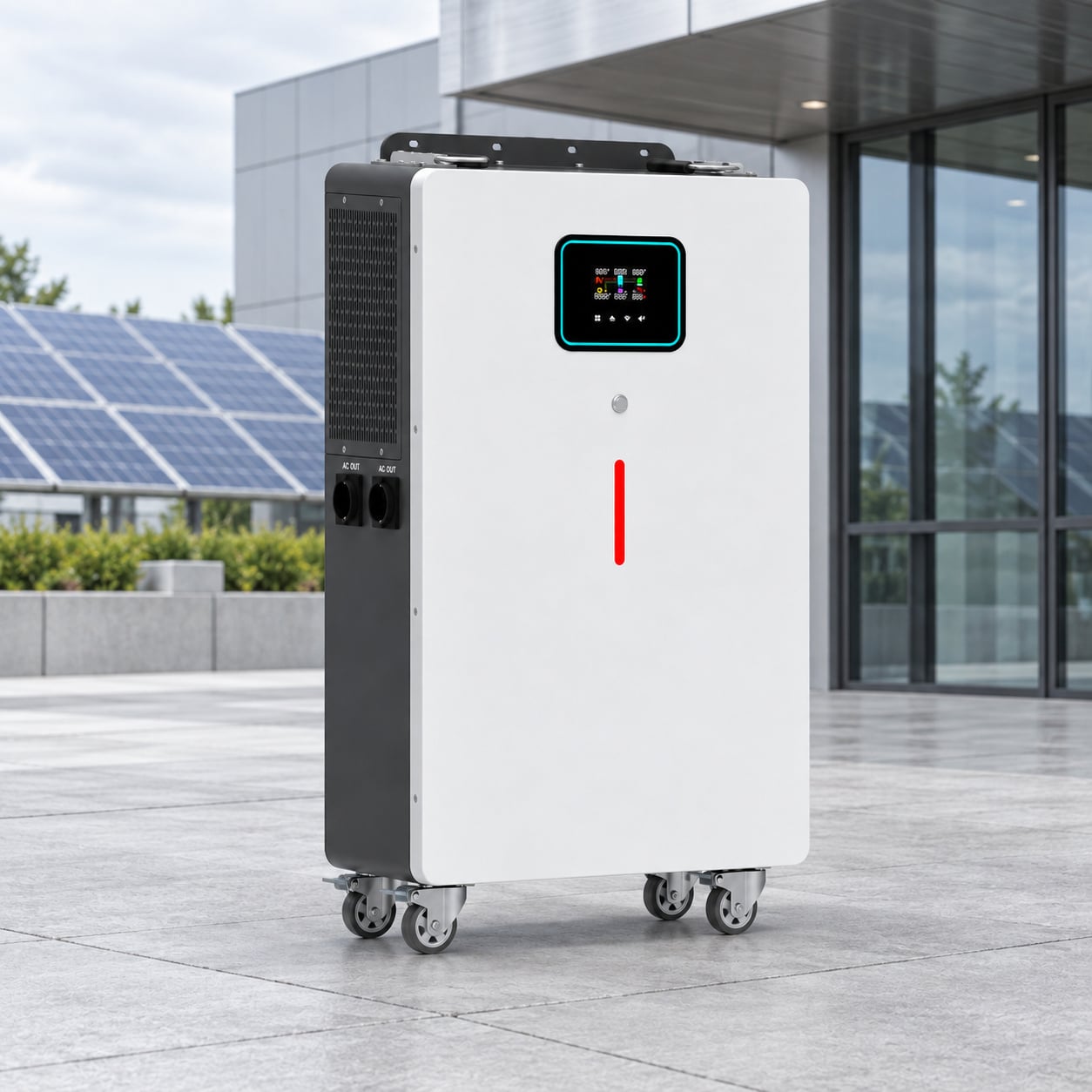
Home energy storage systems have become increasingly vital for both residential and commercial energy management. As businesses seek sustainable solutions, partnering with reliable energy storage system manufacturers is essential. This article will address key buyer concerns, such as specifications, cost factors, applications, and the benefits of LiFePO4 technology, helping you make informed decisions when evaluating suppliers. 

Key Specifications to Consider in Home Energy Storage Systems

Key Specifications to Consider in Home Energy Storage Systems

When evaluating YANSHUO home energy storage systems, buyers should focus on several key specifications that directly impact performance and suitability for specific applications. 

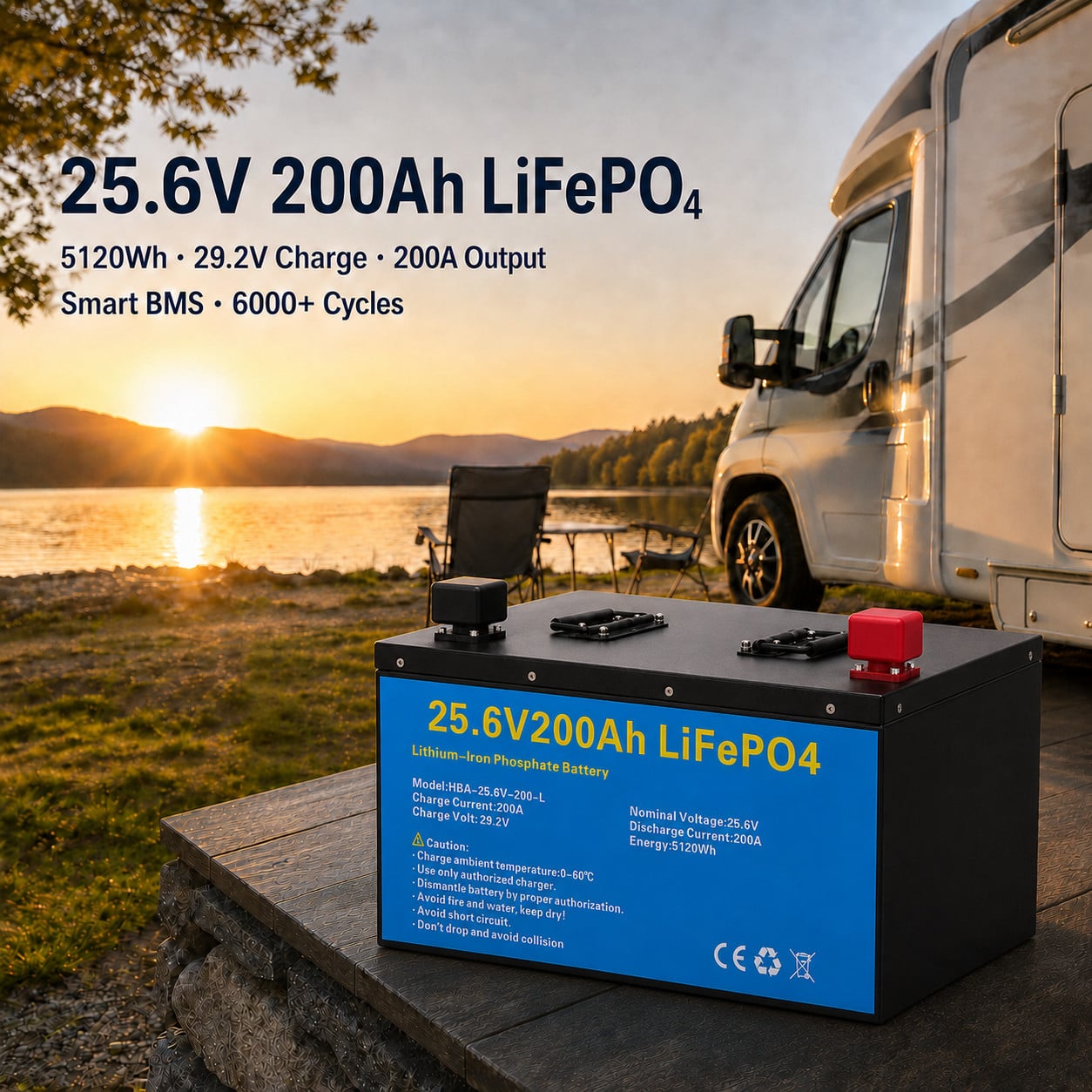
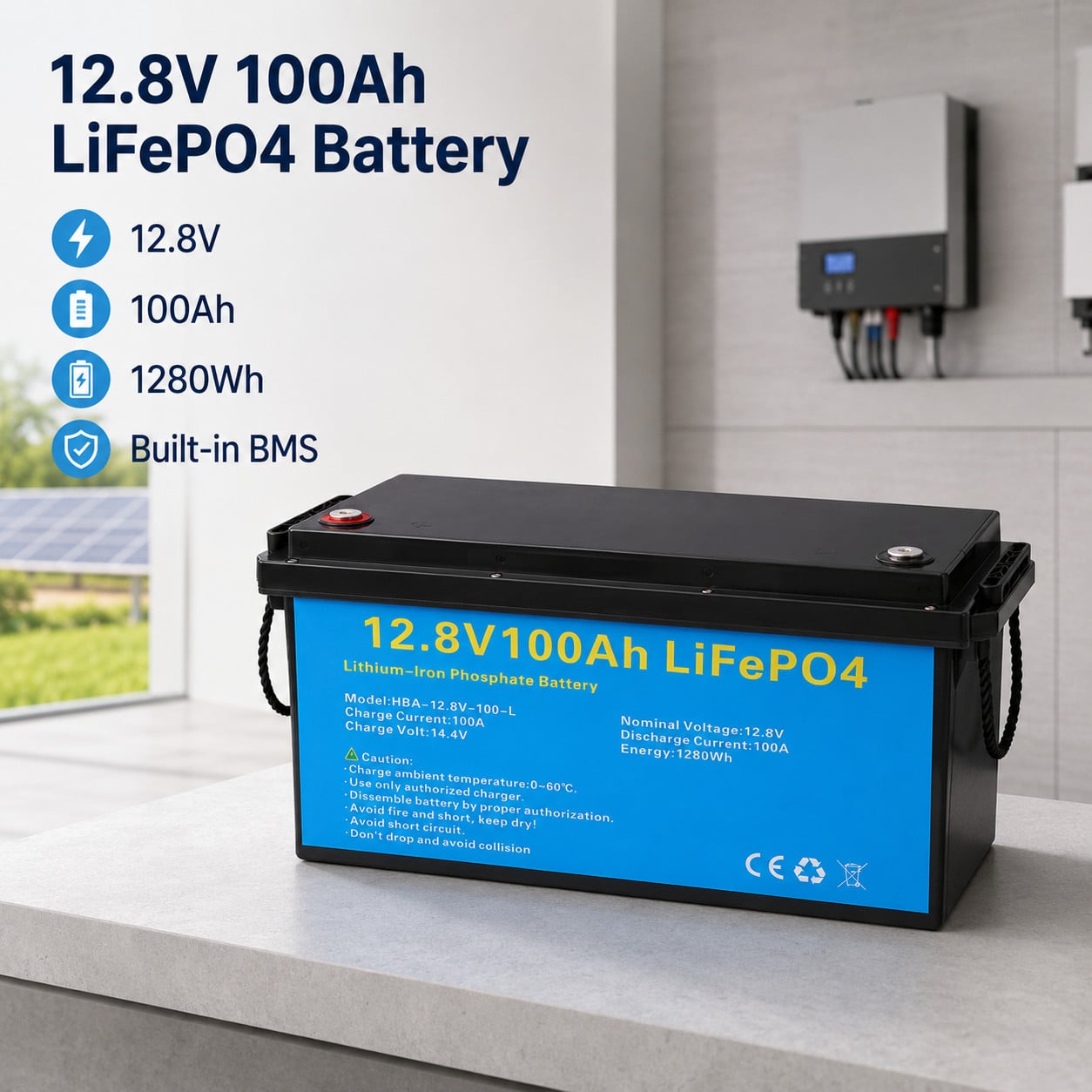
Battery Type: LiFePO4 (Lithium Iron Phosphate) batteries are known for their stability and safety, making them a preferred choice for residential energy storage. They offer a longer lifespan and better thermal stability compared to other lithium-ion options. 

Capacity and Depth of Discharge: The capacity, measured in kilowatt-hours (kWh), indicates the amount of energy the system can store. Additionally, understanding the depth of discharge (DoD) is crucial; a higher DoD allows for more energy usage without damaging the battery, thus improving overall efficiency. 

Efficiency: Look for systems with high round-trip efficiency, typically around 90-95%, which indicates how much energy is retained after storage and retrieval. Inefficiencies can lead to increased energy costs over time. 

Size and Dimensions: The physical dimensions of the system are essential for installation compatibility. Ensure the provided specifications match your installation space and requirements. 

Battery Management System (BMS): A robust BMS is critical for monitoring battery health, managing charge cycles, and ensuring safety. Look for features such as temperature control, voltage regulation, and cell balancing.

Understanding Cost Factors for Home Energy Storage Systems

The cost of home energy storage systems can vary widely depending on several factors. Understanding these elements can help you make more informed purchasing decisions. 

Battery Chemistry: LiFePO4 batteries typically come at a higher initial cost compared to lead-acid batteries, but their longevity and efficiency often justify the investment. Evaluating the total cost of ownership, including replacement frequency and maintenance, is essential. 

System Capacity: Higher capacity systems will naturally come with a higher price tag. Determine the appropriate capacity based on your energy needs to avoid overspending. 

Installation Costs: Consider the expenses associated with installation, which can include labor, electrical work, and necessary modifications to your existing energy system. 

Incentives and Rebates: Research available government incentives and rebates for energy storage systems in your region. These can significantly reduce upfront costs, making the investment more viable. 

Supply Chain Factors: Global supply chain issues can affect pricing. Ensure your supplier has contingency plans in place to mitigate delays and price increases.

Applications of Home Energy Storage Systems in Various Industries

Home energy storage systems are versatile and can be utilized across multiple sectors, enhancing energy efficiency and reliability. 

Residential Sector: Homeowners use energy storage systems to store excess energy generated from solar panels, allowing for energy use during peak hours and reducing electricity bills. 

Commercial Applications: Businesses can leverage energy storage to manage peak demand charges, ensuring they draw from stored energy during high-cost periods. 

Recreational Vehicles (RVs): RV owners benefit from portable home energy storage system, providing reliable power for appliances and electronics during travel. 

Marine Applications: In marine settings, energy storage systems can power navigation systems, lighting, and other essential equipment, ensuring safety and functionality while at sea. 

UPS (Uninterruptible Power Supply): Energy storage systems play a crucial role in backup power solutions, providing immediate support during outages to maintain operations in critical environments.

Benefits of LiFePO4 Technology in Home Energy Storage Systems

LiFePO4 (Lithium Iron Phosphate) technology offers several distinct advantages for home energy storage systems, making it a preferred choice among home energy storage system manufacturers and users alike. 

Safety: LiFePO4 batteries are known for their thermal stability and low risk of fire, making them safer than other lithium-ion technologies. This is especially important for residential applications where safety is paramount. 

Long Lifespan: With a lifespan that can exceed 10 years with proper maintenance, LiFePO4 batteries provide a long-term solution for energy storage needs, reducing the frequency of replacements. 

Environmentally Friendly: LiFePO4 batteries are less toxic than lead-acid alternatives and can be recycled, aligning with increasing environmental regulations and consumer preferences for sustainable solutions. 

High Discharge Rates: LiFePO4 batteries can deliver high current outputs, making them suitable for applications requiring quick bursts of energy, such as starting motors or powering high-demand appliances. 

Temperature Tolerance: These batteries perform well across a wide temperature range, making them suitable for various climates and conditions, from hot to cold environments. 

By understanding these factors and the inherent advantages of YANSHUO LiFePO4 technology, businesses can make informed decisions when selecting home energy storage systems, ensuring reliability and efficiency for their energy management needs.

Choosing Reliable Home Energy Storage System Suppliers for Your Business

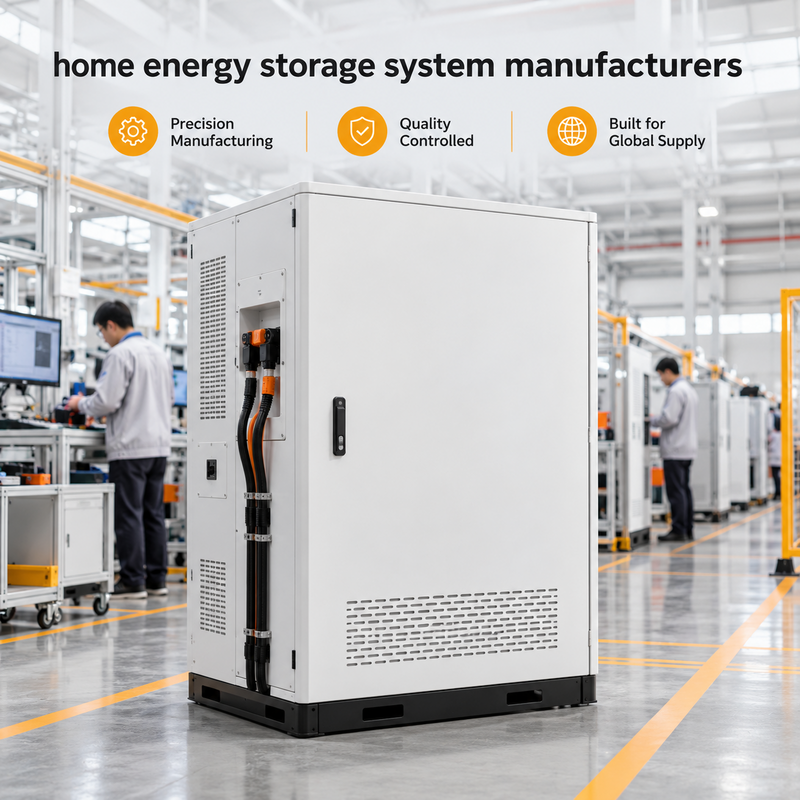
Selecting a trustworthy home energy storage system manufacturer involves several critical considerations. First, assess their manufacturing capabilities, including production equipment and quality control processes. A home energy storage system manufacturers with experience in LiFePO4 energy storage systems, like Shenzhen Yanshuosheng Technology Co., Ltd., is advantageous due to their expertise in producing reliable and efficient products. 

Certifications play a significant role in evaluating suppliers. Ensure that the home energy storage system manufacturers has relevant certifications, such as UN38.3 and CE, which demonstrate compliance with international safety and performance standards. This not only confirms the quality of the products but also ensures they are fit for use in diverse applications, including battery storage system, RVs, and marine environments. 

Additionally, consider the home energy storage system manufacturers export experience and markets served. A supplier with a global presence is likely to have a better understanding of international regulations and standards, which can affect product design and functionality.

Get a Free Quote

Our representative will contact you soon.
0/1000