Reliable Solar Plus Storage Systems for Businesses

5,000+ units ready stock, 1–5 days fast global delivery

application/solar-plus-storage, application/solar-plus-storage, 
Inquiry
Inquiry

Solar plus storage

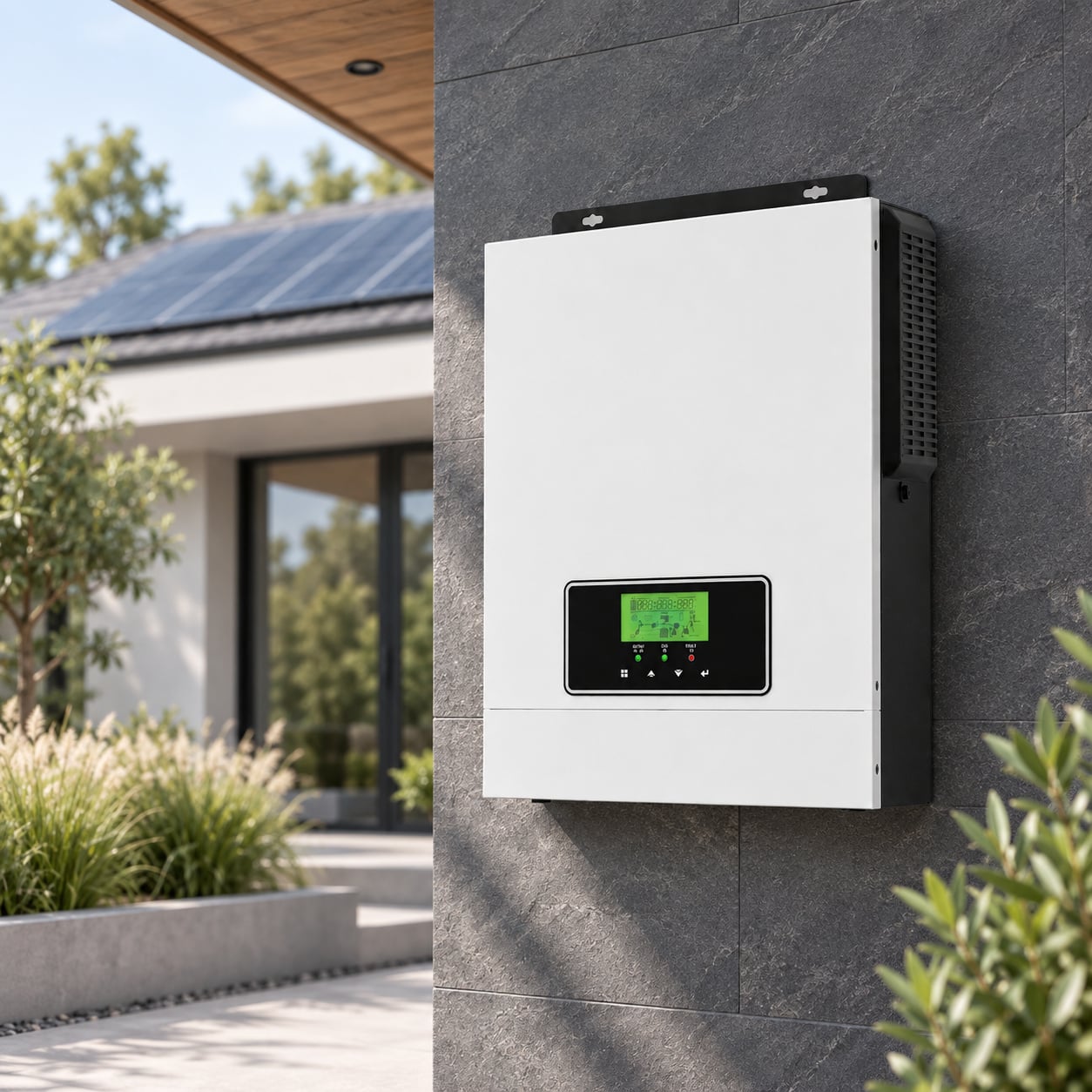
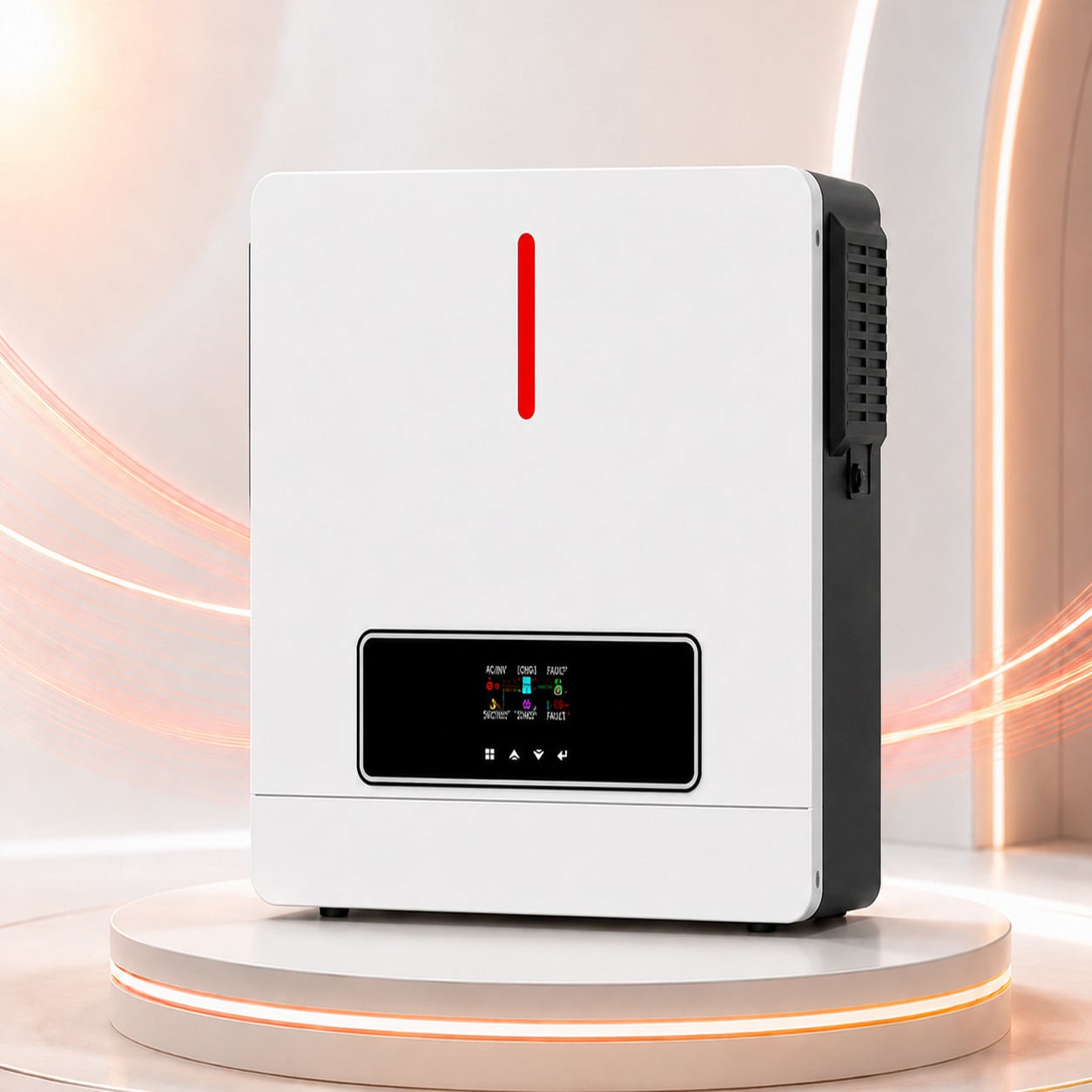
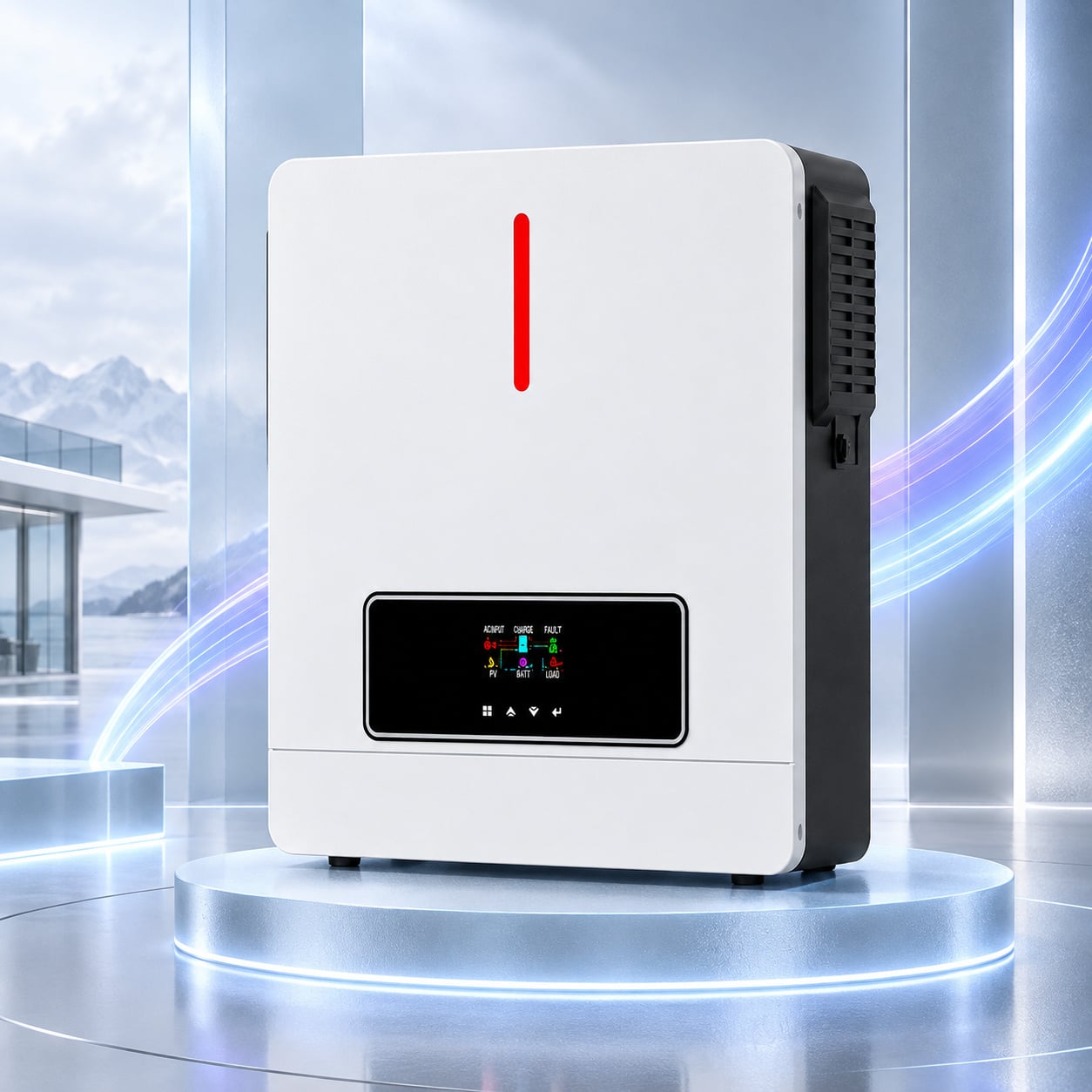
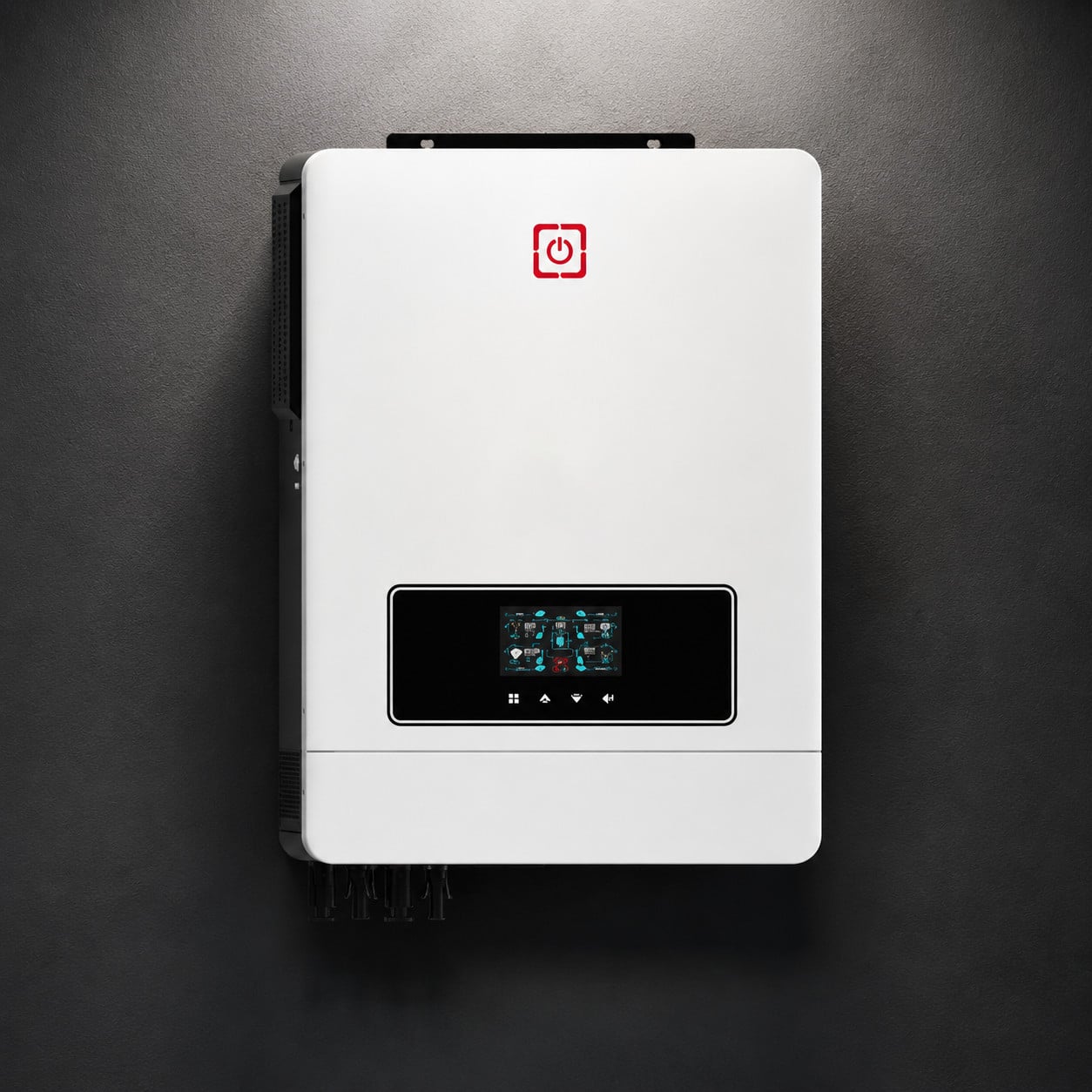
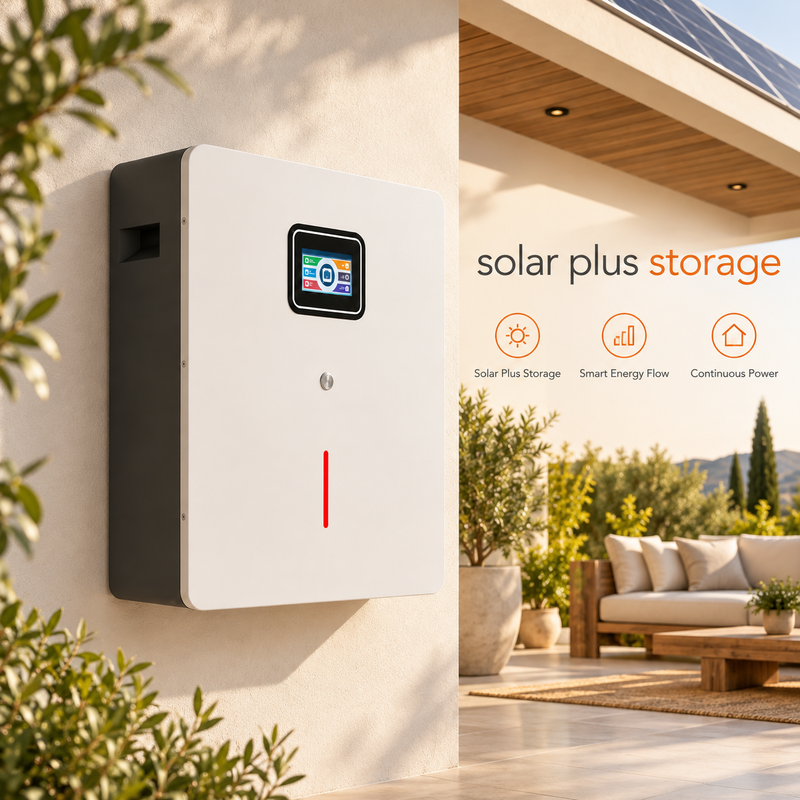
Solar plus storage systems have emerged as essential components in the renewable energy landscape, offering efficient and sustainable energy solutions for various applications. For B2B buyers, such as purchasing managers and engineers, understanding the intricacies of these energy storage systems—particularly LiFePO4 energy storage—can significantly influence purchasing decisions. This article will delve into key considerations when selecting, installing, and integrating solar plus storage systems, helping you navigate the complexities of sourcing and implementing these technologies.   

Common Installation Challenges with Solar Plus Storage Solutions

Common Installation Challenges with Solar Plus Storage Solutions

Installation of solar plus storage systems can pose several challenges that may affect performance and longevity. One common issue is ensuring compatibility between the energy storage system and existing Solar Plus Storage Systems infrastructure. Buyers must evaluate technical parameters such as voltage, current ratings, and communication protocols to ensure seamless integration. 

Another challenge lies in the physical installation. Adequate space must be allocated for battery placement, considering both safety and accessibility for maintenance. For instance, LiFePO4 batteries require proper ventilation and temperature control, which should be planned during the installation phase. 

Additionally, improper wiring or configuration can lead to inefficiencies or even system failures. Engaging experienced installers familiar with solar panels and energy storage technologies can mitigate these risks and ensure that the battery management system is set up to operate optimally from the outset. 

Quality Indicators for Solar Plus Storage Systems You Should Know

Quality indicators play a crucial role in assessing the reliability and performance of solar plus storage systems. Key specifications to consider include: 

Battery Chemistry: LiFePO4 batteries are known for their stability, safety, and longevity, making them a preferred choice. Understanding the lifespan and cycle life of the batteries is essential for evaluating long-term cost-effectiveness. 

Capacity and Output: The energy capacity, measured in kilowatt-hours (kWh), determines how much energy can be stored and used. Ensure that the selected system meets the energy demands of your application. 

Certification Standards: Look for products that meet recognized safety and performance certifications. This not only indicates quality assurance but also compliance with local regulations. 

Battery Management System (BMS): A robust BMS is vital for optimizing battery performance, ensuring safety, and prolonging lifespan. Investigate the features of the BMS, such as protection against overcharging and temperature control. 

Warranty and Support: A strong warranty reflects manufacturer confidence in their product. Additionally, ensure that the supplier offers comprehensive technical support to address any potential issues that may arise during operation. 

Applications of Solar Plus Storage in Various Industries

Solar plus storage systems have diverse applications across multiple industries, demonstrating their versatility and efficiency. In the commercial sector, businesses can use these systems to reduce energy costs and enhance energy independence, particularly in areas with unreliable grid power. By storing excess energy generated during peak sunlight hours, companies can manage their energy consumption effectively. 

In the residential market, homeowners benefit from energy storage systems that provide backup power during outages and optimize energy use, especially in regions with time-of-use pricing. Moreover, in the marine industry, solar power and battery storage solutions facilitate the efficient operation of vessels, allowing for greater fuel efficiency and reduced emissions. 

Recreational Vehicles (RVs) also leverage solar plus storage systems, enabling travelers to enjoy off-grid living with dependable energy sources. As the demand for sustainable energy solutions grows, these systems will continue to evolve, offering tailored solutions for specific industry needs. 

Solutions for Common Problems in Solar Plus Storage Integration

Integrating solar plus storage systems can lead to several common issues, but understanding solutions can streamline the process. One frequent problem is the mismatch between energy production and consumption. Implementing advanced monitoring systems can help track energy usage patterns and optimize LiFePO4 energy storage capacity, ensuring that energy is used efficiently. 

Another challenge is related to system maintenance. Regular inspections and testing of the battery health, connections, and overall system functionality are crucial to prevent performance degradation. Establishing a maintenance schedule with your supplier can help ensure that the system operates effectively over its lifespan. 

Finally, interoperability issues can arise when combining different brands or technologies. It is essential to work with suppliers who provide compatible systems or offer integration solutions that facilitate smooth operation. By proactively addressing these challenges, businesses can ensure a successful implementation of solar panels and battery storage systems. 

In summary, sourcing and integrating solar plus storage systems requires careful consideration of quality indicators, installation challenges, and application suitability. By leveraging the expertise of reputable manufacturers like Shenzhen Yanshuosheng Technology Co., Ltd., buyers can make informed decisions that align with their operational needs and sustainability goals. 

Where to Source Reliable Wholesale Solar Plus Storage Systems

When sourcing solar plus storage systems, reliability and quality are paramount. Begin by identifying manufacturers with a strong reputation and comprehensive certifications, such as UN38.3 and CE, which ensure compliance with international safety and performance standards. Shenzhen Yanshuosheng Technology Co., Ltd., for example, specializes in LiFePO4 energy storage systems and serves over 50 countries, making them a credible option for businesses seeking wholesale solutions. 

Additionally, consider the manufacturer's experience in specific applications such as RV, UPS, and marine systems. This specialization often indicates a deeper understanding of the unique challenges and requirements in these markets. Requesting references or case studies can also provide insights into a supplier's reliability. Finally, evaluating the minimum order quantities (MOQ) and customization capabilities will help align your sourcing strategy with your operational needs. 

Frequently Asked Questions

What is Solar plus storage designed for?

Integrated solar energy capture and LiFePO4 battery storage for homes, RVs, UPS, and marine use to provide reliable off-grid or backup power.
We use LiFePO4 deep-cycle batteries with an independent BMS for long life, safety, and stable performance.
Our systems carry UN38.3 and CE certifications, ensuring compliant transport and safety standards.
Warranty and service terms vary by model and region; contact our sales team for specific warranty length and aftersales support details.
Yes. Systems are compatible with typical solar arrays and inverters; installation may require configuration by a qualified technician or our support team.

Get a Free Quote

Our representative will contact you soon.
0/1000