48V 30Ah Lithium Ion Battery: Quality and Applications

5,000+ units ready stock, 1–5 days fast global delivery

application/48v-30ah-lithium-ion-battery, application/48v-30ah-lithium-ion-battery, 
Inquiry
Inquiry

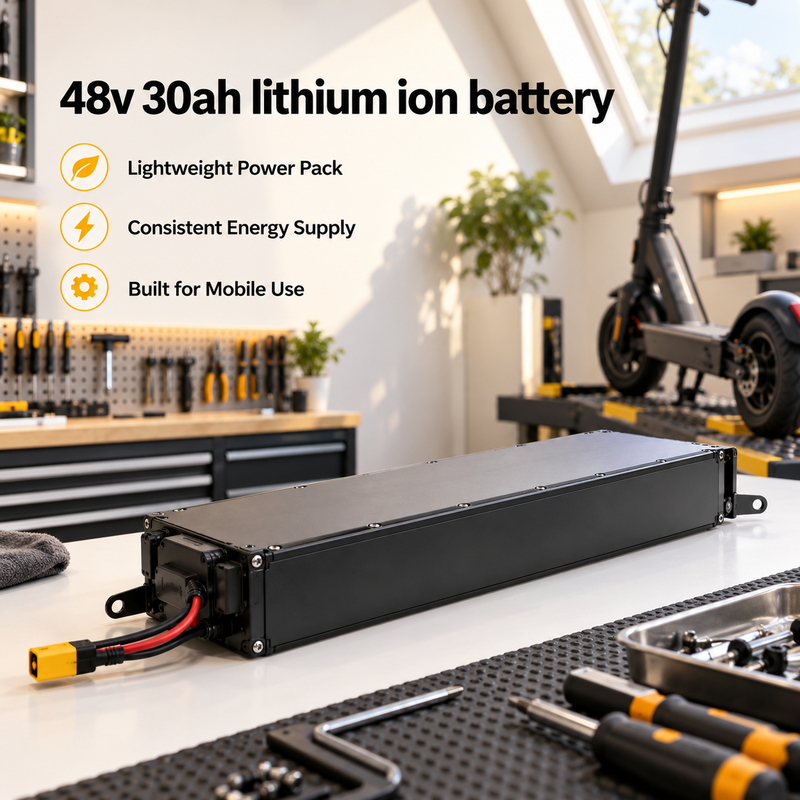
48v 30ah lithium ion battery

The 48V 30Ah lithium-ion battery is a high-capacity energy storage solution widely used in various applications, including solar energy systems, RVs, uninterruptible power supplies (UPS), and marine environments. For businesses looking to purchase these 48V 30Ah lithium ion batteries in bulk, understanding their quality of 48V 30Ah lithium ion batteries, cost factors for purchasing 48V 30Ah, installation guidelines, applications of 48V 30Ah lithium ion batteries, and potential problems is essential. This article aims to guide purchasing managers and engineers through these critical aspects to ensure informed decision-making.

Cost Factors for Purchasing 48V 30Ah Lithium Ion Batteries in Bulk

Cost Factors for Purchasing 48V 30Ah Lithium Ion Batteries in Bulk

The cost of 48V 30Ah lithium-ion batteries can vary significantly based on several factors. First, pricing will depend on the volume of the order; generally, larger orders will lead to better pricing due to economies of scale. Be sure to inquire about any minimum order quantities (MOQs) that may apply. 

Material selection is another cost driver. While LiFePO4 batteries tend to be more expensive than other lithium-ion chemistries, their longevity and safety features often justify the higher initial investment. Additionally, customization options, such as specific BMS features or packaging requirements, can influence overall costs. 

Shipping and logistics should also be factored into your budget. Consider the total landed cost, which includes shipping fees, tariffs, and potential storage costs. Working with a manufacturer experienced in international markets can help streamline the delivery process and minimize unexpected expenses. 

Installation Guidelines for 48V 30Ah Lithium Ion Battery Systems

Proper installation of 48V 30Ah lithium-ion battery systems is crucial for optimal performance and safety. Before installation, ensure that the battery is placed in a well-ventilated area to prevent overheating. The installation site should be dry and protected from moisture, as 48v lithium ion battery can be sensitive to humidity. 

When connecting multiple batteries in series or parallel, follow the manufacturer’s guidelines to maintain balanced charging and discharging. It’s essential to use appropriate cabling and connectors to handle the expected current loads without overheating. Additionally, incorporating fuses or circuit breakers can enhance safety by protecting the system from overload conditions. 

It is also advisable to conduct a thorough testing phase after installation. Check for any irregularities in voltage, temperature, and performance. If available, consult the manufacturer's installation manual for detailed instructions and safety precautions specific to your battery model. 

Applications of 48V 30Ah Lithium Ion Batteries in Various Industries

The versatility of 48V 30Ah lithium-ion batteries makes them suitable for a wide range of applications across several industries. In the solar energy sector, these batteries serve as efficient energy storage solutions, enabling users to store excess solar energy for later use. Their deep-cycle capabilities ensure longevity and reliability in energy-intensive applications. 

In the recreational vehicle (RV) sector, these batteries provide a lightweight and powerful alternative to traditional lead-acid batteries. They offer longer cycle life and faster charging times, making them ideal for off-grid adventures. Similarly, in marine applications, their resistance to deep cycling and environmental factors enhances their suitability for powering electric motors and onboard systems. 

Moreover, in the UPS market, the 48V 30Ah batteries ensure continuous power supply during outages. Their rapid response times and high discharge rates make them particularly valuable for protecting sensitive electronic equipment in data centers and industrial settings. 

Common Problems with 48V 30Ah Lithium Ion Batteries and Their Solutions

Despite their advantages, 48V 30Ah lithium-ion batteries can encounter some common issues. One frequent problem is thermal runaway, which occurs if the battery overheats due to excessive charging or a malfunctioning BMS. To mitigate this, ensure that the BMS is functioning correctly and that the battery is not exposed to extreme temperatures during operation or storage. 

Another issue is capacity fade, which refers to the gradual loss of the battery's ability to hold a charge over time. This can be influenced by factors such as operating temperature and charge/discharge cycles. Regular monitoring of battery health through performance testing can help identify capacity fade early, allowing for timely replacements. 

Finally, compatibility with existing systems can sometimes pose a challenge. Ensure that the voltage and capacity specifications align with your equipment requirements. If you are integrating the 48 volt lithium battery into a larger energy storage system, consult with the manufacturer to confirm compatibility and optimal configuration. 

understanding the quality, cost factors, installation guidelines, applications, and common issues of 48V 30Ah lithium-ion batteries is essential for making informed purchasing decisions. By following this guide, purchasing managers and engineers can ensure they select the right energy storage solutions for their specific needs. 

Evaluating the Quality of 48V 30Ah Lithium Ion Batteries for Bulk Orders

When evaluating the quality of 48V 30Ah lithium-ion batteries, several key factors should be considered. First, check for certifications such as UN38.3 and CE, which indicate compliance with international safety and performance standards. These certifications are crucial for ensuring the batteries meet safety regulations and can be reliably used in various applications. 

Next, assess the battery's construction quality, including the materials used. High-quality lithium-ion batteries often utilize LiFePO4 (lithium iron phosphate) chemistry, known for its thermal stability, longer cycle life, and safety characteristics. Evaluating the battery's internal components, such as the 48v lithium battery management system (BMS), is also essential. A robust BMS enhances safety by preventing overcharging, overheating, and short circuits. 

Finally, consider the manufacturer's quality control processes. A reputable manufacturer should have stringent testing protocols in place, including cycle testing and performance assessments, to guarantee product reliability. Always request detailed specifications and, if possible, samples before placing bulk orders to ensure that the product meets your performance expectations. 

Get a Free Quote

Our representative will contact you soon.
0/1000