Evaluating LiFePO4 Energy Storage for Businesses

5,000+ units ready stock, 1–5 days fast global delivery

application/energy-grid-storage, application/energy-grid-storage, 
Inquiry
Inquiry

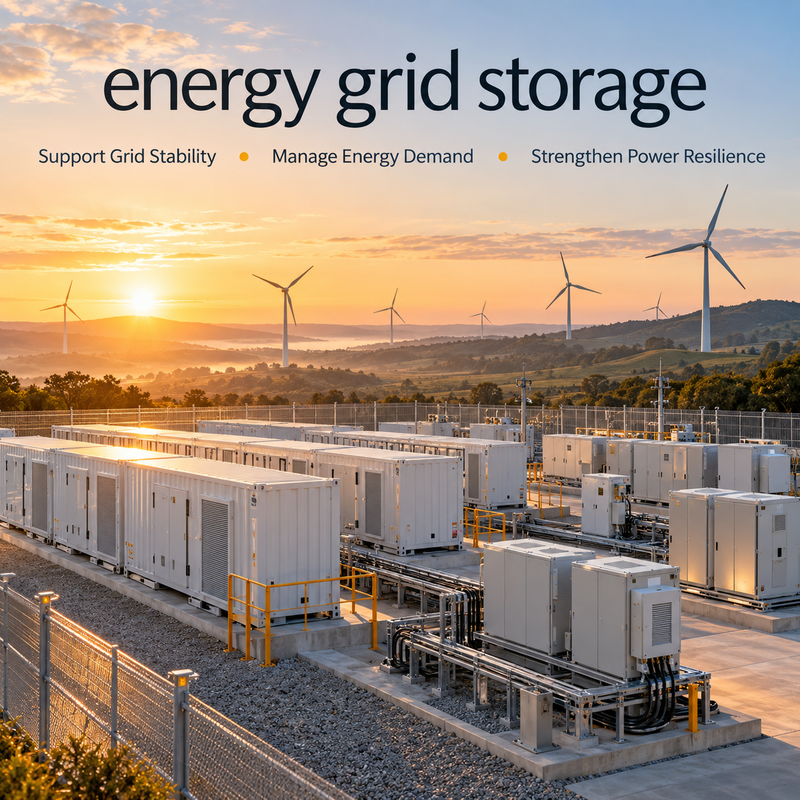
Energy grid storage

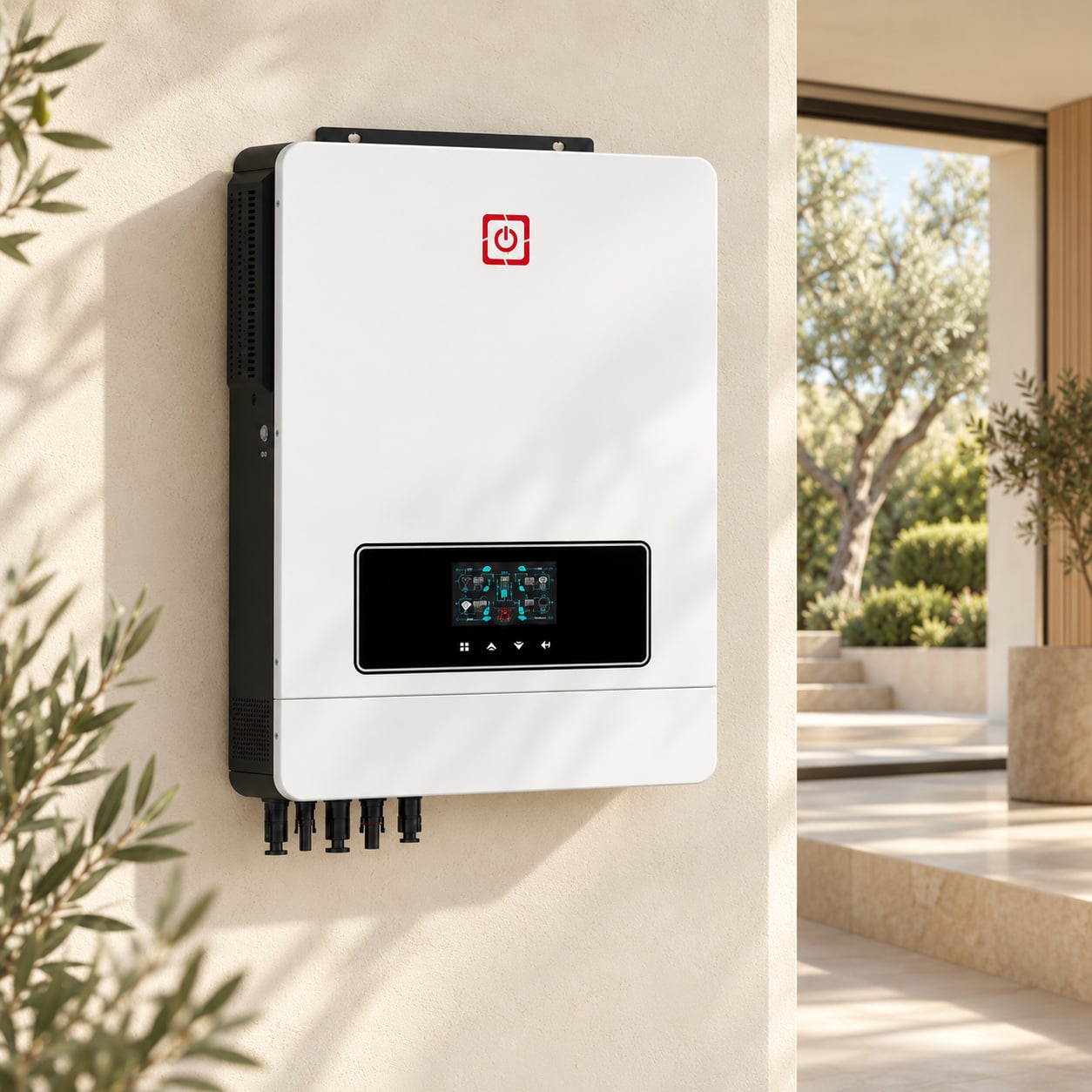
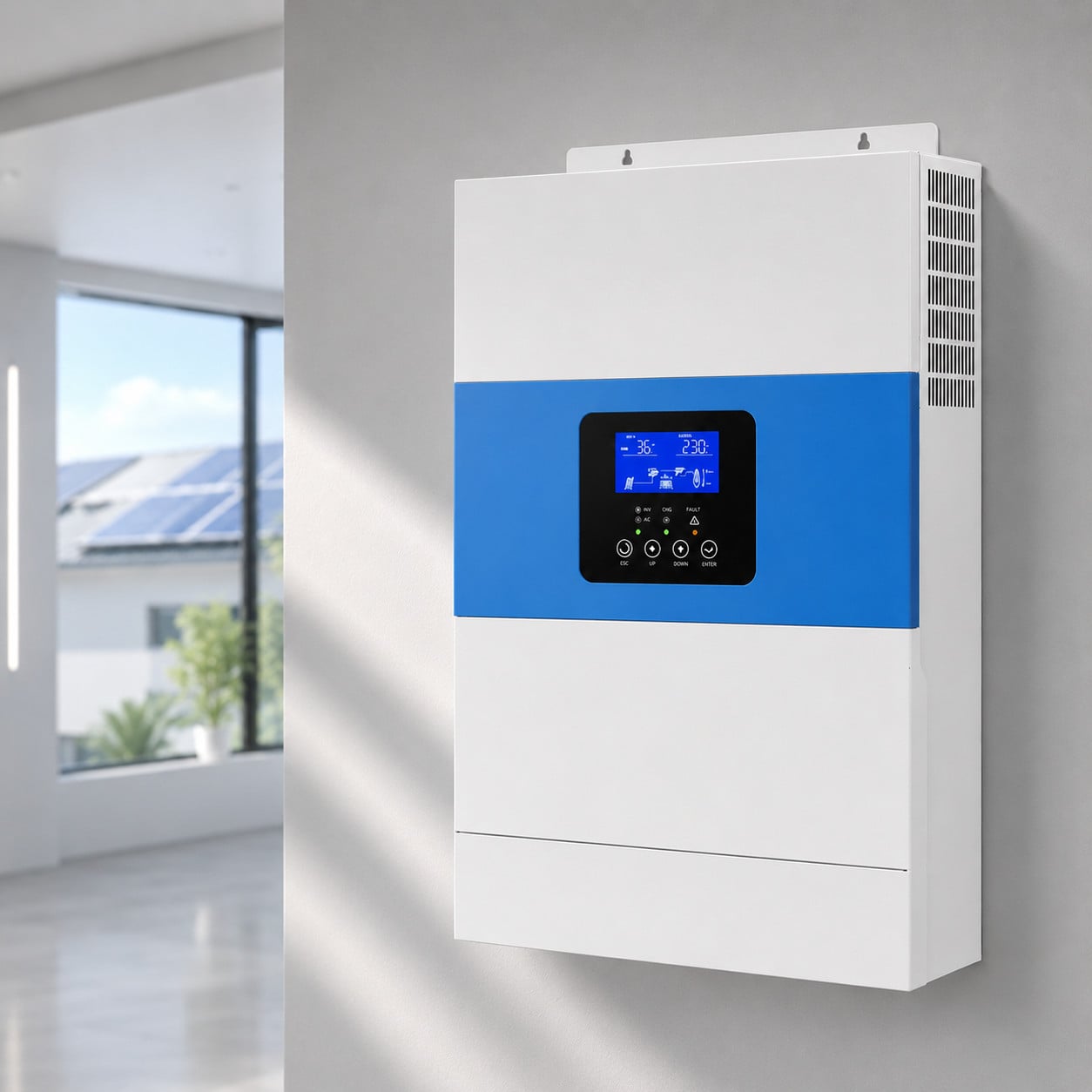
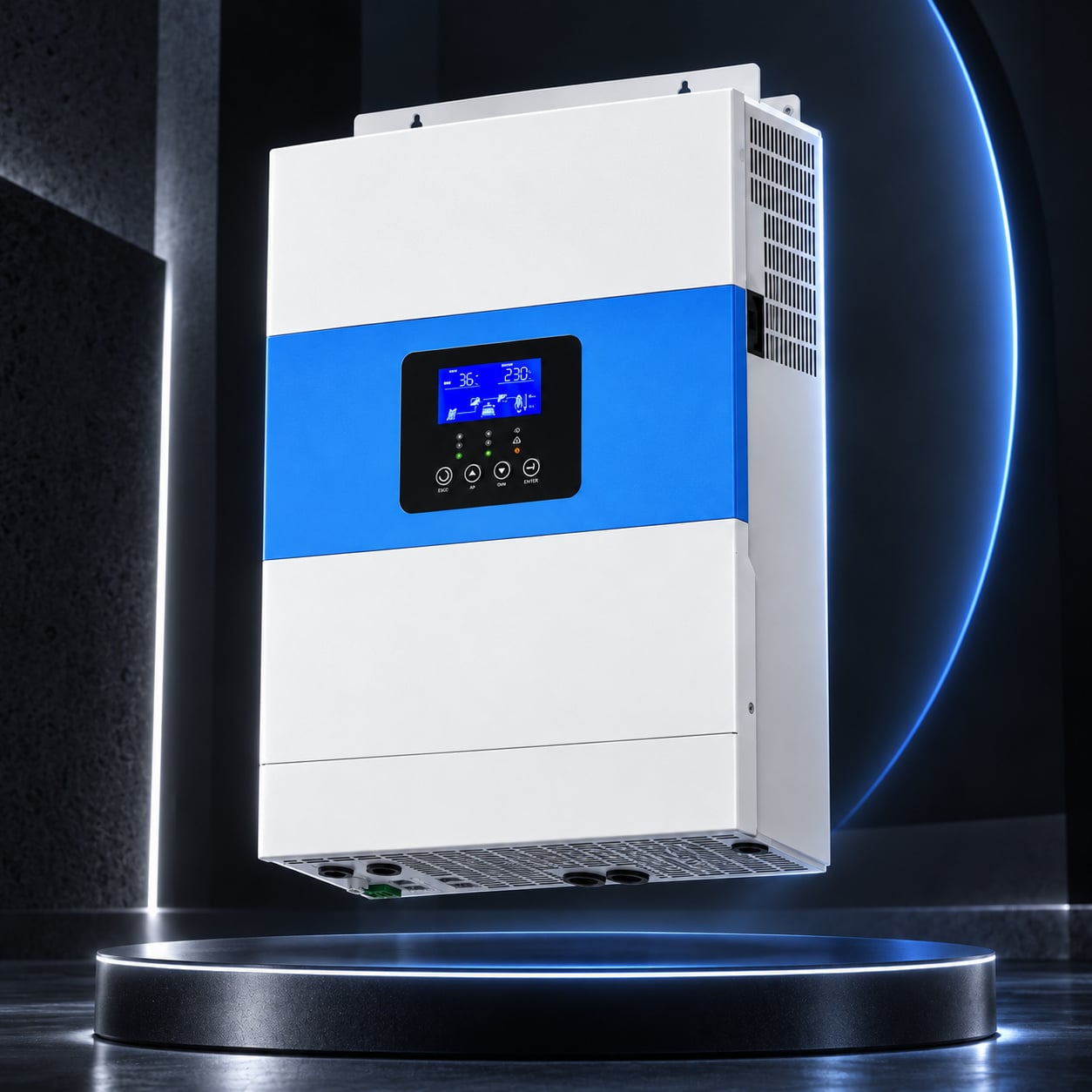
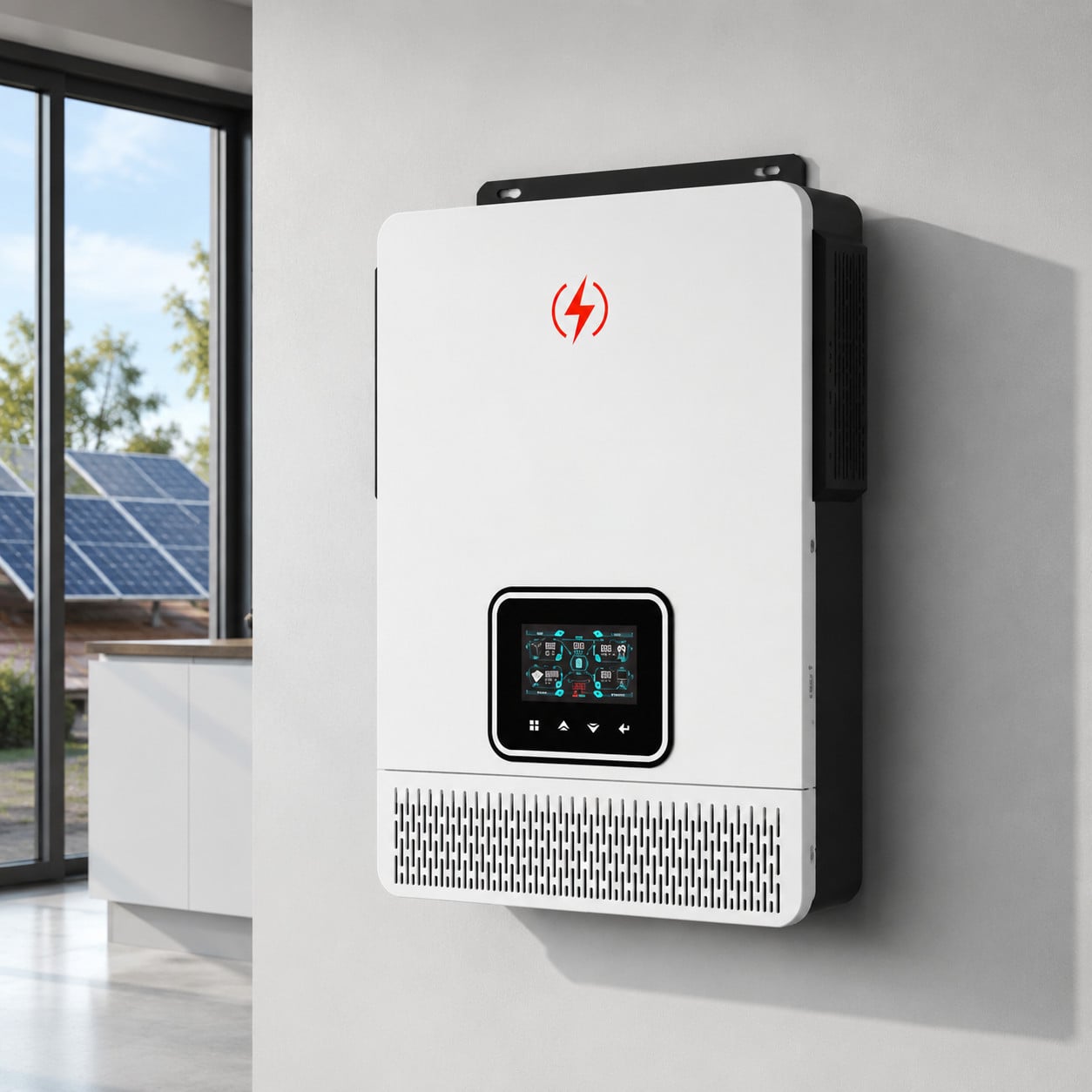
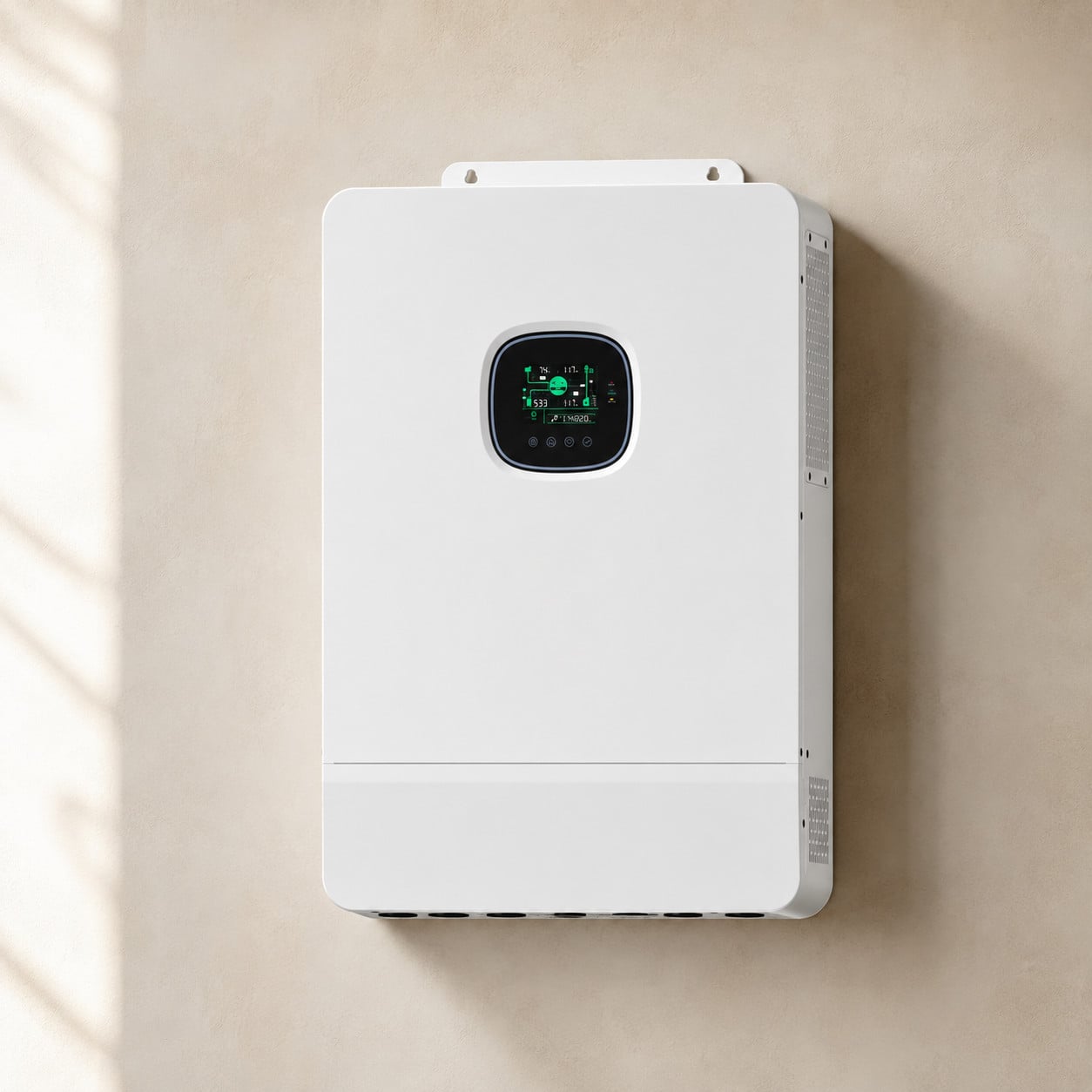
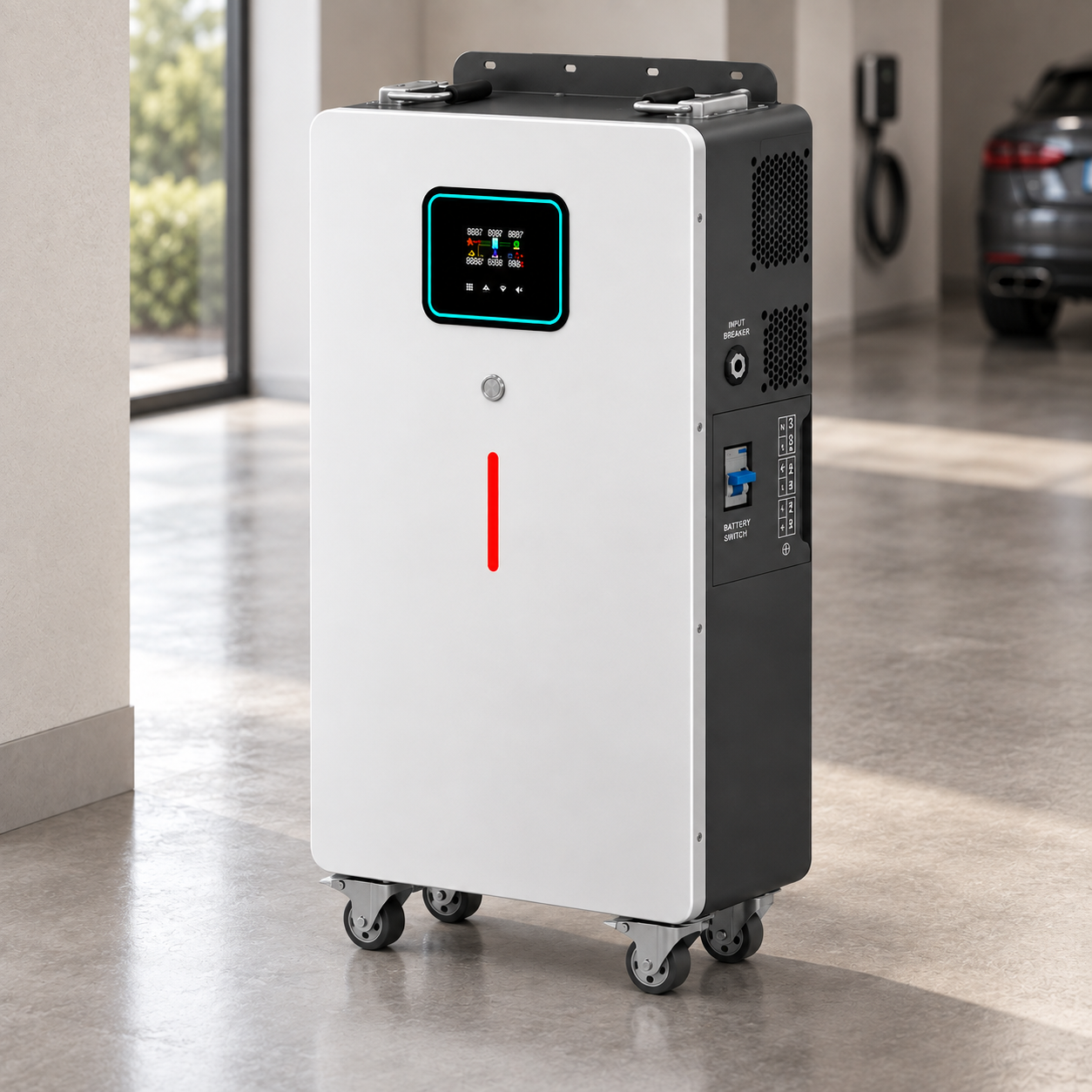
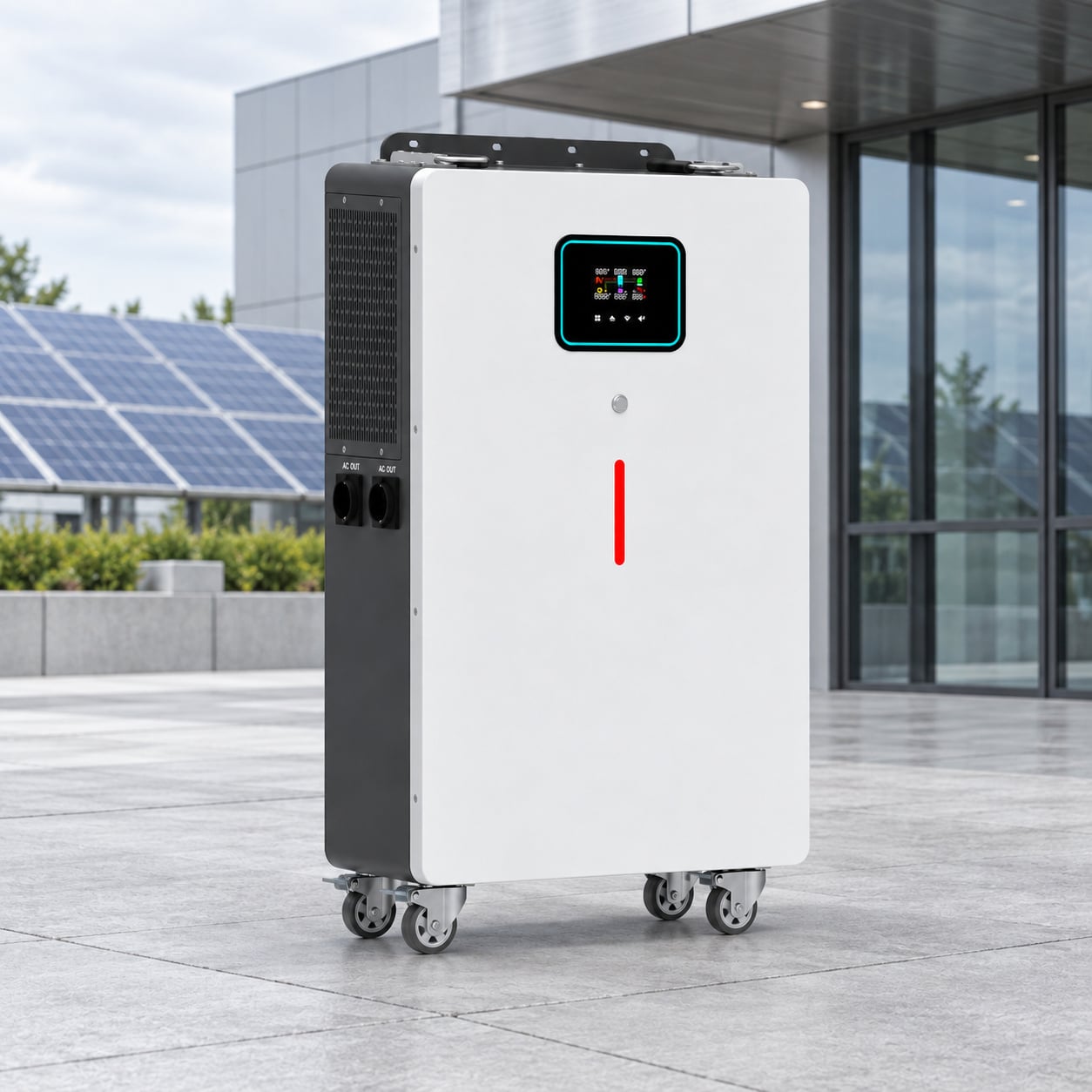
When considering energy grid storage solutions, businesses must evaluate various factors to ensure they choose the right system for their needs. Energy grid storage, particularly through YANSHUO solar on grid inverter technology, provides a reliable and efficient way to manage energy, especially for applications in solar, RV, UPS, and marine sectors. This article will address key considerations for B2B buyers, including how to evaluate LiFePO4 energy storage systems, cost factors, common issues, and the advantages of this technology. 

Understanding the Cost Factors of Bulk Orders for Energy Storage Systems

Understanding the Cost Factors of Bulk Orders for Energy Storage Systems

The cost of LiFePO4 energy storage systems can vary significantly based on several factors, particularly when considering bulk orders. First, the unit price generally decreases with larger quantities, which can result in significant savings for YANSHUO solar grid connected inverter wholesalers. However, it's essential to factor in additional costs such as shipping, customs duties, and storage requirements. 

Another key cost consideration is the specifications and customizations of the energy storage systems. Custom features might include specific BMS configurations, packaging options, or integrated components suited for particular applications, such as marine or RV use. These customizations can impact the base price, so it’s advisable for buyers to clarify their requirements upfront to receive accurate quotations. 

Lead times can also influence costs. Longer lead times may necessitate additional inventory costs or lost opportunities, while expedited orders may incur higher fees. Buyers should discuss potential lead times with manufacturers to align their purchasing schedules and budgets effectively. 

Why It Matters for Your Energy Storage Investmen

Investing in LiFePO4 energy storage systems represents not just a purchase but a strategic decision impacting operational efficiency and sustainability. These systems can enhance energy management by providing backup power, stabilizing energy costs, and supporting renewable energy integration. 

Choosing the right energy storage system can lead to reduced operational costs and improved energy independence, particularly for businesses reliant on renewable sources. Additionally, understanding the technology's lifecycle and maintenance requirements can prevent unexpected expenses and downtime. 

Therefore, it's crucial for buyers to engage with manufacturers about the expected performance and longevity of the systems. This includes understanding warranty terms, service options, and the support available for troubleshooting any issues that may arise during operation. 

Common Problems with Energy Storage Systems and Their Solutions

While LiFePO4 energy storage systems are renowned for their durability and efficiency, several common issues may arise. One frequent challenge is thermal management. Batteries generate heat during charging and discharging cycles, and if not managed properly, can lead to reduced performance or lifespan. 

To address this, buyers should prioritize systems with effective thermal management features, such as cooling systems or temperature monitoring capabilities. This ensures optimal operating conditions and can enhance the overall reliability of the energy storage solution. 

Another issue is connectivity and integration with existing systems. Buyers should evaluate the compatibility of energy storage systems with their current energy infrastructure. Ensuring seamless integration can prevent operational disruptions and enhance system efficiency. 

Lastly, battery degradation is a natural process over time. Buyers should prepare for this by understanding the expected cycle life and performance metrics of the systems they purchase. Implementing regular maintenance checks and monitoring performance can help identify deterioration early, allowing for timely interventions. 

The Advantages of LiFePO4 Materials in Energy Storage Applications

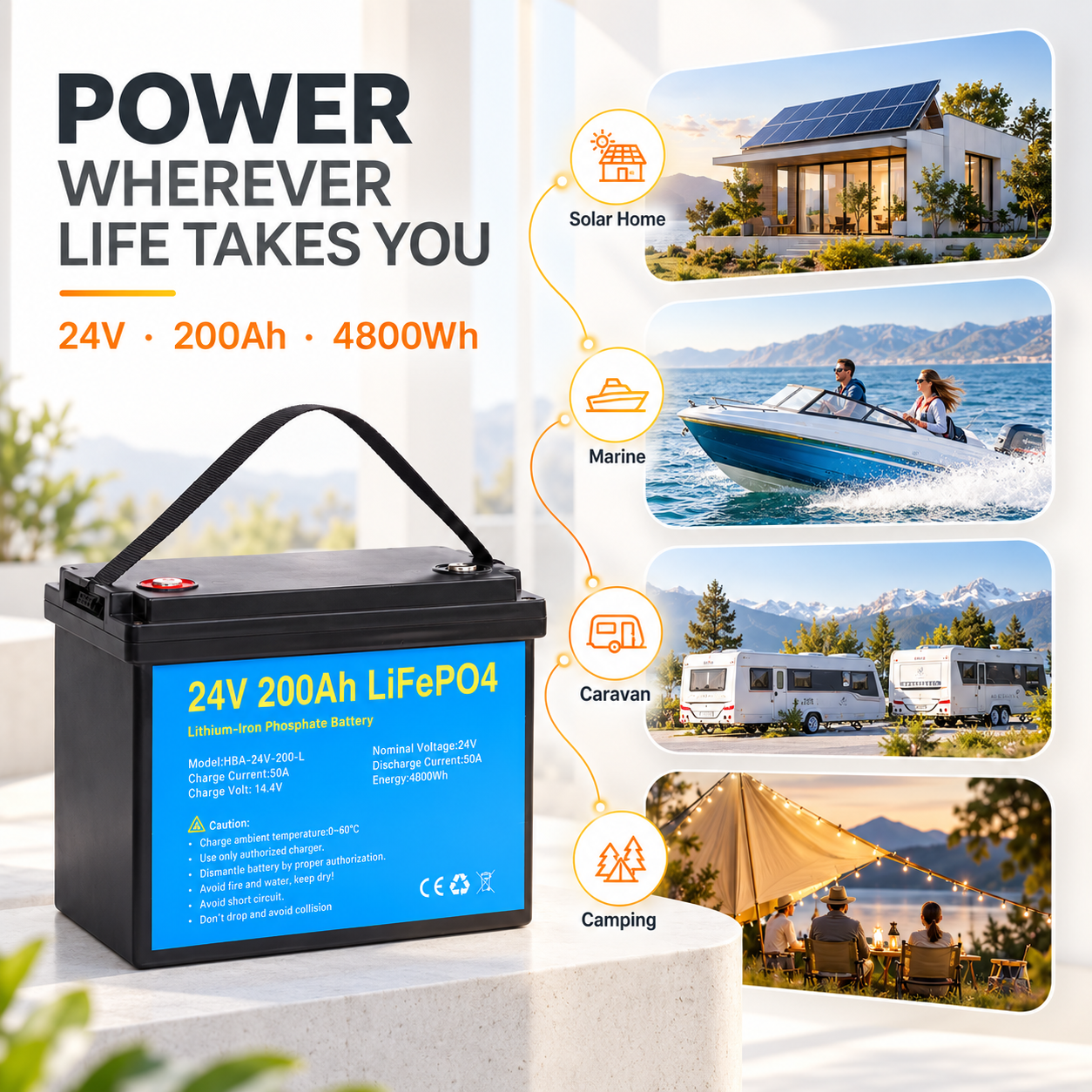
LiFePO4 (Lithium Iron Phosphate) offers several advantages over other battery chemistries, making it an attractive option for energy storage applications. One of the primary benefits is safety. LiFePO4 batteries are known for their thermal stability and lower risk of fire compared to other lithium-ion batteries. This safety feature is particularly appealing for applications in residential, marine, and commercial environments. 

Additionally, LiFePO4 batteries exhibit a longer cycle life, typically ranging from 2000 to 5000 cycles, depending on usage conditions. This YANSHUO on grid inverter durability translates into lower costs over time, as businesses can expect less frequent replacements and reduced maintenance needs. 

Furthermore, LiFePO4's efficiency in energy conversion and discharge rates ensures that these batteries can deliver consistent power output, which is critical for applications requiring reliability. The material's environmental stability also makes it a suitable choice for sustainable energy solutions, aligning well with global efforts to reduce carbon footprints. 

understanding the details of LiFePO4 energy storage systems, from evaluation criteria to cost considerations and common challenges, empowers businesses to make informed purchasing decisions. As energy management becomes increasingly critical, selecting the right storage solution will play a pivotal role in achieving operational efficiency and sustainability goals. 

How to Evaluate LiFePO4 Energy Storage Systems for Wholesale Purchasing

Evaluating LiFePO4 energy storage systems requires a thorough understanding of specific technical and operational parameters. Buyers should first consider the battery's capacity, which is measured in amp-hours (Ah) or kilowatt-hours (kWh). This specification indicates how much energy can be stored and how long it can supply power. 

Another critical factor is the depth of discharge (DoD), which signifies the percentage of the battery's capacity that can be used without damaging it. A higher DoD allows for more usable energy but may affect the battery's lifespan. Additionally, the cycle life, which represents the number of charge and discharge cycles the battery can undergo before its capacity significantly diminishes, is crucial for assessing long-term value. 

Buyers should also inquire about the battery management system (BMS) integrated within the LiFePO4 units. A robust BMS ensures optimal battery performance, safety, and longevity by monitoring individual cell voltages, temperatures, and overall battery health. Understanding these parameters will help buyers make informed decisions and select systems that align with their specific applications and performance needs. 

Frequently Asked Questions

What is energy grid storage used for?

Our energy grid storage stores solar or grid power for backup, peak shaving, and load shifting in residential, RV, marine, and UPS applications.
We use LiFePO4 chemistry, offering long cycle life, stable performance, and safer thermal characteristics than other chemistries.
Yes. Our systems have UN38.3 and CE certifications and include an independent BMS for cell protection and safe operation.
Yes. Our systems are compatible with solar inverters and generators for charging and can be configured for off-grid, grid-tied, or hybrid setups.
We serve customers in 50 countries, supplying solutions for solar, RV, UPS, and marine applications with customized support and delivery.

Get a Free Quote

Our representative will contact you soon.
0/1000