Factors Influencing Lithium Po4 Battery Prices

5,000+ units ready stock, 1–5 days fast global delivery

application/lithium-po4-battery-price, application/lithium-po4-battery-price, 
Inquiry
Inquiry

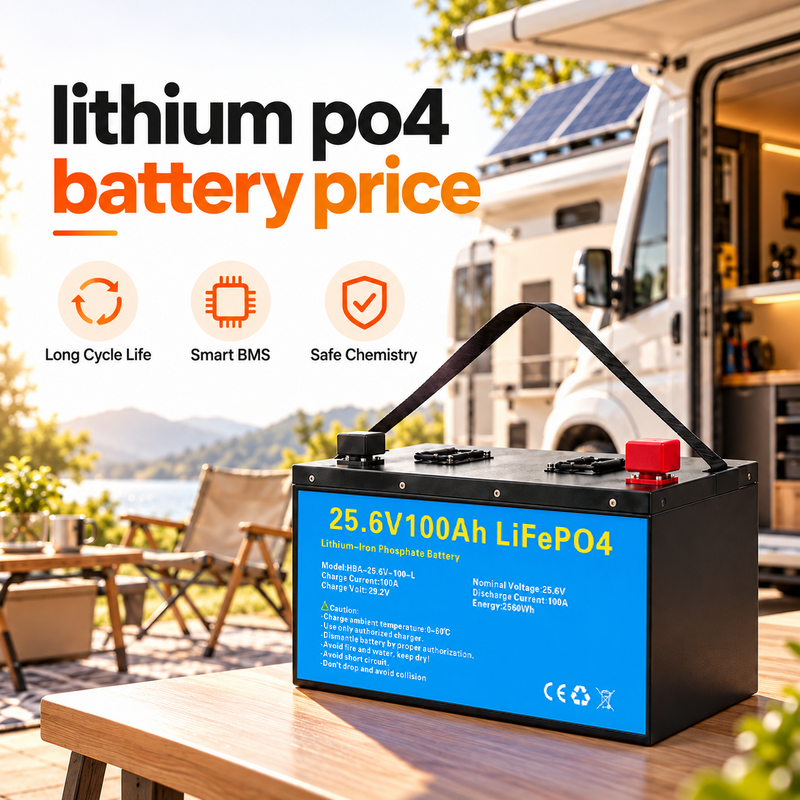
Lithium po4 battery price

Lithium iron phosphate (LiFePO4) batteries are increasingly popular for a variety of applications, including energy storage systems, electric vehicles, and backup power solutions. Understanding the factors that influence lithium Po4 battery price is essential for purchasing managers and distributors looking to make informed decisions. This article will provide insights into pricing factors, specifications, sourcing options, installation challenges, and key applications relevant to lithium Po4 batteries. 

Top Specifications to Compare When Sourcing Lithium Po4 Batteries

Top Specifications to Compare When Sourcing Lithium Po4 Batteries

When sourcing lithium Po4 batteries, it's essential to compare several key specifications to ensure you select the right product for your application. 

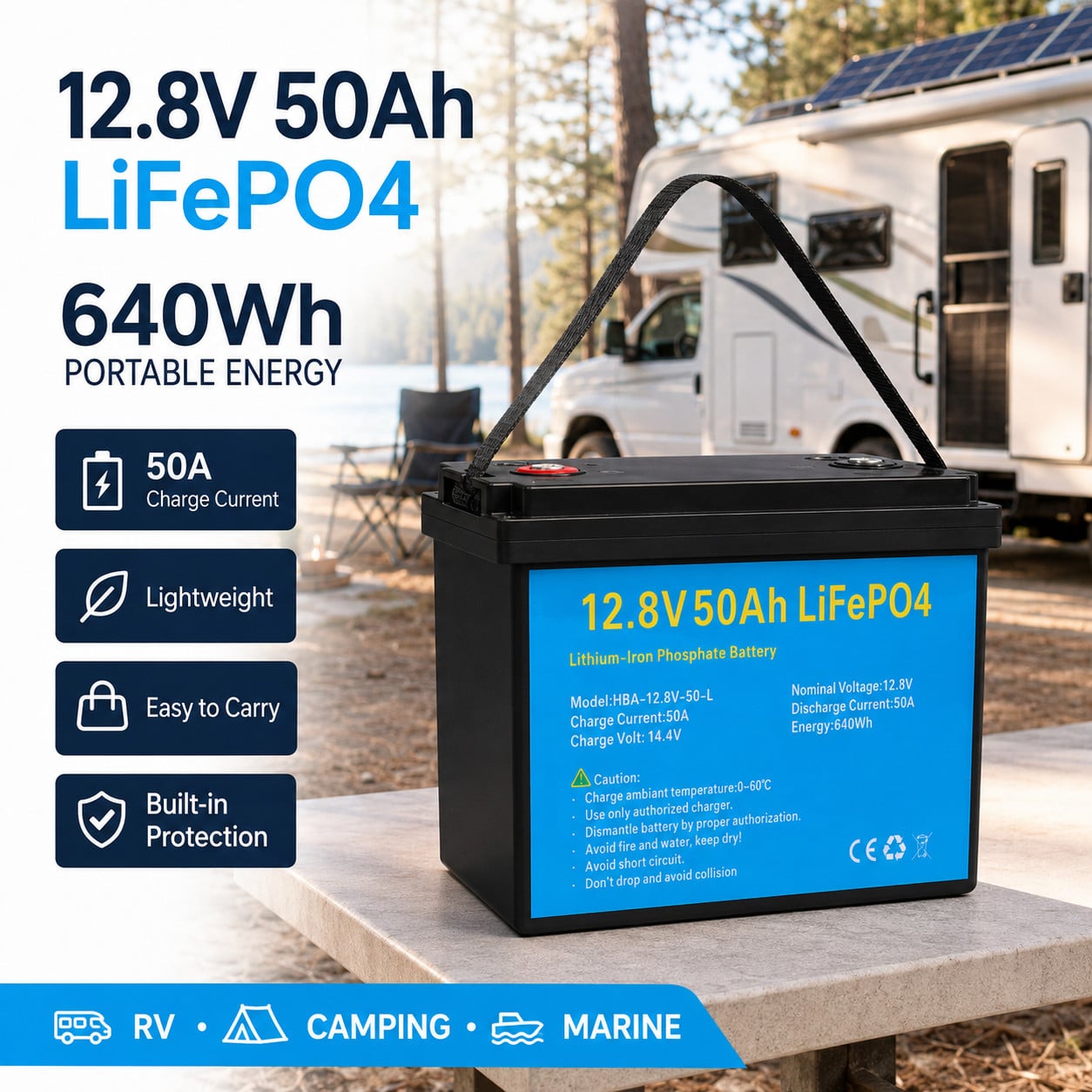
Capacity (Ah): This indicates how much energy the battery can store and directly affects its performance. Higher capacity is suited for applications with greater energy demands. 

Cycle Life: This refers to the number of complete charge and discharge cycles a battery can undergo before its capacity significantly diminishes. A longer cycle life translates to lower replacement costs over time. 

Discharge Rate (C-rate): This measures how quickly the battery can deliver its stored energy. Understanding the required discharge rate for your application can help ensure optimal performance. 

Dimensions and Weight: The physical size and weight of the battery are essential for compatibility with existing systems, especially in space-constrained applications like RVs or marine setups. 

Operating Temperature Range: Different applications may require batteries to perform under various temperature conditions. Ensuring the chosen battery can operate effectively in your environment is critical. 

BMS (Battery Management System): A robust BMS is crucial for ensuring safety and longevity, providing features like overcharge protection and thermal management. 

Where to Find Reliable Suppliers for Lithium Po4 Batteries in Bulk

Finding reliable suppliers for lithium Po4 batteries is essential for maintaining quality and ensuring timely deliveries. Start by researching manufacturers with a solid reputation in the industry. Look for those that have relevant certifications, such as UN38.3 and CE, as these indicate compliance with safety and quality standards. 

Industry trade shows and expos can be excellent venues for networking and discovering potential suppliers. Engaging with manufacturers directly allows you to ask questions about their energy storage batteries products, production capabilities, and lead times. Additionally, online platforms and marketplaces can provide access to multiple suppliers, enabling you to compare prices and specifications easily. 

It's also advisable to check customer reviews and case studies to gauge the reliability and quality of a supplier's products. Establishing a good relationship with a supplier can lead to better pricing and more flexibility in terms of customization and order volume. 

Common Installation Issues with Lithium Po4 Batteries and Solutions

When installing lithium Po4 batteries, various issues can arise that may impact performance and safety. One common challenge is ensuring proper ventilation. Lithium batteries can generate heat during operation, and inadequate ventilation can lead to overheating. To mitigate this, ensure that the installation area has sufficient airflow and consider using battery enclosures designed to manage heat dissipation. 

Another potential issue is compatibility with existing systems. Not all batteries are drop-in replacements for lead-acid batteries, and mismatches in voltage or capacity can lead to performance problems. Before installation, verify the battery specifications against system requirements to prevent operational failures. 

Additionally, improper wiring can lead to voltage drops or increased resistance, affecting performance. Always follow installation guidelines and consider consulting with an experienced technician to ensure correct wiring practices. 

Key Applications of Lithium Po4 Batteries in Various Industries

Lithium Po4 batteries are versatile and find applications across multiple industries. 

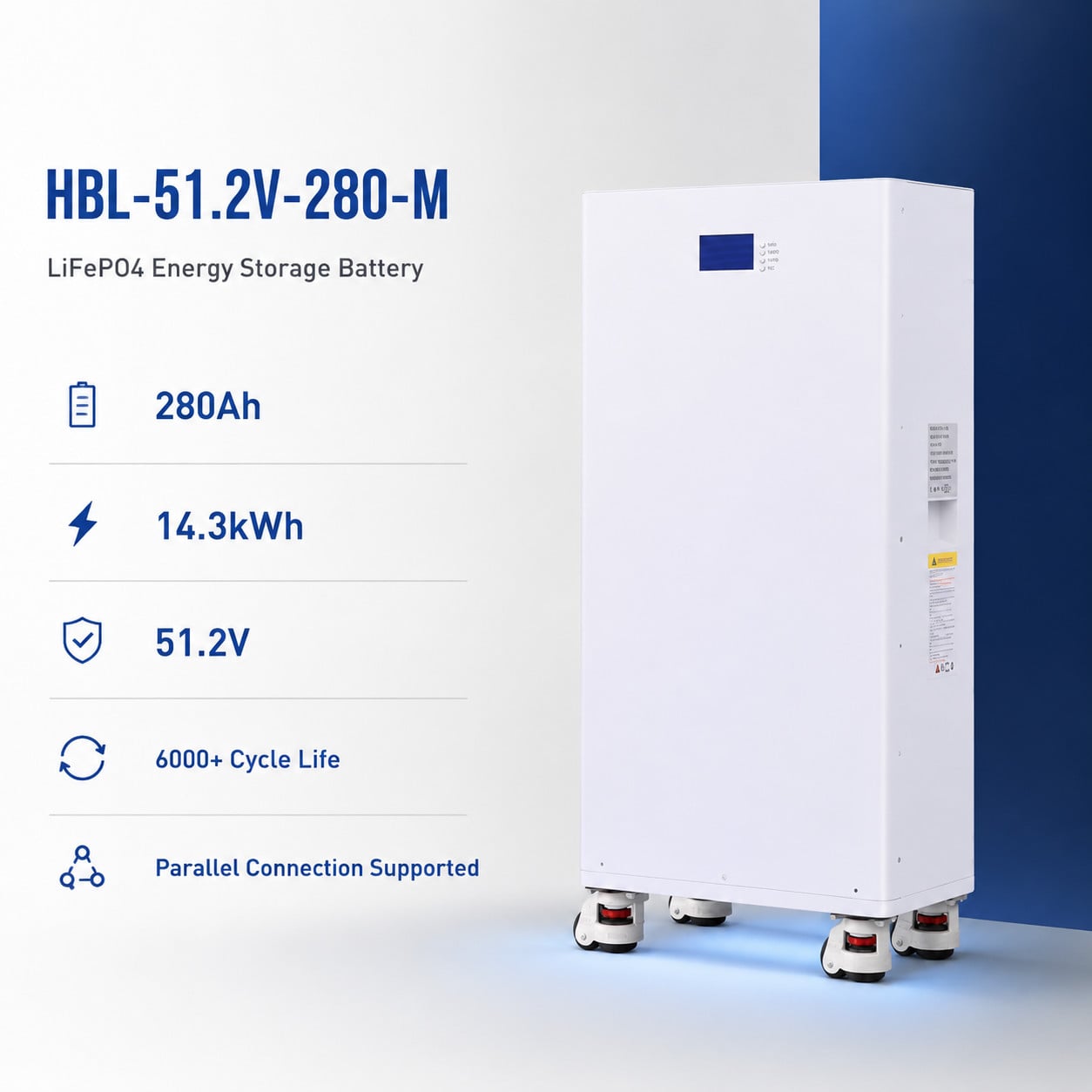
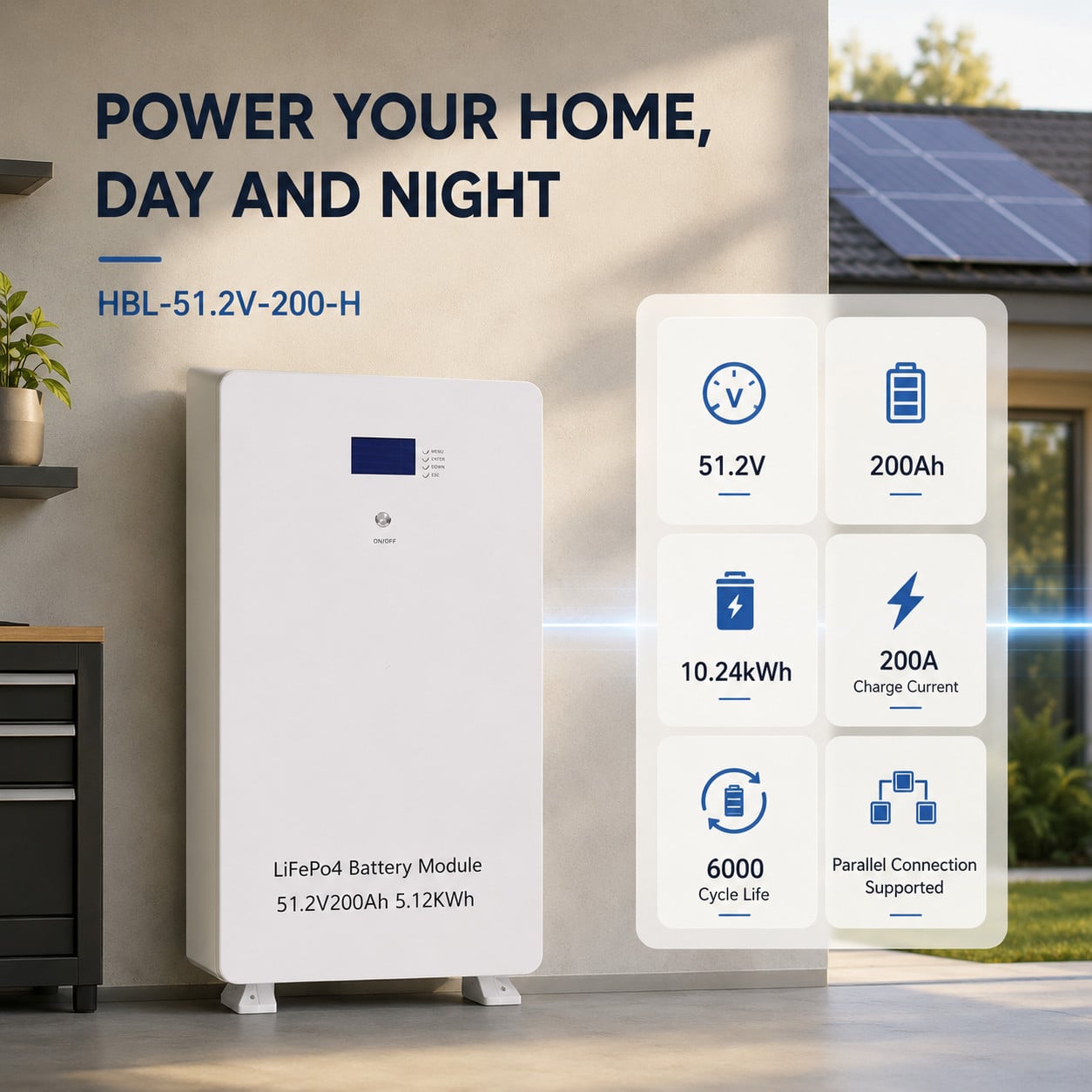
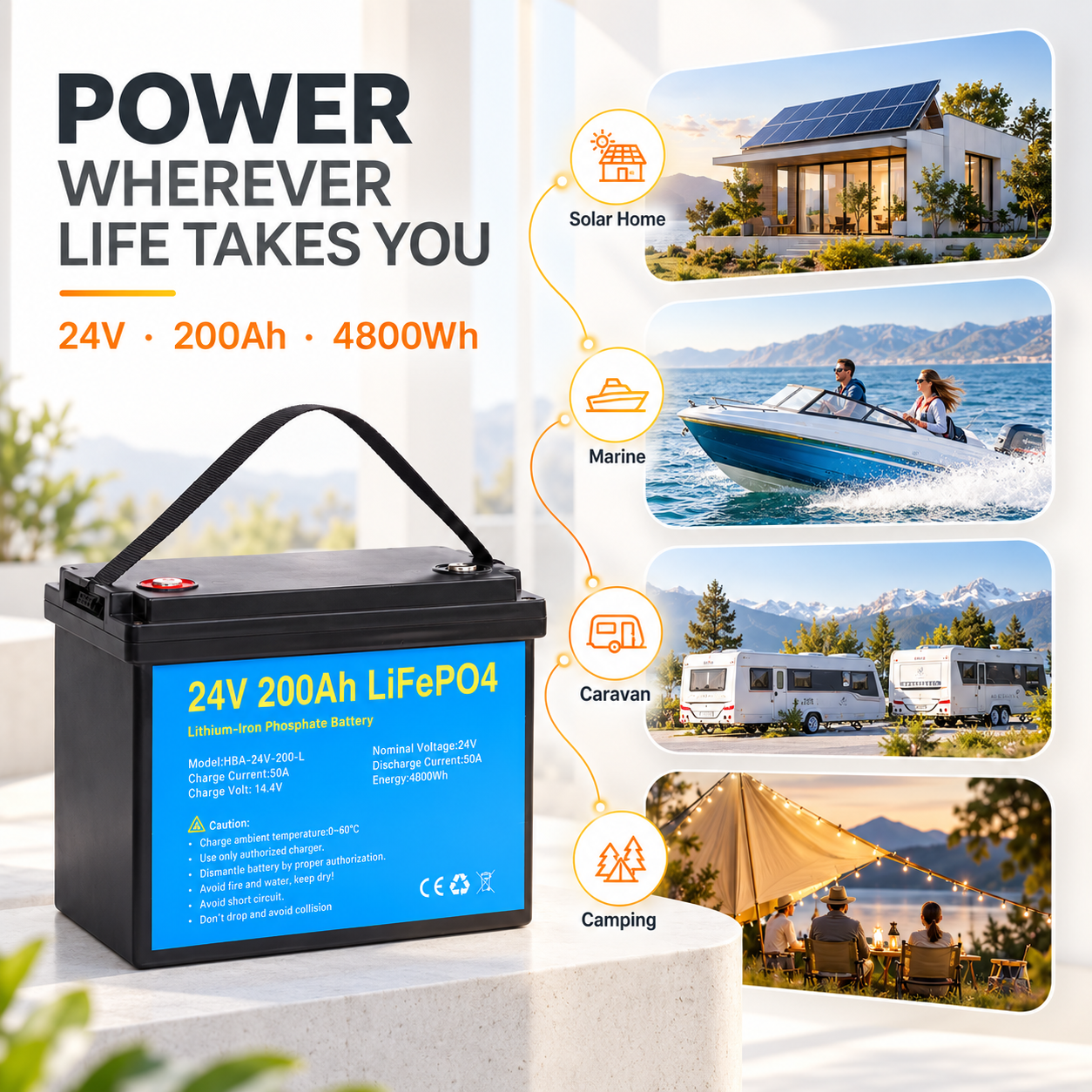
Renewable Energy Storage: In solar energy systems, LiFePO4 batteries are used for energy storage, allowing users to store excess energy generated during peak sunlight hours for use during non-productive periods. 

Electric Vehicles (EVs): The automotive industry increasingly relies on lithium Po4 batteries due to their safety, thermal stability, and longevity. They provide a reliable power source for electric cars, enhancing performance and safety. 

Backup Power Systems: In critical applications like uninterruptible power supplies (UPS) and telecommunications, these lithium battery for solar energy storage serve as reliable backup power sources, ensuring operations continue during outages. 

Marine Applications: Lithium Po4 batteries are gaining traction in marine environments due to their lightweight nature and ability to withstand harsh conditions, making them ideal for powering boats and other watercraft. 

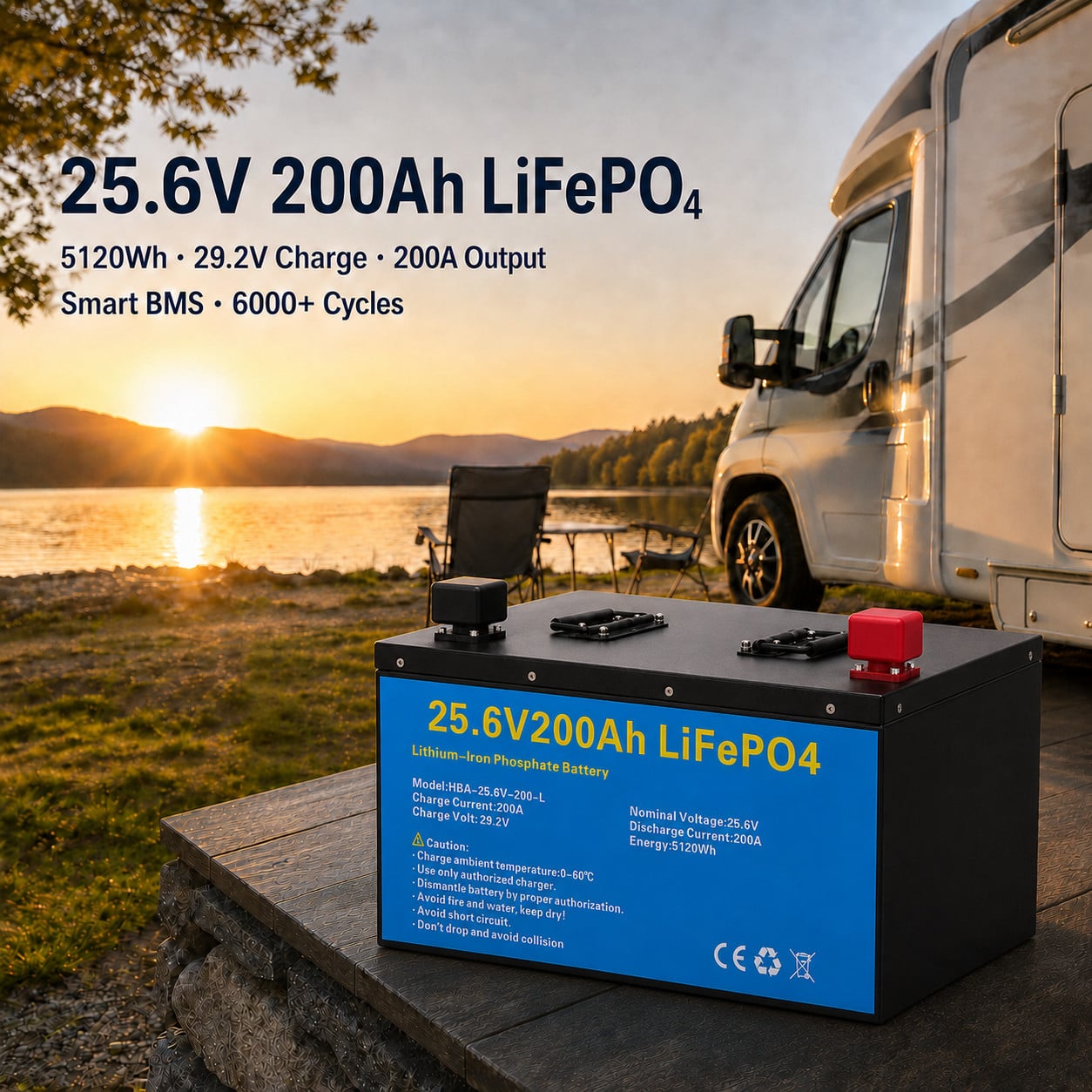
RV and Off-Grid Applications: For recreational vehicles and off-grid living, lithium Po4 batteries provide a compact, efficient energy source, enabling longer usage times with less weight compared to traditional batteries. 

In every application, understanding the specific requirements and suitable specifications will help ensure optimal performance and longevity of the battery system.  

By considering these factors and insights, B2B buyers can make informed decisions when sourcing lithium Po4 batteries, aligning their choices with their operational needs and budget constraints.  

What Factors Influence Lithium Po4 Battery Prices for Wholesale Buyers?

Several factors can impact the price of lithium Po4 batteries, especially for wholesale buyers. One significant aspect is the cost of raw materials, such as lithium, iron, and phosphate, which can fluctuate based on market demand and availability. Additionally, production methods and technological advancements can affect pricing; for instance, the efficiency of the manufacturing process can lead to cost savings, which may be reflected in the final price. 

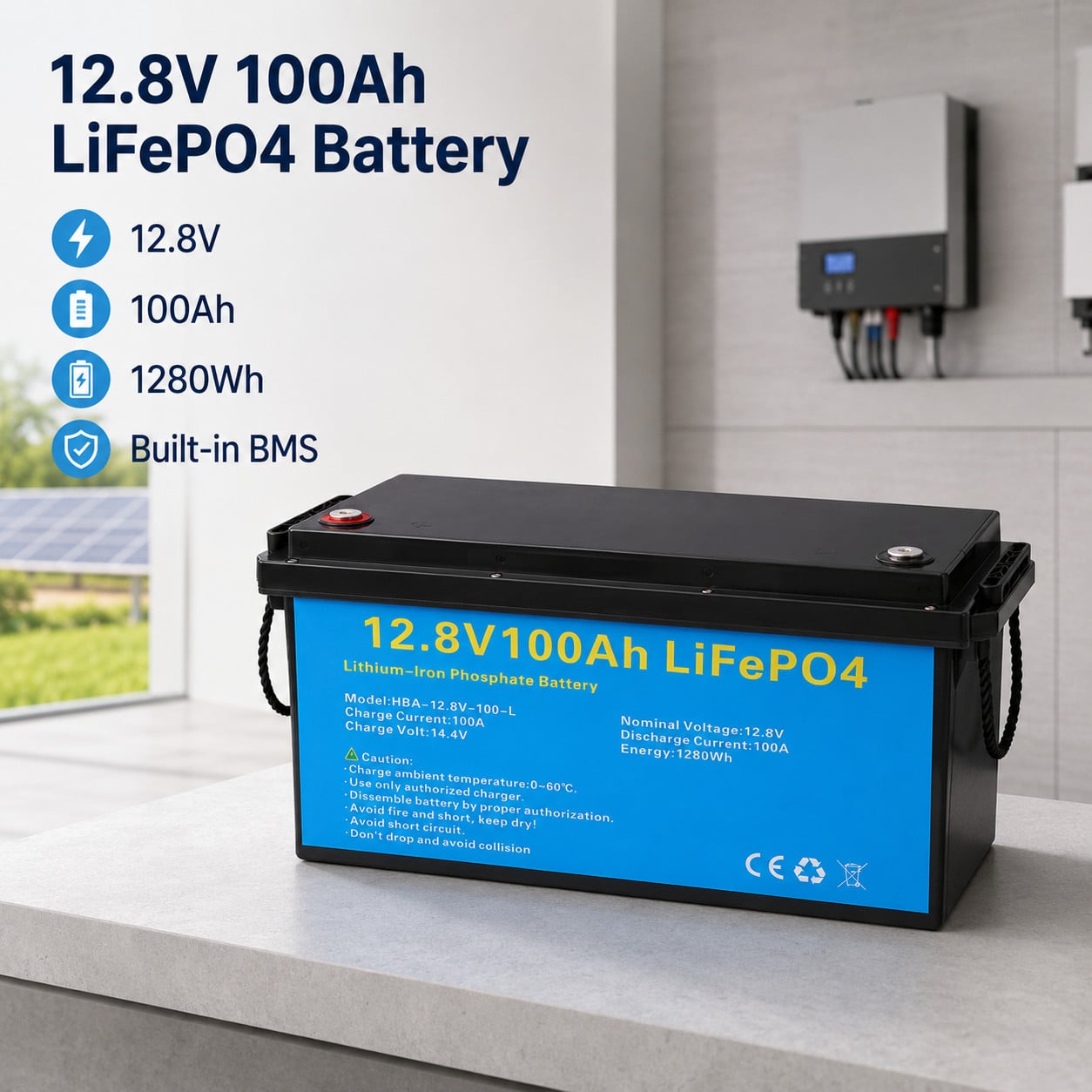
Another factor to consider is the battery's specifications, such as capacity, cycle life, and discharge rates. Higher-capacity 48v 30ah lithium ion battery or those with longer cycle lives typically command a higher price. Certifications, like UN38.3 and CE, also play a role; while they may increase initial costs, they assure compliance with safety and quality standards, which can be crucial for end-users. 

Lastly, the order volume can influence pricing. Manufacturers often offer discounts for bulk orders, making it vital for buyers to specify their needs clearly to receive accurate quotes. 

Get a Free Quote

Our representative will contact you soon.
0/1000