Choosing Solar Power Storage Batteries for B2B Needs

5,000+ units ready stock, 1–5 days fast global delivery

application/solar-power-storage-batteries, application/solar-power-storage-batteries, 
Inquiry
Inquiry

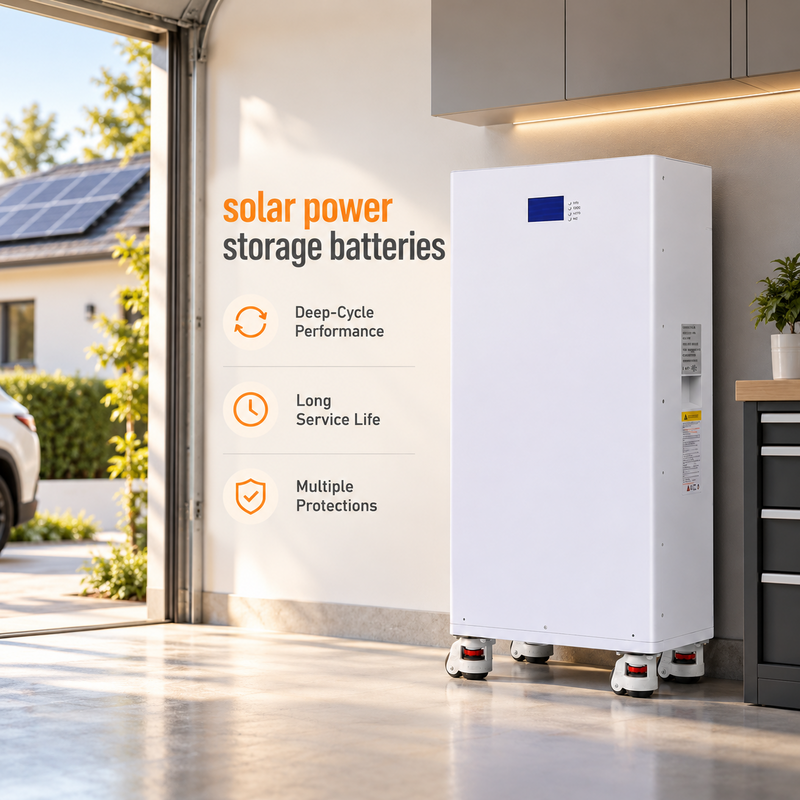
Solar power storage batteries

In the growing landscape of renewable energy, solar power storage batteries play a crucial role in optimizing energy usage and ensuring reliable power supply. These batteries, particularly LiFePO4 (lithium iron phosphate) types, are essential for applications in residential storage, RVs, UPS systems, and marine uses. As a purchase manager or distributor, understanding how to select and evaluate these battery storage system is critical to meet your customers' needs. This article will guide you through key considerations when choosing solar power storage batteries, how to compare options for bulk orders, identifying reliable suppliers, understanding cost factors, and exploring applications of solar power storage batteries across various industries. 

How to Compare Solar Power Storage Batteries for Bulk Orders

How to Compare Solar Power Storage Batteries for Bulk Orders

When evaluating solar power storage batteries for bulk purchases, it's essential to establish a systematic comparison framework. Start by gathering specifications from multiple suppliers to ensure consistency. 

Technical Specifications Comparison: Create a comparison chart that includes key specifications such as capacity, dimensions, weight, and BMS features. This will help identify which batteries meet your operational requirements without overspending on features that may not be necessary. 

Lead Times and Minimum Order Quantities (MOQ): Different suppliers may have varying lead times and MOQs. Assess their production capacities and timelines to ensure they can meet your demand without delays. This information is crucial for planning inventory and avoiding stockouts. 

Customization Options: If your application requires specific dimensions or configurations, inquire about customization capabilities. Many suppliers offer tailored solutions that can better fit your project specifications. 

Pricing Structure: Analyze the pricing models, including volume discounts, shipping costs, and payment terms. This will help in understanding the total cost of ownership rather than just the initial purchase price. 

Reliable Suppliers for Wholesale Solar Power Storage Batteries

Finding reliable suppliers is essential to ensure consistent quality and performance. Start by researching manufacturers with a proven track record in the industry. 

Reputation and Reviews: Look for suppliers with positive customer feedback and testimonials. Check industry forums and professional networks to gauge their reputation. 

Certifications and Compliance: Verify that the suppliers hold relevant certifications that ensure product quality and safety. For instance, UN38.3 and CE certifications indicate that the batteries meet international safety and performance standards. 

Technical Support and Service: A supplier that offers robust technical support can assist you in troubleshooting and optimizing battery performance. Assess their responsiveness and the availability of additional services, such as installation guidance and after-sales support. 

Experience in Export Markets: If you operate internationally, consider suppliers with experience in your target markets. They should understand regional regulations and customs requirements, ensuring smooth transactions. 

Cost Factors in Sourcing Solar Power Storage Batteries

Understanding the cost factors associated with sourcing solar power storage batteries can help you make informed purchasing decisions. 

Material Costs: The raw materials used in battery manufacturing, such as lithium and iron, can influence overall pricing. Fluctuations in these material costs may impact your purchase price, so it's wise to stay informed about market trends. 

Manufacturing Complexity: The complexity of the manufacturing process also plays a role in the final cost. Batteries that require advanced technology, such as sophisticated BMS or unique design features, may carry a higher price tag. Evaluate whether these features align with your specific needs to avoid unnecessary expenditures. 

Shipping and Handling Costs: Factor in shipping costs, which can vary based on the battery weight, dimensions, and destination. Additionally, consider any customs duties or taxes applicable to your purchase. 

Long-Term Value: While upfront costs are important, consider the long-term value of the batteries, including cycle life and warranty. Investing in higher-quality batteries may yield better performance and lower total costs over time. 

Applications of Solar Power Storage Batteries in Various Industries

Solar power storage batteries find applications across multiple industries, showcasing their versatility and effectiveness in energy management. 

Residential Storage: Homeowners are increasingly adopting solar power systems with storage batteries to optimize energy consumption and reduce reliance on the grid. LiFePO4 batteries are particularly favored for their safety and longevity. 

Recreational Vehicles (RVs): In the RV sector, solar power storage batteries provide reliable energy for appliances and systems when off-grid. Their lightweight design and ability to withstand varying temperatures are critical for mobile applications. 

Uninterruptible Power Supply (UPS): Businesses utilize solar power storage batteries in UPS systems to ensure continuous power supply during outages. The quick response time and reliability of 48 volt lithium battery make them ideal for this application. 

Marine Applications: In the marine industry, these batteries are used to power boats and yachts, where weight and space are crucial factors. Their resilience against harsh marine environments enhances their suitability for such applications. 

By understanding these applications, B2B buyers can better align their purchasing decisions with specific industry needs, ensuring optimal performance and satisfaction for end-users. 

Investing in solar power storage batteries from a reputable supplier like Shenzhen Yanshuosheng Technology Co., Ltd., which specializes in LiFePO4 energy storage systems, can provide the reliability and efficiency needed for diverse applications.   

What to Consider When Choosing Solar Power Storage Batteries

When selecting solar power storage batteries, several factors significantly influence their performance and suitability for specific applications. One of the primary considerations is the battery type, with LiFePO4 batteries being popular due to their safety, stability, and longer lifespan compared to other lithium-ion batteries. 

Capacity and Power Requirements: Evaluate the energy storage capacity (measured in kilowatt-hours, kWh) and the power output (measured in kilowatts, kW) required for your application. The capacity dictates how much energy the home solar battery system can store, while the power output indicates how much energy can be drawn at once. Ensure that these specifications align with the energy consumption patterns of the intended usage. 

Cycle Life and Warranty: The cycle life of a battery indicates how many charge and discharge cycles it can undergo before its capacity significantly diminishes. A longer cycle life translates to lower replacement costs over time. Additionally, review the warranty terms offered by the manufacturer, as they reflect the confidence in the product’s longevity. 

Safety Features: Look for batteries with built-in Battery Management Systems (BMS) that monitor charging and discharging processes, ensuring safety and efficiency. Certifications such as UN38.3 and CE can indicate adherence to safety standards, reducing risks associated with battery operation. 

Get a Free Quote

Our representative will contact you soon.
0/1000