Key Specifications for Commercial Solar Battery Systems

5,000+ units ready stock, 1–5 days fast global delivery

application/commercial-solar-battery-storage-systems, application/commercial-solar-battery-storage-systems, 
Inquiry
application/commercial-solar-battery-storage-systems, application/commercial-solar-battery-storage-systems, 
Inquiry

Commercial solar battery storage systems

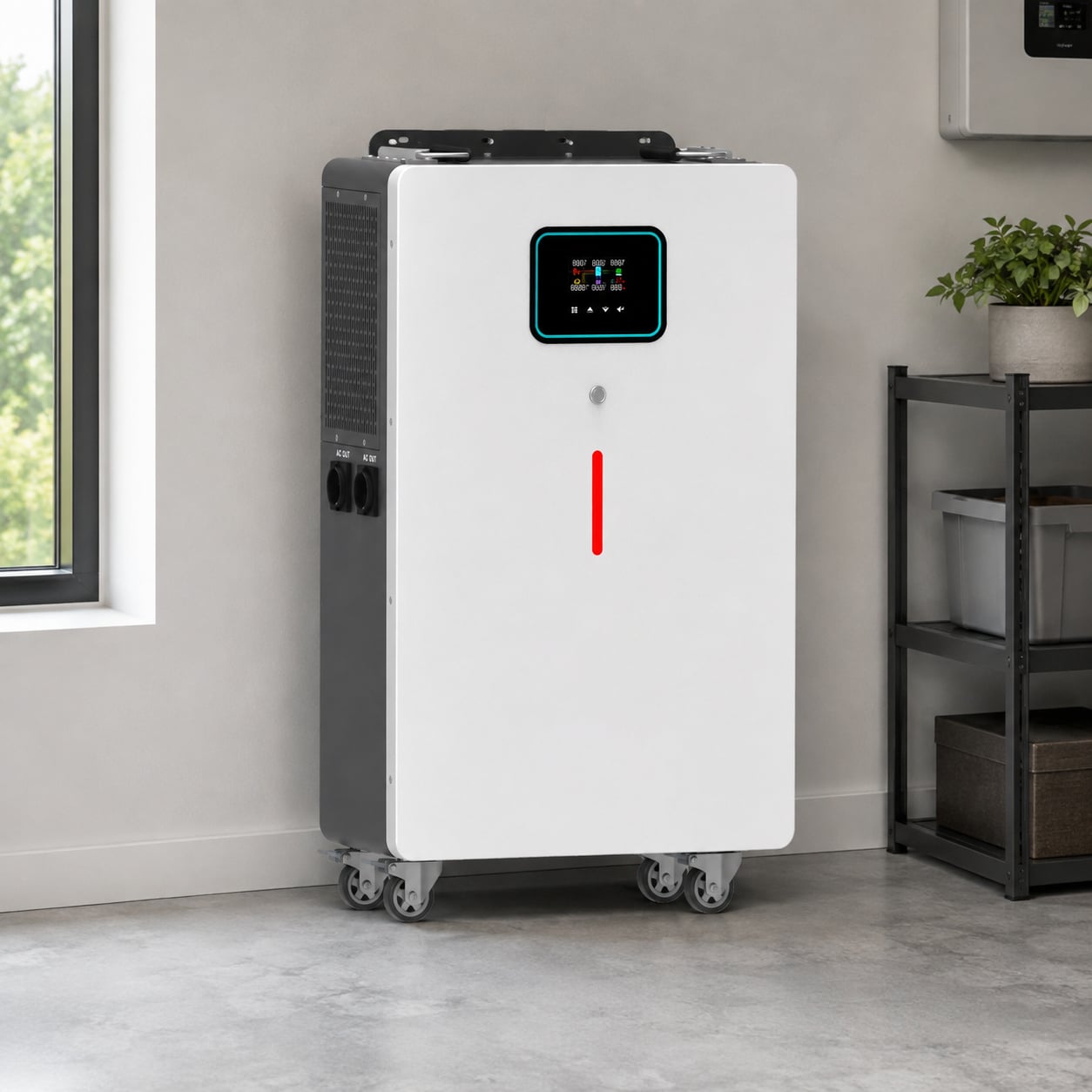
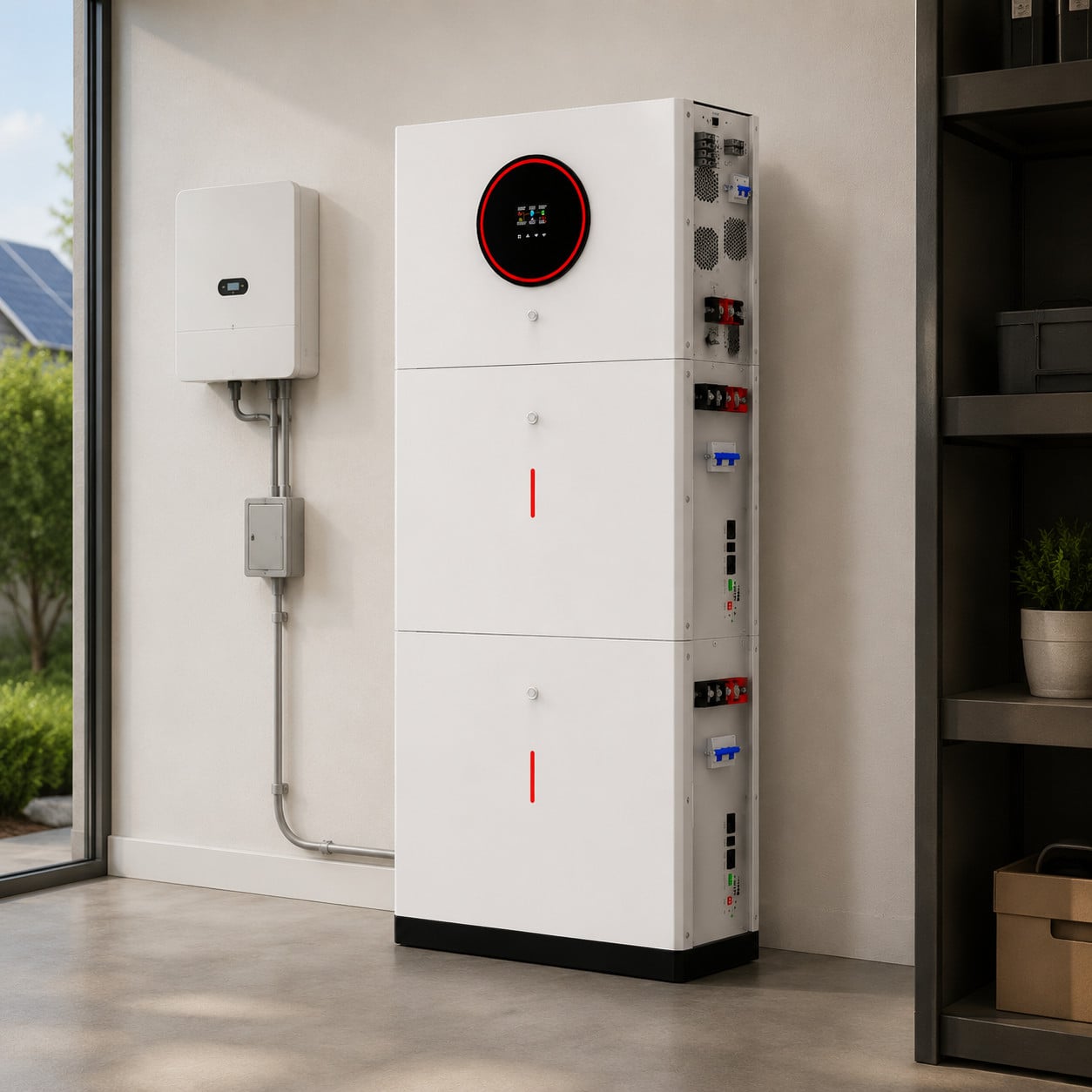
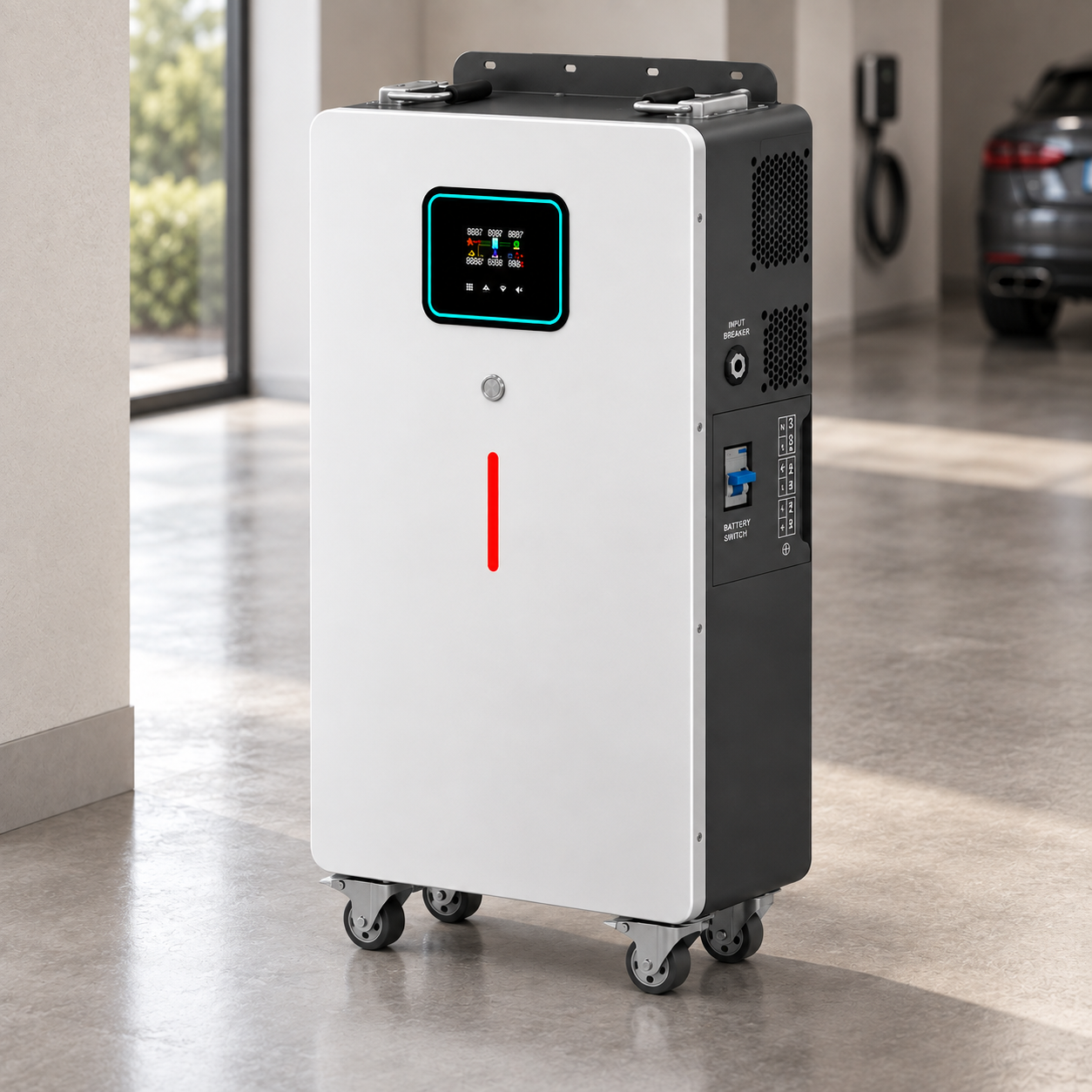
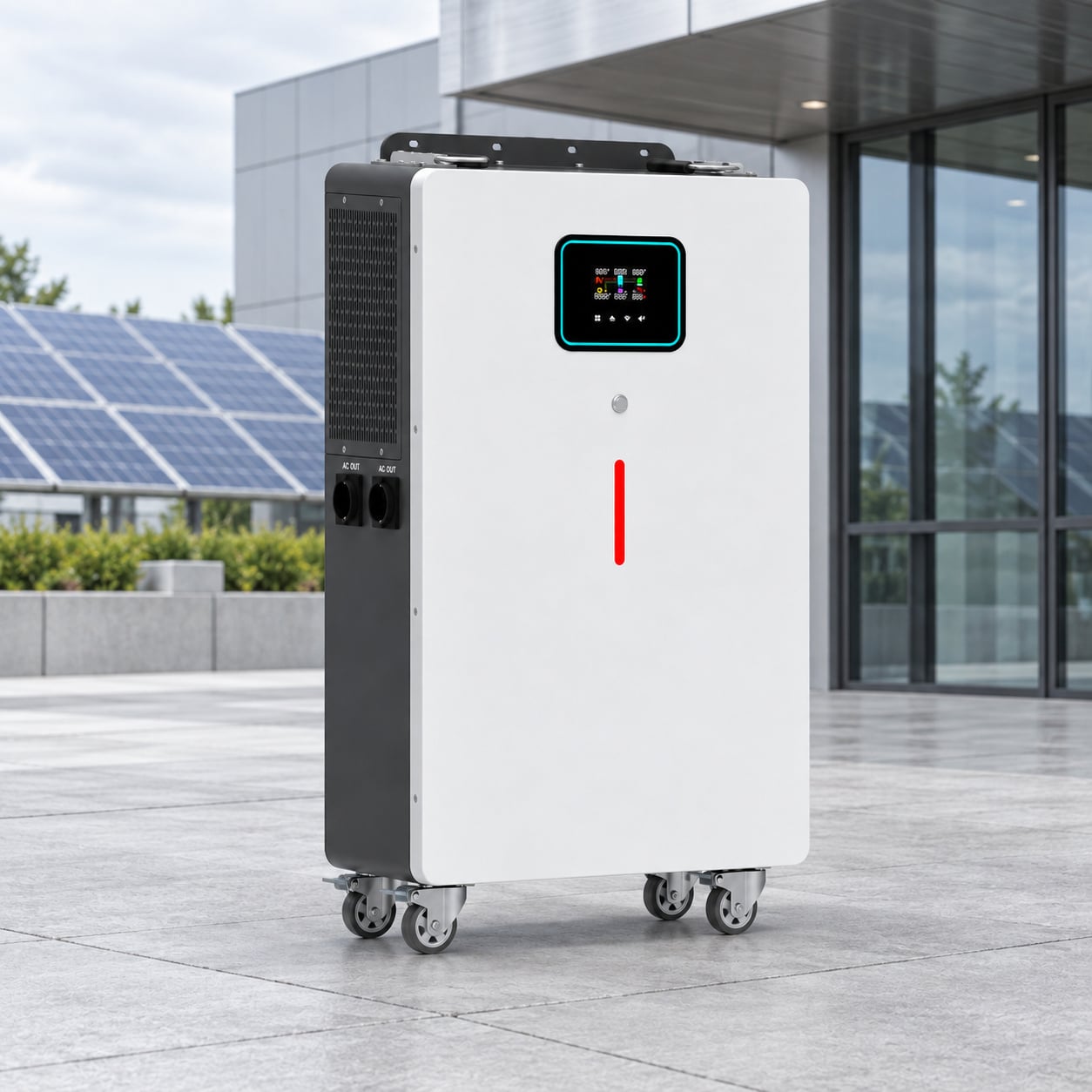
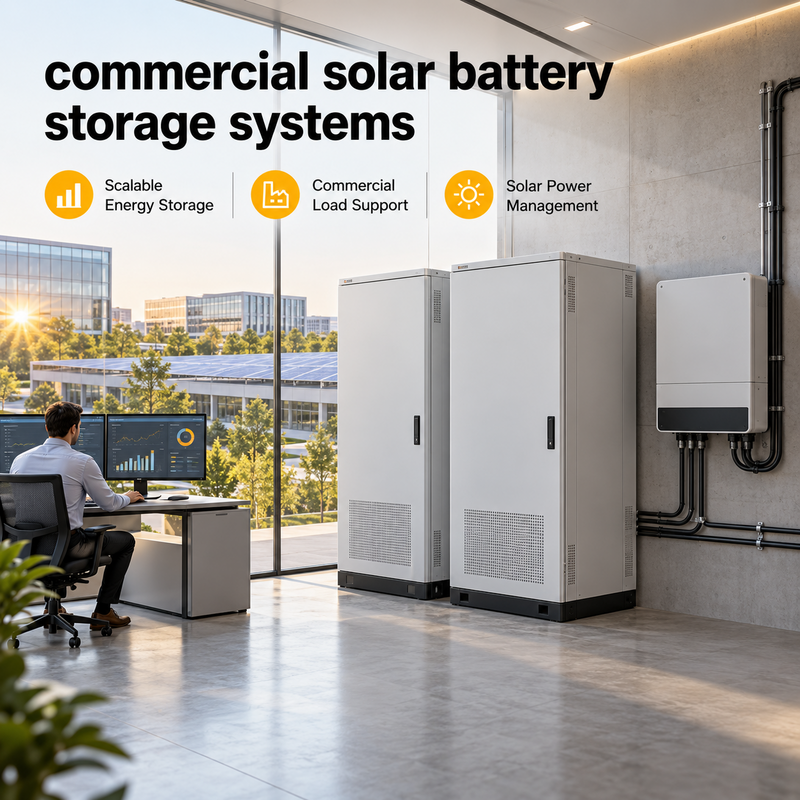
Commercial solar battery storage systems are essential components for businesses looking to optimize their energy management and reduce operational costs. These battery storage system store surplus energy generated from solar panels, allowing companies to use that energy during peak demand times or when solar generation is low. However, purchasing these systems involves various concerns, including reliability, performance specifications, and installation requirements. This article will provide insights into key specifications, sourcing solar battery suppliers, cost factors, battery installation guidance, and quality evaluations to help you make informed decisions. 

Where to Source Reliable Wholesale Solar Battery Suppliers

Where to Source Reliable Wholesale Solar Battery Suppliers

Sourcing reliable wholesale solar battery suppliers involves research and evaluation. Consider the following steps: 

Industry Directories and Trade Shows: Utilize industry-specific directories and attend trade shows to connect with manufacturers and suppliers. This provides an opportunity to assess product quality and establish relationships. 

Online Platforms: Websites can connect you with numerous suppliers. Look for solar battery storage units vendors with good reviews, verified profiles, and a robust track record in solar battery systems. 

Request for Quotation (RFQ): Prepare detailed RFQs specifying your capacity needs, battery type, and certifications required. This helps suppliers provide accurate quotations and allows you to compare offers effectively. 

Supplier Evaluation: Evaluate suppliers based on their production capabilities, quality control processes, and customer service. Request references and case studies to gauge their reliability. 

Visit Production Facilities: If possible, visit manufacturing facilities to inspect their operations and quality assurance measures. This firsthand experience can help you assess their capabilities and commitment to quality. 

Finding a trustworthy supplier will ensure that you receive high-quality products that meet your specifications. 

Cost Factors When Purchasing Commercial Solar Battery Systems

Several factors can influence the cost of commercial solar battery storage systems: 

Battery Type and Chemistry: LiFePO4 batteries tend to have a higher upfront cost but offer better safety, lifespan, and efficiency compared to other chemistries. The initial investment must be weighed against long-term benefits. 

Capacity and Power Ratings: Larger capacity systems typically cost more. It's essential to calculate your energy needs accurately to avoid oversizing, which can lead to unnecessary expenses. 

Customization: Customizing batteries for specific applications can increase costs. Discuss any customization needs with your supplier to understand how they affect pricing. 

Installation and Shipping Costs: These can vary significantly based on location and complexity. Ensure to factor in these costs when budgeting for your solar battery system. 

Government Incentives: Investigate available subsidies or tax incentives for solar energy systems in your region, which can help offset initial costs. 

By understanding these factors, you can make more informed purchasing decisions and optimize your budget for solar home energy storage systems. 

Installation Guidance for Commercial Solar Battery Storage Systems

Proper installation is crucial for the performance and longevity of commercial solar battery storage systems. Here are some essential considerations: 

Site Assessment: Conduct a thorough assessment of the installation site, including space, ventilation, and proximity to solar panels and inverters. Ensure that the site meets all safety and regulatory requirements. 

Professional Installation: Engage experienced professionals for installation. They should understand local codes and best practices for battery storage systems. A proper installation will minimize risks and maximize system efficiency.  

Electrical Compatibility: Ensure that the electrical systems are compatible with the solar battery. This includes checking voltage levels and ensuring proper connections to inverters and other components.  

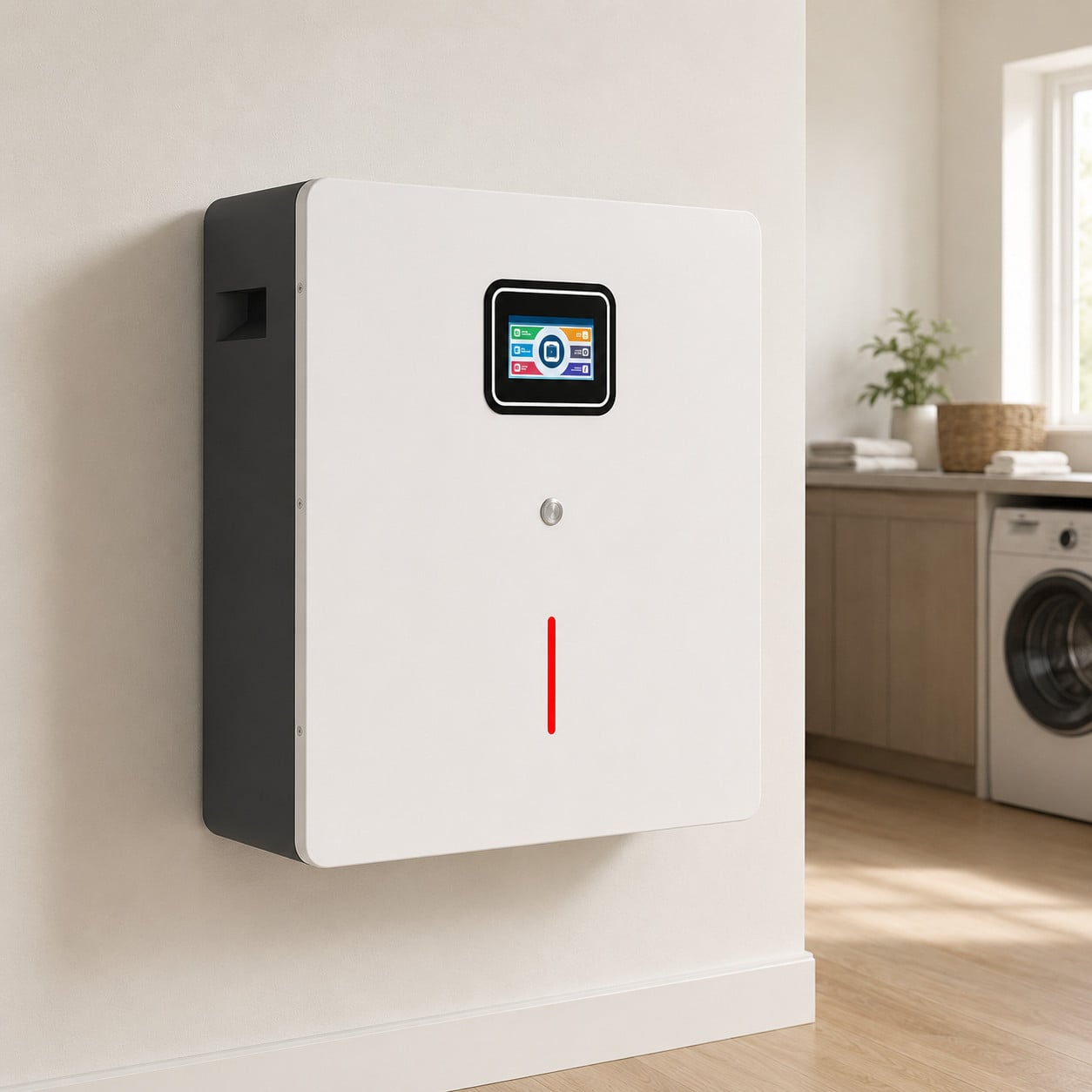
Monitoring Systems: Consider integrating monitoring systems that allow for real-time tracking of battery performance and energy usage. This can help in optimizing energy management and identifying potential issues early. 

Maintenance: Establish a maintenance schedule to inspect battery performance, connections, and any signs of wear. Regular check-ups can help prolong the life of the battery system. 

Following these guidelines will help ensure a successful installation that maximizes the benefits of your commercial solar battery storage system. 

Evaluating the Quality of Commercial Solar Battery Storage Systems

Quality evaluation is essential to ensure that the solar battery storage systems meet your operational requirements. Here are critical steps to assess quality: 

Visual Inspection: Before accepting delivery, conduct a visual inspection of the battery systems. Look for any physical damage, signs of corrosion, or manufacturing defects. 

Performance Testing: If possible, conduct performance tests to ensure that the battery operates within specified parameters. This can include checking charge and discharge rates and verifying capacity. 

Quality Assurance Processes: Inquire about the manufacturer's quality control processes. A robust quality assurance system should include regular testing, inspection protocols, and adherence to industry standards. 

Feedback from Other Users: Seek reviews or testimonials from other businesses that have used the same battery systems. Their experiences can provide valuable insights into performance and reliability. 

Warranty and Support: Assess the warranty terms and after-sales support provided by the supplier. A good warranty and responsive support can be indicative of a manufacturer’s confidence in their product quality. 

By thoroughly evaluating the quality of commercial solar battery storage systems, you can ensure a reliable investment that meets your energy management needs. 

Key Specifications for Quality Solar Battery Storage Solutions

When evaluating commercial solar battery storage systems, several key specifications should be considered: 

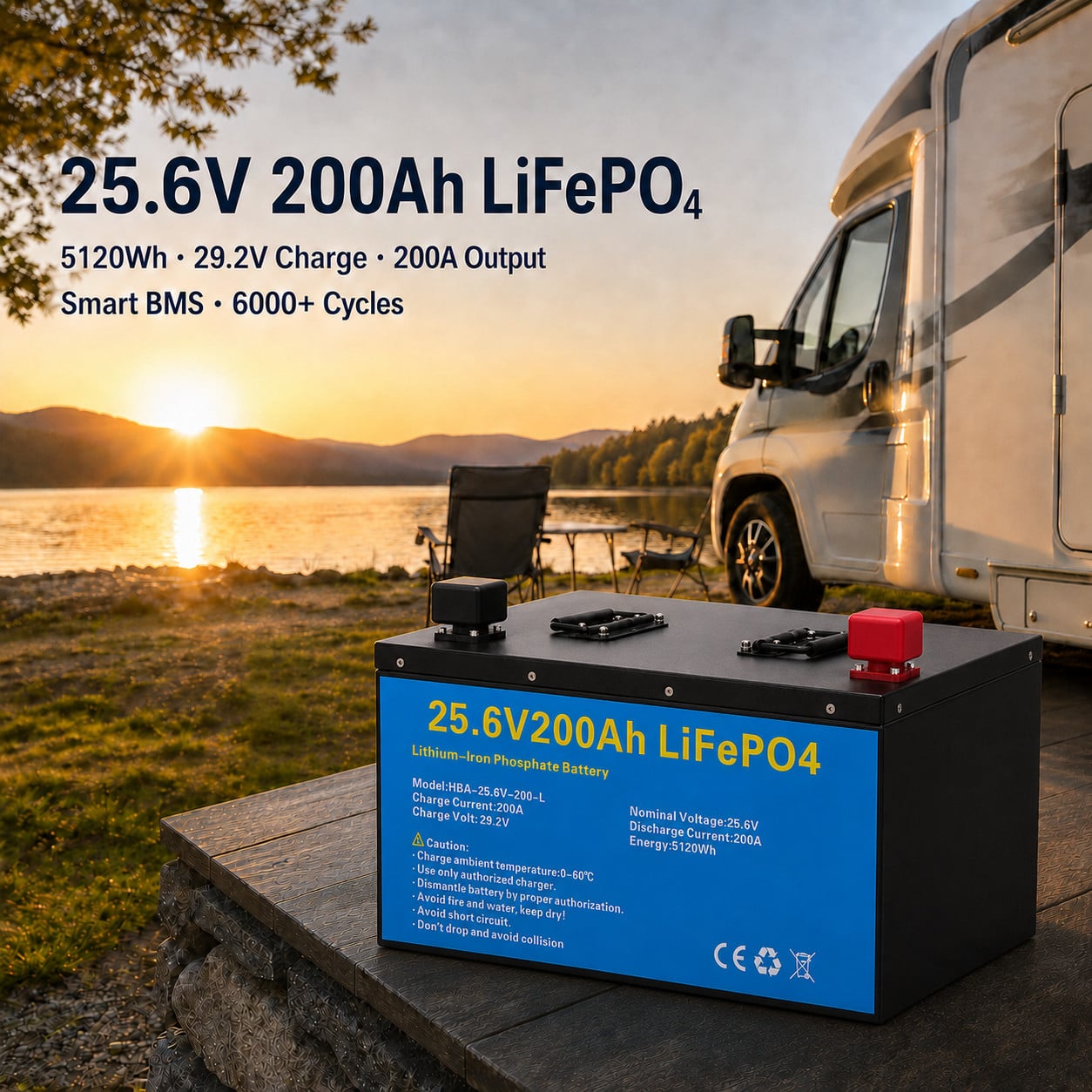
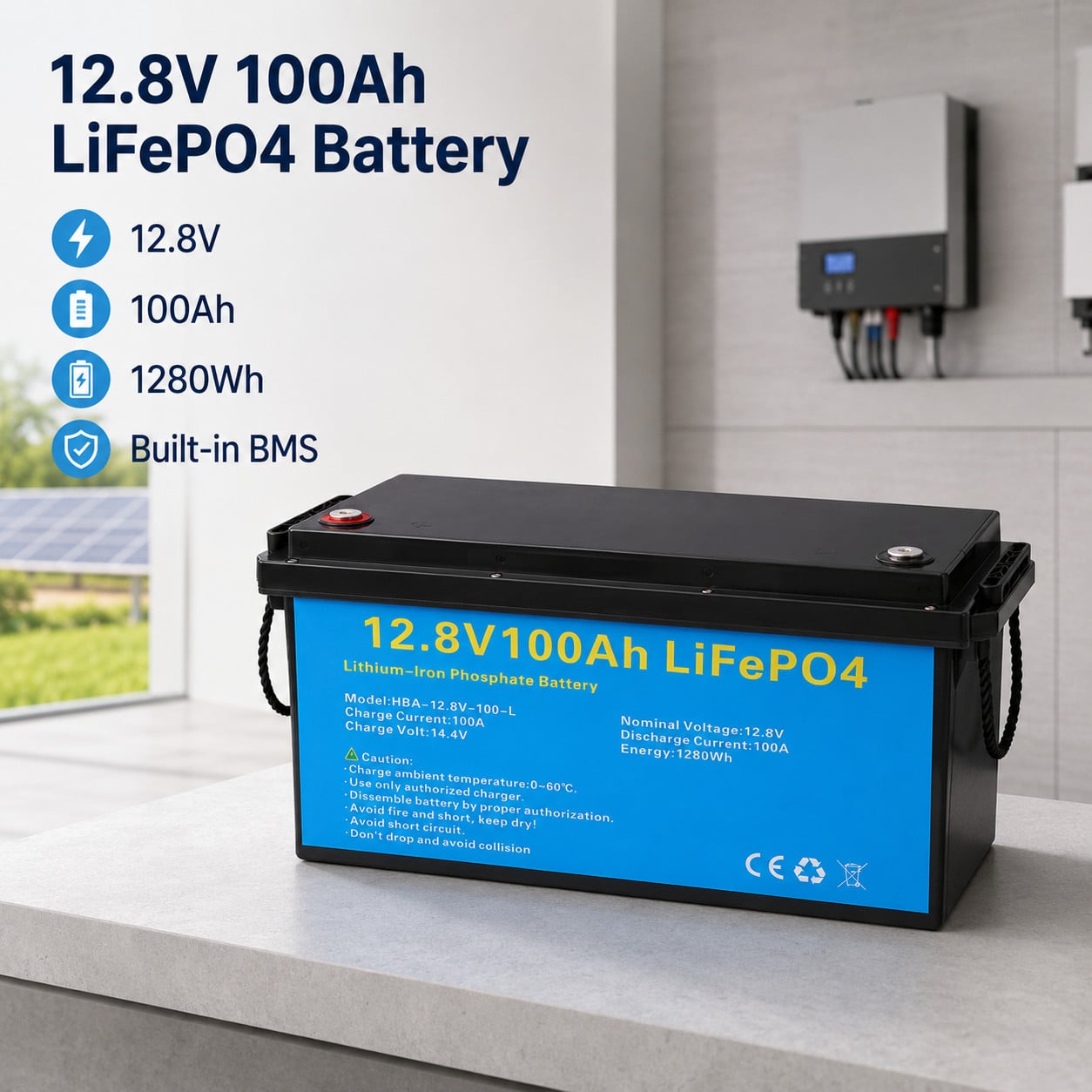
Battery Chemistry: LiFePO4 (Lithium Iron Phosphate) is a popular choice due to its thermal stability, safety, and long cycle life, making it suitable for various applications such as solar energy storage, RVs, and marine use. 

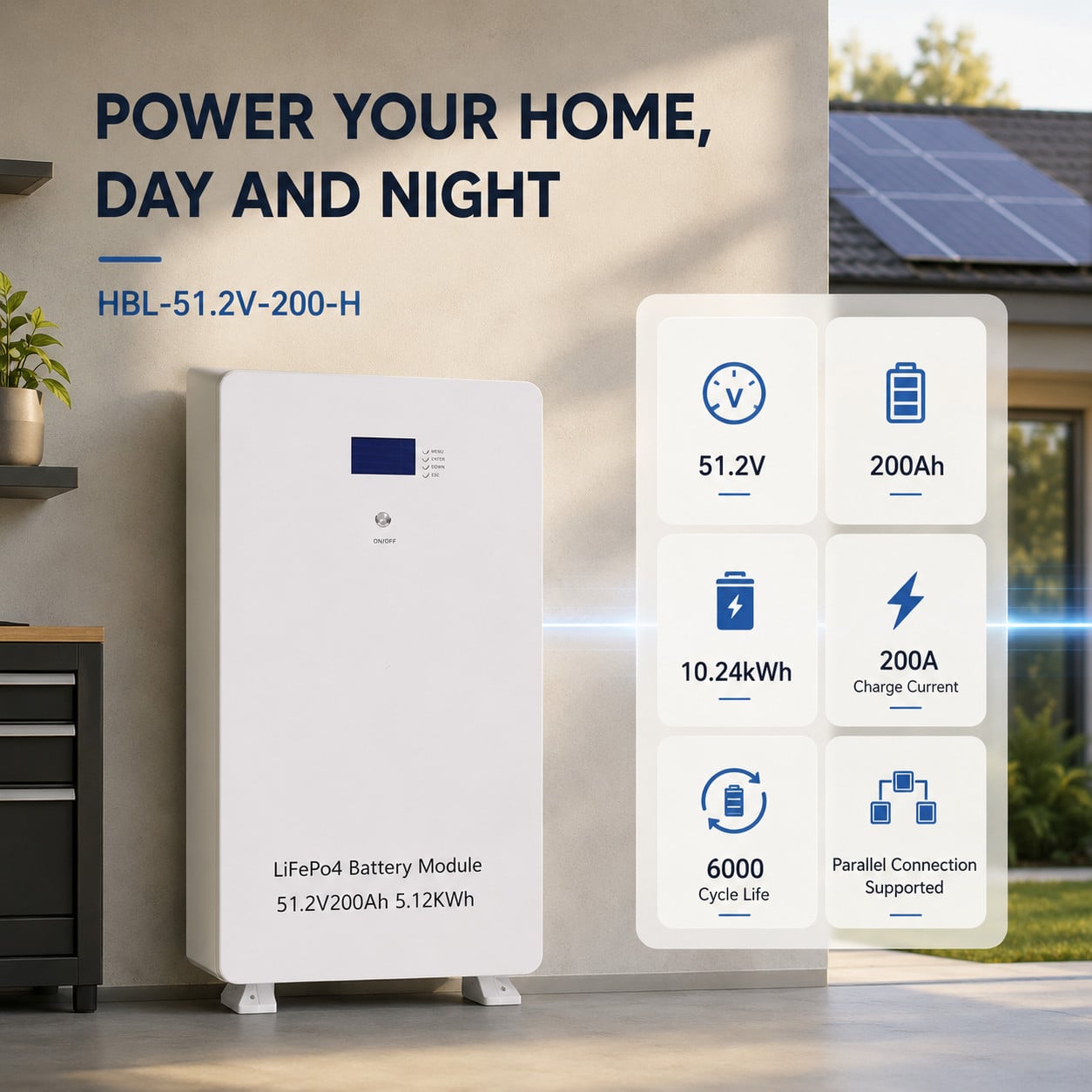
Capacity and Power Rating: These specifications indicate how much energy the battery can store (measured in kilowatt-hours, kWh) and how much power it can deliver (measured in kilowatts, kW). Buyers should assess their energy consumption patterns to determine the appropriate capacity and power requirements. 

Depth of Discharge (DoD): This indicates the percentage of the battery's capacity that can be used without damaging it. A higher DoD allows for more usable energy, which can improve the overall efficiency of the storage system. 

Cycle Life: Refers to the number of charge and discharge cycles the battery can undergo before its capacity significantly diminishes. A longer cycle life translates to a better return on investment. 

Certifications: Ensure that the battery systems have relevant certifications such as UN38.3 and CE, which indicate compliance with safety and performance standards. 

Understanding these specifications helps buyers select a battery system that meets their operational needs and ensures reliability and longevity. 

Get a Free Quote

Our representative will contact you soon.
0/1000