Wholesale Solar PV Energy Storage Solutions Guide

5,000+ units ready stock, 1–5 days fast global delivery

application/solar-pv-energy-storage, application/solar-pv-energy-storage, 
Inquiry
Inquiry

Solar pv energy storage

Solar PV energy storage systems are critical for maximizing the efficiency and reliability of solar power installations. These systems allow for the storage of excess energy generated during peak sunlight hours, enabling businesses to use that energy later when demand is higher or when sunlight is not available. As a purchasing manager or an engineer, you may be concerned about product specifications, installation, and maintenance requirements, as well as how these systems can best serve your specific applications. This article will provide insights into selecting the right solar PV energy storage solution, purchasing guidance, key specifications to consider, installation tips, and common challenges along with their solutions. 

Wholesale Purchasing Guide for Solar PV Energy Storage Systems

Wholesale Purchasing Guide for Solar PV Energy Storage Systems

When entering the wholesale market for solar PV energy storage systems, it's essential to gather comprehensive information to facilitate a successful purchase. Start by defining your project requirements, including the type of application (e. g., residential, commercial, or industrial), the required capacity, and the expected lifecycle of the product. 

Requesting quotes from multiple suppliers can provide insight into pricing structures and help identify potential volume discounts. Be sure to communicate your minimum order quantities (MOQ) and any specific customization requirements, such as packaging or labeling, during the RFQ process. 

Additionally, verify the supplier’s certifications, such as UN38.3 and CE, which indicate compliance with safety and quality standards. This verification helps ensure that the products meet regulatory requirements for your market, reducing potential delays or issues during installation. 

Key Specifications to Consider in Solar PV Energy Storage Products

Understanding the key specifications of solar PV energy storage systems is vital for making informed purchasing decisions. Here are several critical factors to consider: 

Capacity: Measured in kilowatt-hours (kWh), this indicates how much energy the system can store. Your capacity requirements should align with your energy usage patterns to maximize efficiency. 

Depth of Discharge (DoD): This specification tells you how much of the battery’s capacity can be safely used without damaging it. A higher DoD allows for more usable energy, which can be crucial for operations that require consistent power. 

Efficiency: Look for systems with high round-trip efficiency, which measures how much energy is retained after charging and discharging. Higher efficiency ratings can lead to substantial cost savings over time. 

Cycle Life: This indicates how many complete charge and discharge cycles a battery can undergo before its capacity significantly diminishes. A longer cycle life translates to lower replacement costs and better long-term value. 

Temperature Range: Ensure that the home energy storage system can operate effectively in your local climate conditions. Extreme temperatures can affect performance and lifespan, so selecting a system rated for your environment is crucial. 

Installation Guidance for Solar PV Energy Storage Systems

Proper installation of solar PV energy storage systems is essential for ensuring safe and efficient operation. Begin by reviewing the manufacturer's installation guidelines and ensuring that your team or contracted professionals are trained and certified for working with electrical systems. 

Before installation, a site assessment should be conducted to determine the optimal location for the batteries and inverter. Ensure that the area is well-ventilated and free from moisture to prevent damage. Additionally, assess accessibility for maintenance and monitoring. 

During the installation process, confirm that all connections are secure and that the system is integrated properly with the existing solar setup. After installation, conduct thorough testing to verify that the system functions as intended, including monitoring performance metrics and checking for any irregularities. 

Common Challenges with Solar PV Energy Storage and Their Solutions

While solar PV energy storage systems offer numerous benefits, there are common challenges that buyers and users may encounter. Understanding these challenges and their solutions can improve your overall experience: 

Sizing Issues: Incorrectly sizing your energy storage system can lead to poor performance. To avoid this, conduct a detailed analysis of your energy usage and consult with professionals to ensure the selected system aligns with your needs. 

Battery Management: Effective management of battery charging and discharging cycles is critical to prolonging battery life. Implementing a robust battery management system (BMS) can help monitor performance and optimize usage patterns. 

Temperature Sensitivity: Batteries may perform poorly outside their specified temperature ranges. Consider investing in climate-controlled solar PV storage solutions or selecting batteries designed to operate in a wider temperature range. 

Maintenance Requirements: Regular maintenance is essential to ensure optimal performance. Establish a proactive maintenance schedule that includes routine inspections, cleaning, and software updates for any integrated systems. 

By addressing these common challenges thoughtfully, you can enhance the longevity and effectiveness of your solar PV energy storage systems. 

These insights into solar PV energy storage solutions aim to equip you with the knowledge needed to make informed purchasing decisions. By evaluating your needs, understanding key specifications, and ensuring proper installation and maintenance, you can maximize the benefits of your energy storage investment. 

Choosing the Right Solar PV Energy Storage Solution for Your Needs

When selecting a solar PV energy storage system, several factors must be considered to ensure it meets your operational requirements. First, assess your energy consumption patterns. Understanding when and how much energy your operation uses can help you determine the necessary storage capacity. 

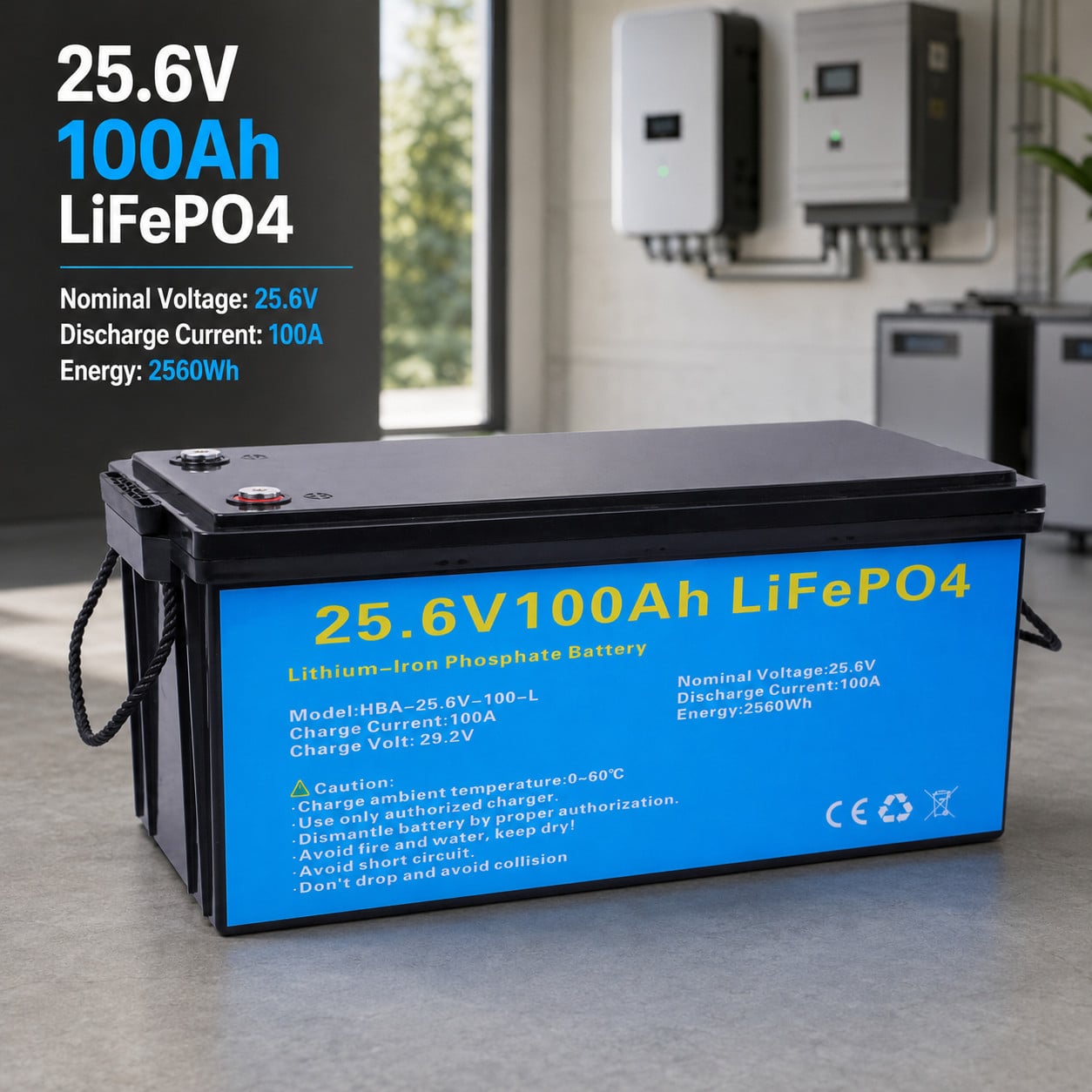
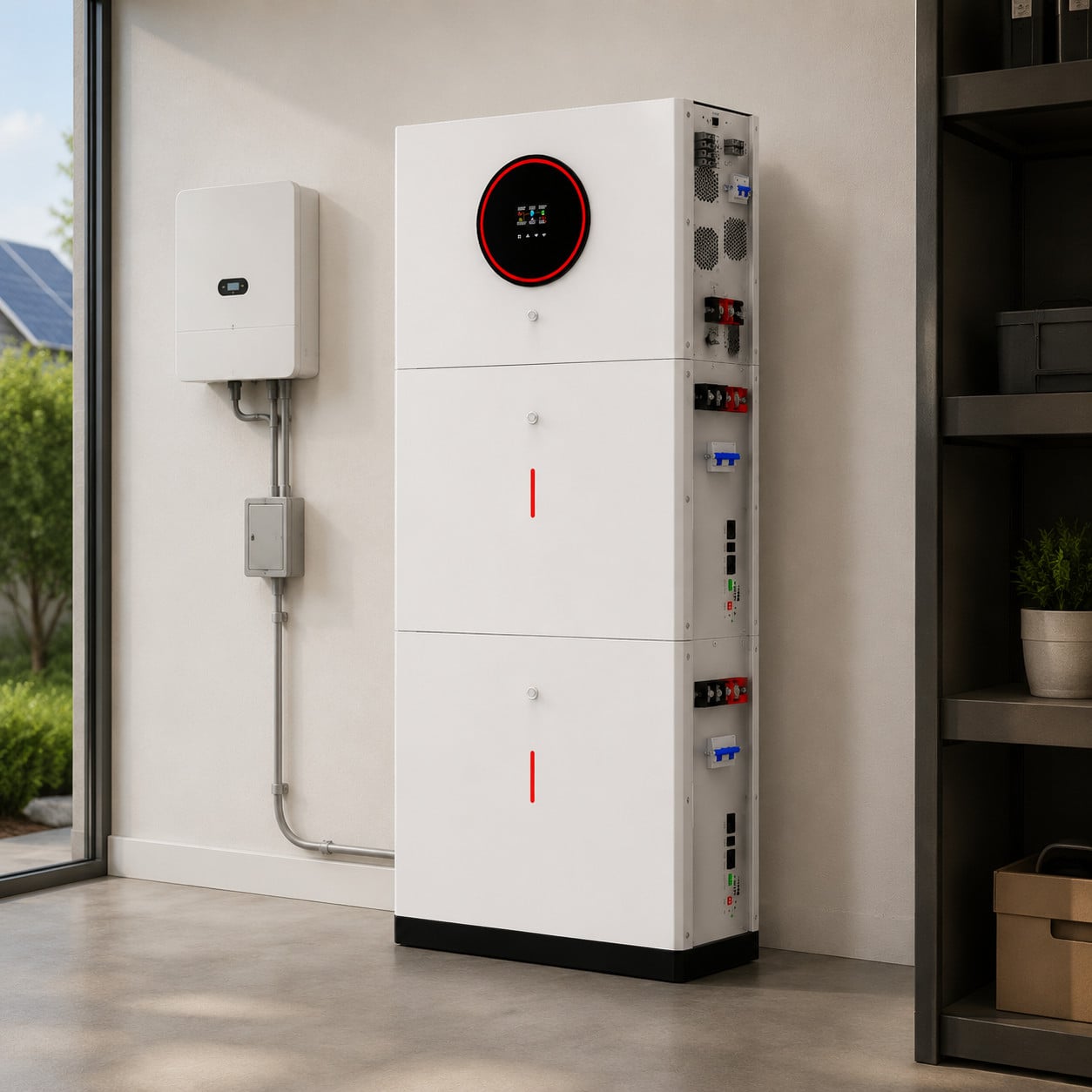
Next, evaluate the technology used in the energy storage system. Lithium Iron Phosphate (LiFePO4) batteries, for example, are renowned for their stability, long cycle life, and safety, making them an excellent choice for many industrial applications. Additionally, consider the system's compatibility with your existing solar setup. Ensure that the inverter and battery management system (BMS) can work seamlessly together to optimize performance. 

Lastly, think about scalability. As your energy needs grow or change, it’s beneficial to invest in a system that can be expanded or integrated with additional units. 

Get a Free Quote

Our representative will contact you soon.
0/1000